Languages
Wednesday, October 7, 2026



News and Views from the Global South
Global Governance

UN 80 Restructuring: No Office or Agency will be Exempted from Staff Layoffs
When billionaire Elon Musk, a former short-lived advisor to President Donald Trump, was mandated with the task of decimating the federal bureaucracy and laying off thousands of staffers, he was famously pictured carrying a hacksaw to symbolize his cost-cutting agenda.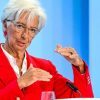
Euro-visions: A Larger Global Role for the Euro?
In a recent speech, Christine Lagarde, president of the European Central Bank (ECB), articulated a clear desire for the euro to play a more significant role as an international currency.
From Deterrence to Disarmament: Global Advocates Call for Justice and Peace
Marking 80 years since the dawn of the nuclear age, peace advocates, diplomats, educators, and atomic bomb survivors from around the world gathered for the “Choose Hope” symposium on March 12–13, 2025, in Santa Barbara, California. Co-organized by the Nuclear Age Peace Foundation (NAPF) and Soka Gakkai International (SGI), the event was held at the Music Academy of the West.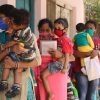
Time to Rethink Health Financing: It’s Not Just a Public Sector Concern
As G7 leaders of the world’s wealthiest nations wrapped up their summit in Kananaskis June 16, a critical issue was absent from the agenda: the future of global health financing.
The Fallout from Losing a UN Job
Ten years ago, I lost more than a job. When my post was abolished, there was no warning, no closure, no golden parachute—just a quiet erasure. Overnight, I went from a UN professional with decades of service to an invisible statistic in a system that eats its own.
Israel’s Attack on Iran and Its Potential Fallout
Israel’s attack on Iran’s nuclear facilities may be justified if one takes Netanyahu’s explanation at face value. I doubt, however, if he and Trump have fully considered the ominous regional ramifications of the attack and whether negotiations to limit Iran’s nuclear program would have led to much more positive results.
Private Sector Key to Unlocking the Future of Development
Geopolitical tensions – from deepening rivalries between major powers to regional conflicts – have placed acute pressure on the international development agenda. Development assistance from major funders has been on the decline. The world is becoming more unpredictable.
Biggest-Ever Aid Cut by G7 Members a Death Sentence for Millions of People
Aid cuts could cost millions of lives and leave girls, boys, women and men without access to enough food, water, education, health treatment. G7 countries are making deliberate and deadly choices by cutting life-saving aid, enabling atrocities, and reneging on their international commitments
‘Truth and Justice Have No Statute of Limitations; The State Must Assume Its Responsibility’
CIVICUS discusses struggles for historical justice with Graciela Montes de Oca, a member of Mothers and Relatives of Detained and Disappeared Uruguayans, a Uruguayan civil society organisation that seeks truth, justice and prevention of future crimes like those committed under dictatorship.

US Threatens UN Members Seeking a Two-State Solution to the Israeli-Palestine Conflict
The United States, a longstanding and unyielding Israeli ally, is threatening UN member states urging them to keep off an upcoming high-level meeting aimed at recognizing a two-state solution for the Israeli-Palestine conflict. The meeting, to be co-chaired by France, a permanent member of the UN Security Council, and Saudi Arabia, a strong political ally of the US, is scheduled to take place June 17-20.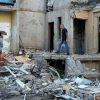
Military Conflicts at Historic High as US Signals Retreat from World Stage
The world is experiencing a surge in violence not seen since the post-World War II era. 2024 marked a grim new record: the highest number of state-based armed conflicts in over seven decades.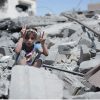
Why Are We Failing to Protect Gaza?
During President Trump’s tour of Gulf monarchies last month, he mentioned Gaza only two times. The first time was in Doha, when he expressed his desire to make Gaza a “freedom zone.” Gaza’s 2.1 million residents, nearly half of whom are children, would like that, too.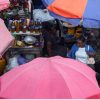
How to Spur Economic Growth in Africa’s Fragile and Conflict-Affected States
More than half of sub-Saharan Africa’s population lives in fragile and conflict-affected states (FCS)—economies that face profound challenges such as stagnant economic growth, weak institutions, inadequate public services, extreme poverty, war, and forced internal displacement.
UN vs US: the Battle for Transgender Rights
As the Trump administration continues its battle against the United Nations-- over war crimes, human rights, and the climate treaty, among others -- they also remain sharply divided over Lesbian, Gay, Bisexual, Transgender, and Intersex. (LGBTI) rights. The US has taken several actions, some by Executive Order, related to transgender people, including restricting Access to Gender-Affirming Care, banning Transgender Individuals from Military Service, rescinding Protections for Transgender Students and ending Federal Funding for gender Ideology.
Is There a Case for UN Optimism?
On April 16, Seton Hall University's School of Diplomacy and International Relations hosted UN General Assembly President Philemon Yang as part of its World Leader Forum.
Why the UN Staff Union Does Not Agree with the High Commissioner’s Expensive & Poorly-Managed Project
Like you, we attended last week’s townhall where UN High Commissioner (for Human Rights) Volker Turk presented his latest plans for moving staff out of headquarters. We note that this project has been carried out without adequate consultation with the staff union. The key points we learned and which we are concerned about:
Why the World Bank Should Lift Its Outdated Ban on Nuclear Energy
On June 10, the World Bank’s board will meet to consider lifting an outdated ban on nuclear energy – one that has remained in place for decades despite the growing global need for clean, reliable electricity.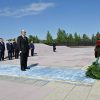
Kazakhstan’s Path From Tragedy to Tolerance: Interfaith Dialogue, Peace, and Disarmament
On the windswept steppe west of Astana, President Kassym-Jomart Tokayev led a solemn ceremony this week to mark Kazakhstan’s Day of Remembrance for the Victims of Political Repressions and Famine—an annual reflection on one of the nation’s darkest chapters.
The Africa Our Youth and Women Want
History rarely remembers those who waited quietly. In Africa, it is those who dare to act, to resist, to lead, and to dream aloud who have shaped the continent’s most defining moments.
Can East Asia Show the Way?
With two-fifths of the world economy, East Asia can inspire others by creatively responding to the US President’s tariff challenge by promoting fair, dynamic and peaceful regional cooperation.
Climate Justice Starts with a Bus Ride: A Lifeline for Delhi’s Waste Pickers
Every day, Delhi’s waste pickers walk three to four kilometers under the blazing sun, collecting and sorting the garbage that keeps India’s capital functioning. Their work is essential—yet largely invisible.« Previous Page — Next Page »





The Week with IPS

NEXT STOP - SDGs
Tracking global progress towards a sustainable world
Tracking global progress towards a sustainable world
