Languages
Monday, September 21, 2026



News and Views from the Global South
Health
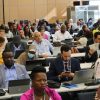
Climate and Health: Urgent Need for Adaptation Strategies in Africa
In recent years, there has been growing evidence of how climate change is impacting human health in several ways.
From Deterrence to Disarmament: Global Advocates Call for Justice and Peace
Marking 80 years since the dawn of the nuclear age, peace advocates, diplomats, educators, and atomic bomb survivors from around the world gathered for the “Choose Hope” symposium on March 12–13, 2025, in Santa Barbara, California. Co-organized by the Nuclear Age Peace Foundation (NAPF) and Soka Gakkai International (SGI), the event was held at the Music Academy of the West.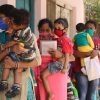
Time to Rethink Health Financing: It’s Not Just a Public Sector Concern
As G7 leaders of the world’s wealthiest nations wrapped up their summit in Kananaskis June 16, a critical issue was absent from the agenda: the future of global health financing.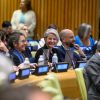
The Global Mental Health Crisis Surges Amid $200 Billion Funding Gap
Although access to mental health and psychosocial support services is considered a fundamental human right by the United Nations (UN), hundreds of millions of people experience limited or inadequate access to mental health and psychosocial support services.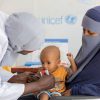
The Risk of Famine Looms Throughout Multiple Sudanese Counties
Over the course of 2025, the food security situation in Sudan has taken a considerable turn for the worst. Compounded by the Sudanese Civil War, millions of civilians face alarming levels of food insecurity and are at risk of experiencing famine. Humanitarian experts have described the situation in Sudan as being the worst hunger crisis in the world today.
Victims of Japan’s Eugenic Protection Law Sterilized and Mutilated Without Consent
Victims of Japan's costly Eugenic Protection Law took to the stage sharing their life stories, offering their tragedies of sterilization and mutilation, in return for the hopes of “a society without discrimination”. At a side event on International Sharing of the Experiences and Lessons of Japan's Former Eugenic Protection Law held on June 10th, The Conference of Parties on the Convention of the Rights of People with Disabilities Discussed the struggle for Anti eugenic ideology. Hosted by the Japan Disability Forum along with several legal defence teams for the victims, an outline of ideology, policy, and retribution was displayed, in an attempt to fight against “eugenics-based discrimination”.
‘A Wake-Up Call from the Womb’—Indigenous People Rally for a Binding Plastics Treaty
As the sun peeked through the French Riviera clouds and a dozen reporters sipped orange juice aboard the WWF Panda Boat docked at Port Lympia, Frankie Orona, a Native American rights advocate from the Society of Native Nations in San Antonio, Texas, stunned the room into a moment of absolute stillness.
Artificial Intelligence Presents Risks and Opportunities for the Disabled
On June 10, the United Nations (UN) held a conference titled Artificial Intelligence for Inclusion: Strengthening Workforce Participation for Persons with Disabilities. This conference, which was organized by the Permanent Mission of Canada to the UN, featured a discussion by a panel of experts from various sectors, looking to shed light on the ways AI tools can be used to create inclusive workforces that maximize fairness and accessibility.
Pandemic Agreement: Important Step but Big Decisions Deferred
When the next pandemic strikes, the world should be better prepared. At least, that’s the promise states made at the World Health Organization’s (WHO) World Health Assembly on 19 May when they adopted the first global pandemic treaty. This milestone in international health cooperation emerged from three years of difficult negotiations, informed by the harsh lessons learned from COVID-19’s devastating global impacts.
Older Men and Women Living Longer
Older men and women are now living longer than ever before. Across the globe, individuals who reach old age can expect to have more years of life ahead of them than in previous generations. However, these additional years of life, coupled with the disparities among and within countries, including variations between older men and women, present substantial economic, social, and political challenges for societies.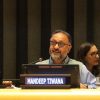
CIVICUS’ New Leader Speaks on Global Declines in Civic Freedom
On June 1, CIVICUS Global Alliance, announced the appointment of Mandeep Tiwana as its new Secretary-General. With his tenure underway, Tiwana sat down with an IPS correspondent to discuss CIVICUS’s work in promoting civic freedom and solidarity in an increasingly autonomy-restrictive world.
Hundreds of Cholera Cases Are Declared Per Day in Sudan
A particularly virulent outbreak of cholera was detected in the Khartoum State of Sudan and is a direct result of the Sudanese Civil War, warns the United Nations.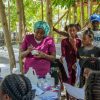
Funding Shortfalls Threaten Haiti’s Future
The humanitarian situation in Haiti has deteriorated significantly in the recent weeks as rates of violence, hunger, and displacement soar amid a severe lack of funding. As armed gangs continue to seize more territory in the capital, Port-Au-Prince, as well as in areas in the Artibonite and Centre Department, humanitarian organizations have found themselves unable to keep up with the growing scale of needs.
Unmasking Harm Reduction: Youth Demand Action on Tobacco Industry’s New Tactics
The World Health Organization (WHO) for this year’s World No Tobacco Day (May 31) has chosen the theme, “Unmasking the Appeal”, to reveal the tactics employed by the tobacco and nicotine industries to make their harmful products enticing, particularly to young people.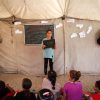
The Children of Gaza Deserve Their Humanity – Their Education Cannot Wait
22 May 2025, New York – In the past two months alone, more than 950 children have reportedly been killed in strikes across the Gaza Strip. That’s 15 children every day who lose their lives in this horrific conflict. Those who survive face the risk of famine, illness, and the collapse of essential services, including education.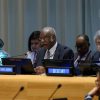
Human Life Hinges on the Preservation of Biological Diversity
Since 2000, the United Nations (UN) recognizes May 22 as the International Day for Biological Diversity, in hopes of promoting international cooperation and conversation surrounding biodiversity issues. Through the 2025 theme; Harmony With Nature and Sustainable Development, the UN seeks to increase public awareness around biodiversity loss and promote progress in the Sustainable Development Goals (SDGs).
Malnutrition Plagues Children and Pregnant Women in Afghanistan
Bibi Gul, a pregnant woman from Helmand’s Marja District, walked two hours to reach the nearest health center in search of treatment for her moderate malnutrition.
Explainer: How Germs Outsmart Antimicrobials and Why It’s Making Us Sicker
More people are dying from once treatable infections because the medicines we rely on are no longer working as they should. The culprit? A growing health threat called antimicrobial resistance (AMR).
‘Our Legal Challenge of the Funding Freeze Is Testing the Judiciary’s Ability to Check Executive Power’
CIVICUS speaks with Eric Bjornlund, President and CEO of Democracy International, about the impacts of the US foreign aid freeze and the resulting legal challenges the Trump administration is facing. Democracy International is a global civil society organisation (CSO) that works for a more peaceful and democratic world.

Health Workers in Conflict Zones Experience an Epidemic of Violence
The international community must take action to uphold international humanitarian law, say healthcare and rights advocates, as attacks on healthcare in war zones reached a record high last year.
Following COVID-19 Pandemic, Child Wellbeing Rates in Decline
Due to the lingering effects of the COVID-19 pandemic, millions of children, particularly in some of the world’s wealthiest countries, experienced declines in their overall health and academic performances.« Previous Page — Next Page »


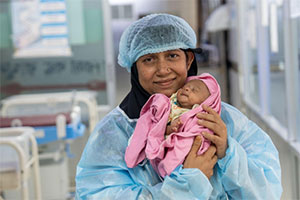 Bangladesh: Sarid, born one month early, receives specialized newborn care and grows stronger every day. Credit: UNICEF/UNI944397/Mojumder
Since the onset of the 2000s, global life expectancy has seen an overall rise, attributed to significant technological and scientific innovations in healthcare. Due to an increased understanding of different conditions as well as a rise in cooperation among healthcare experts around the world, there have been major strides made in ensuring that as few people die from chronic illnesses as possible. Despite the belief that healthcare is a fundamental human right, people from low- or middle-class backgrounds, marginalized groups, and underdeveloped countries have far more limited access to basic healthcare services.
The COVID-19 pandemic showed how marginalized communities are disproportionately affected by health crises, proving that we have much work to do in ensuring that no one dies of terminal conditions. While the global response to the coronavirus saw significant strides in immunization and vaccine development, the global outbreak of mpox in 2022 and its upsurge in parts of Africa in 2024 must remind us to remain vigilant.
Other major disease outbreaks in recent years have been linked to the destruction of infrastructure during warfare. Notably, in 2024, the Gaza Strip witnessed a return of the poliovirus since its eradication in the region 25 years ago. Israel’s blockade on Gaza has resulted in the collapse of the region’s sewage plants and desalination plants, and also destroyed healthcare capacities. The UN stated that this lack of clean water and sanitation would lead to an outbreak of cholera and other deadly infectious diseases. The 2026 OCHA Humanitarian Situation Report confirmed that the over two years of conflict in Gaza has produced a catastrophic health emergency, with millions remaining dependent on relief aid amid tight restrictions and no functioning public health system.
IPS is committed to providing full and comprehensive coverage on healthcare challenges around the world. IPS seeks to address the multifaceted causes of such challenges, including unprecedented pandemics, conflict-driven disease outbreaks, as well as socioeconomic barriers to equal healthcare access. IPS is also dedicated to reporting on innovations in the healthcare industry.

The Week with IPS

NEXT STOP - SDGs
Tracking global progress towards a sustainable world
Tracking global progress towards a sustainable world
