Languages
Wednesday, October 21, 2026



News and Views from the Global South
Humanitarian Emergencies
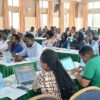
Kenya’s Shirika Plan: A New Dawn for Refugee Rights and Integration
When Jean Baremba arrived in Kenya in 2018, he looked forward to rebuilding a life shattered by war in the Eastern Democratic Republic of Congo.
How Global Fund is Saving Lives from Malaria, TB, & HIV across Africa
In Gabú, Guinea-Bissau, a grandmother named N’beta hesitated. Her six-month-old grandson, Seco, was healthy, so why give him medicine? But community health workers Jamilia and Amadu gently explained that the medicine wasn’t for illness, but for protection. It was part of a seasonal malaria chemoprevention campaign designed to protect children during the worst malaria transmission months — the rainy season.
The Rise of Islamophobia in New York’s Mayoral Elections– with the Statue of Liberty in a Burqa
The prospect of New Yorkers electing their first Muslim Mayor, come November, has ignited a rash of paranoid statements by right-wing US politicians, including Islamophobia-- the irrational fear and hatred against Islam and Muslims. Last week, a Republican politician caricatured America’s iconic Statue of Liberty wearing a burqa-- an outer garment worn by some Muslim women that covers the entire body and face. But that internet meme, spreading across social media, was deleted after protests.
Sudanese Refugees and IDPs Disproportionately Affected By Crisis
Since the wake of the Sudanese Civil War in 2023, Sudan has faced a dire humanitarian crisis that has been marked by extreme violence, widespread civilian displacement, and an overwhelming lack of basic services in relation to the massive scale of needs. The latest reports from a host of United Nations (UN) organizations shed light on the rapid deterioration of living conditions for Sudanese internally displaced persons (IDPs) and refugees.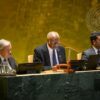
Does the UN Overstep Its Responsibility to Protect Mandate?
The UN has been criticized by some member states for overstepping the mandate of its Responsibility to Protect (R2P) doctrine during a debate in the General Assembly.
Post-Earthquake Myanmar Faces ‘Immense’ Suffering, Cannot Be Forgotten
“Myanmar cannot become a forgotten crisis,” Jorge Moreira da Silva, Executive Director of the United Nations Office for Project Services (UNOPS), has said. “This country has faced cyclones, war, conflict, violence, climate and now immense suffering.”
UN80: Alternative Reform Pathways — Fiscal Prudence, Relocation Realities, & Underutilized Charter Mechanisms
Recent proposals to relocate UN operations to lower-cost duty stations ignore demonstrable economic patterns. Empirical evidence suggests that establishing UN hubs often triggers localized inflation, negating projected savings.
The Juggling of Aid: How WFP is Delivering More with Less
Serious-to-severe food insecurity has been widely felt among those living through the worst, protracted humanitarian crises. For organizations like the World Food Programme (WFP), they must work under the “relentless demand” for humanitarian aid, including food.
Women and War: Victims of Violence and Voices of Peace
In 2023, approximately 612 million women and girls lived within 50 kilometers of a conflict zone, more than 50 percent higher than a decade ago. During war, they disproportionately suffer from gender-based and sexual violence.
The Young Nigerian Innovator Lighting Up Communities With Recycled Solar Innovation
When Stanley Anigbogu heard his name announced as the 2025 Commonwealth Young Person of the Year in London earlier in March, he could hardly believe it. He had not expected to win, especially among a pool of brilliant nominees from across the globe.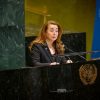
UN Drug Office Warns that Global Drug Crisis Will Intensify
Since 1989, the United Nations (UN) has recognized June 26 as the International Day Against Drug Abuse and Illicit Trafficking in an effort to raise awareness around the global drug problem and foster a more compassionate world, free of drug abuse. Through this year’s campaign, “Break the Cycle. #StopOrganizedCrime”, the UN underscores the importance of addressing the root causes of global drug abuse and illegal drug trading, and investing in reliable systems that prioritize prevention, education, and health.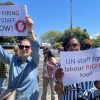
UN80: Beyond Disposable Staff Distracting Reforms Restoring UN Effectiveness
In an era defined by the gig economy and pervasive job insecurity, advocating for permanent contracts within the United Nations might seem anachronistic, even counterintuitive.
Fixing the House the World Built: A Realistic Plan for UN Reform
I’ve spent much of my life in the machinery of international development, navigating acronyms, crises, and committee rooms with stale coffee. Through it all—amid war zones, climate summits, and remote island consultations—one institution has remained constant: the United Nations.
A Crisis-Stricken UN’s Frantic Hunt for Low-Cost Locations—away from New York & Geneva
In the US, the success of a business enterprise or the value of real estate is reflected in a repetitive and alliterative phrase: “LOCATION, LOCATION, LOCATION”. As the UN continues its plans for system-wide restructuring-- amidst a growing liquidity crisis-- one of the key issues on the negotiating table is the re-location of UN agencies: a choice between high-cost and low-cost duty stations.
What the Ceasefire Between Israel and Iran Means for Israel-Palestine Conflict
The Trump administration announced on June 23 that a ceasefire agreement between Israel and Iran had been reached following 10 days of conflict between the two nations and the United States’ bombardment of three nuclear sites in Iran. The establishment of the ceasefire will return focus back to the conflict between Israel and Palestine and the ongoing humanitarian crisis.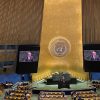
A Growing Gap between Principle and Implementation: 20 Years of Responsibility to Protect
United Nations member states this week reiterated their commitment to the prevention of genocide, war crimes, ethnic cleansing and crimes against humanity—at a time when world powers are failing to meet these obligations.
Increased Demand for Cobalt Fuels Ongoing Humanitarian Crisis in the Democratic Republic of the Congo
The demand for cobalt and other minerals is fueling a decades-long humanitarian crisis in the Democratic Republic of the Congo (DRC). In pursuit of money to support their families, Congolese laborers face abuse and life-threatening conditions working in unregulated mines.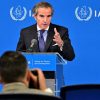
Iran— Deja Vu All Over Again
Chest thumping “Mission Accomplished” claims by President Trump that he ordered the world’s biggest conventional bombs to be dropped on a sleeping nation of 90 million people, were premature. To top it off he bragged that Iran’s nuclear capacity was devastated and that the whole nation fired “not a single shot” back.
Why Peacebuilding Needs a New Global Agenda
 It has been 33 years since peacebuilding was formally recognized within the United Nations system, by the then UN Secretary-General Boutros-Ghali, who defined it as a long-term structural work aimed at preventing the recurrence of violence, setting the stage for the UN’s ongoing efforts to address the root cause of conflict and not just its consequences. “Post-conflict peacebuilding is the action to identify and support structures which will tend to strengthen and solidify peace in order to avoid a relapse into conflict,” Boutros-Ghali said.
Less Investment, Less Aid: How FDI Shortfalls are Hurting Global Relief Efforts
The world is losing interest in investing in others, especially when it comes to humanitarian aid. Foreign Direct Investment (FDI) has slowed to critical levels, weakening emerging markets and further slowing growth across developing nations.
“Slash and Burn” Approach to UN Reforms Under Fire
“We are writing to you regarding the cuts being undertaken under the UN80 Initiative and, more broadly, across the UN system. While we are mindful of the current funding challenges, we believe that the rushed and chaotic manner in which these changes are being implemented is causing deeper harm to both the effectiveness and reputation of the United Nations.« Previous Page — Next Page »





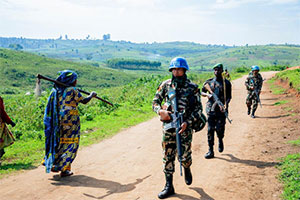 MONUSCO Peacekeepers and FARDC Soldiers Patrol Fataki Area. Credit: UN Photo/Jorkim Jotham Pituwa
Conflict, human rights violations, natural disasters, and famine have been at the forefront of concerns for humanitarian organizations. The escalation of humanitarian crises has led to over 239 million people in need of humanitarian assistance at the start of 2026, as estimated by OCHA’s Global Humanitarian Overview. The 2025 humanitarian appeal received only $12 billion, the lowest funding in over a decade, which has left 24 million fewer people reached in comparison to 2024. Conflict has remained the primary driver of crisis.
Humanitarian emergencies massively impact progress towards the Sustainable Development Goals (SDGs), adversely affecting economic development, inequality, education, planetary well-being, and poverty. Millions of people are faced with reduced access to essential services, including shelter, food, healthcare, and access to clean drinking water. UN Organizations such as UNHCR and the United Nations Children’s Fund (UNICEF) are committed to providing direct relief to affected communities when state governments cannot.
The United Nations 2024 Summit of the Future discussed measures that will be taken to reduce global inequality and promote peacekeeping efforts around the world. The recent UN Climate Change Conference (COP30) in Belém, Brazil, agreed to mobilize $1.3 trillion annually for climate action by 2035, operationalize the loss and damage fund, and triple adaptation finance. However, a fossil fuel transition commitment was not secured, despite climate change and the greenhouse effect being major contributors to humanitarian crises worldwide.
Countries across the world have also rallied to end humanitarian crises, as witnessed in conflicts such as Palestine and Ukraine. IPS is committed to providing relevant and in-depth reports of humanitarian emergencies around the world and their implications.

The Week with IPS

NEXT STOP - SDGs
Tracking global progress towards a sustainable world
Tracking global progress towards a sustainable world