Languages
Thursday, September 24, 2026



News and Views from the Global South
International Justice

NGOs on a Virtual Blacklist at UN High-Level Meetings of World Leaders
When the high-level meeting of over 150 world political leaders takes place September 22-30, thousands of non-governmental organizations (NGOs) and their accredited UN representatives will either be banned from the UN premises or permitted into the building on a strictly restricted basis-- as it happens every year.
Israel, Hamas, the US and Qatar—Unraveling the Mess
Israel’s brazen attack on Hamas’ negotiating team in Qatar while they were deliberating a new ceasefire with Israel raises serious questions not only about the legality of the attack, which violated international laws and norms, and concerns over Qatar’s sovereignty, but also the potential regional and international fallout.
Palestinians Pushed into Deeper Crisis with Israeli Displacement Order on Entire Gaza City
Israel’s intent to displace around 1 million civilians, half of whom are living in famine, is impossible and illegal Oxfam said, while the Israeli military continued to flatten Gaza City building by building as its mass forced displacement of civilians in the city gains terrifying momentum.
Translating Recognition of a Palestinian State into Reality
During the upcoming annual UN General Assembly, several key European countries are expected to recognize a Palestinian state. The question that looms is how to translate such a significant development into reality, whereby the Palestinians will realize their national aspiration for statehood
Is Western Support for Israel Beginning to Crumble?
When the high-level meeting of over 150 world leaders takes place at the United Nations, September 22-30, one of the political highlights would be the announcement by at least 10 Western nations to recognize Palestine as a sovereign nation state. The 10 countries-- some already announcing their recognition ahead of the UN meeting -- include UK, France, Canada, Australia, Portugal, Malta, Belgium, Spain, Ireland and Norway-- proving the longstanding support for Israel is gradually diminishing in the Western world.
African Debt & Climate Change: How the ICJ’s Vanuatu Ruling Could be Used for Broader Justice
African sovereign debtors in distress face terrible choices. They are often forced to choose between fully paying their creditors and financing the needs of their populations – health, education, renewable energy, water.
UN Reforms Include “Painful Staff Reductions”—and Forcible Return to Home Countries
The 193-member General Assembly, the UN’s highest policy-making body, will make the ultimate decision on the proposed UN restructuring, which will include staff cutbacks, merging or eliminating of departments and relocating UN agencies from high-cost to low-cost locations.
‘Israeli Offensive in Gaza City an Existential Threat to the Two-State Solution’
Ahead of the Security Council meeting on the situation in the Middle East, United Nations Secretary-General António Guterres spoke to the press on the “unfolding tragedy that is Gaza,” calling Israel’s new plans to take over Gaza City with the military a “deadly escalation” and an “existential threat to the two-state solution.”
President Trump: You Must Stop Netanyahu’s Second Genocide in Gaza
President Trump, you are the only leader who can stop Netanyahu from committing another genocide in Gaza. The whole world is watching. Do not allow yourself to become an accessory to the murder of thousands of innocent Palestinian women and children and the utter destruction of what’s left of Gaza
Can the UN Trusteeship Council be an Important Part of the Solution in the Middle East?
Many feel desperation and anger that the genocide of the Palestinians is not being stopped. How can the US, Germany and others continue to pour funds and weapons into Israel despite decisions in the UN's highest bodies indicating complicity in accordance with the Convention against Genocide?
UN Report Uncovers “Systematic Torture” in Myanmar
Myanmar’s security situation has deteriorated significantly, with the nation still reeling from the devastating earthquake in March last year, and continued military offensives driven by the ongoing civil war. In 2025, the humanitarian crisis reached a critical turning point, with the United Nations (UN) underscoring a litany of severe human rights abuses inflicted on civilians by the military and armed groups.
UN Staff Federation Remembers with Sorrow the Many who have Fallen in the Line of Duty
On this World Humanitarian Day, the members of CCISUA Staff Federation honour colleagues who dedicate their lives to protecting people in crisis, and we remember with sorrow the many who have fallen in the line of duty.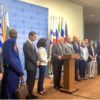
World Leaders Take a Stand as Outrage Against Israel Increases
The world is becoming increasingly outraged at Israel for its actions in the ongoing war against Hamas, particularly amid the recent killings of Palestinian journalists and Israel’s announcement of its plan to seize complete military control of the Gaza Strip.
The Death of EU Values in Gaza
The EU likes to think of itself as a normative power — a community of values, committed to upholding international law, promoting peace, protecting civilians and building a rules-based global order. These are not just lofty ideals; they are enshrined in EU treaties, declarations and Council conclusions.
UN Staffers, Threatened with Lay-Offs, are Offered Early Retirement
The United Nations, facing a liquidity crisis, has been threatening to lay-off about 20 percent of its estimated 37,000 employees world-wide: a proposed move that has triggered widespread protests from staff unions both in New York and Geneva.
Beyond Lives Saved: Why Early Warning Systems Are a Smart Investment
Significant progress has been made globally in implementing national and local disaster risk reduction strategies. Yet, the impact of disasters on lives and economies persists and disaster resilience is one of the most regressed areas in Sustainable Development Goal implementation.
Aid Denied, Questions Ignored: Israel Keeps Focus on Hostages
At the United Nations media stakeout on Tuesday, Israeli officials kept focus exclusively on the hostages, avoiding questions entirely.
Survey by Staff Federation Expresses Disappointment over UN’s Reform Process
The Coordinating Committee for International Staff Unions and Associations of the United Nations System (CCISUA)* staff federation has conducted a quick survey of staff in its member unions of their thoughts on the UN80 initiative.
As Gaza Enters ‘Worst-Case Scenario of Famine,’ States Call for Palestinian Self-Determination at General Assembly
As the starvation crisis in Gaza deepens into what aid organizations describe as a “worst-case scenario,” a growing coalition of nations is shifting its rhetoric and policy toward supporting Palestinian statehood. At the United Nations General Assembly this week, the humanitarian emergency has reignited global calls for a two-state solution and reignited scrutiny of the Israeli government’s blockade of aid.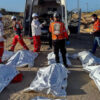
American Inhumanity on Full Display to the World
Why is a grinning Netanyahu, Israel’s Prime Minister, wildly cheered by both Democrats and Republicans whenever he addresses the US Congress, while at the same time in Gaza countless innocent civilians are being killed by American bombs and bullets—and now babies are starving?
Airstrikes in Myanmar Continue To Spread Fear, Devastate Lives
In Myanmar, airstrikes occur almost daily. The phenomenon has become common since civil war broke out following the 2021 military coup that replaced the democratically elected National League for Democracy (NLD) with the Tatmadaw, Myanmar’s military. Several human rights organizations report that these airstrikes are disproportionately targeting civilians and harming lives.« Previous Page — Next Page »


The Week with IPS

NEXT STOP - SDGs
Tracking global progress towards a sustainable world
Tracking global progress towards a sustainable world
