Languages
Friday, September 25, 2026



News and Views from the Global South
Latin America & the Caribbean

Justice, not Impunity, for Sexually Assaulted Indigenous Girls in Peru
The main fear facing women leaders who have denounced the systematic rape of girls from the Awajún indigenous people in the northeastern Peruvian department of Amazonas is that, despite the media coverage and sanctions announced by the authorities, it will all come to nothing.
Argentina: Civil Society’s Urgent Call to Protect Rights
Between the Mafia and the State, I prefer the Mafia. The mafia has codes, it keeps its promises, it doesn't lie, it's competitive. If a company pollutes a river, where is the damage? The sale of organs is a market like any other. Abortion should be considered “aggravated murder”.
Mexico Struggles to Cut Emissions from its Ports
The port of Pichilingue, in northwestern Mexico, faces challenges in decarbonising its activities, as do other maritime infrastructures in the country, while its polluting emissions are increasing.
A Tax on the Super-Rich to Fight Hunger Gains Ground
A global agreement could levy a small tax on the world's 3,000 richest people, with fortunes in excess of US$ 1 billion, and use the money to fight world hunger, a study by the Brazilian government and the European Union's Tax Observatory has shown.
Fiscal Reform Can Help Dominican Republic Attract Greater Investment
The Dominican Republic leads Latin America in GDP growth, with an average annual rate of around 5 percent per year since the 1970s. The Caribbean nation has made great strides in reducing poverty and improving living standards.
Haiti: A Call To Action for All Caribbean and Latin American Countries
Although the most recent evidence shows signs of improvement in food insecurity in Latin America and the Caribbean, the data reveal a worrying upward trend in Haiti and sectors of the subregion.
A Mission To Publish, Translate, Puerto Rican Poets
On meeting Amanda Hernández, one is immediately struck by her infectious energy and her generous sharing of information about Puerto Rican writers and books. At a recent literary festival in the Caribbean - the BVI Lit Fest in the British Virgin Islands - she urged participants for instance to check out the works of several emerging authors from her home territory.
Fake Climate Solutions Spread Across Latin America
Government and private initiatives and programmes to address the climate crisis in Latin America and the Caribbean are in fact a vast array of fake solutions, according to a new regional map made by environmental organisations in several of its countries.
Haiti: Transitional Administration Faces Stern Test
There’s been recent change in violence-torn Haiti – but whether much-needed progress results remains to be seen. Acting prime minister Garry Conille was sworn in on 3 June. A former UN official who briefly served as prime minister over a decade ago, Conille was the compromise choice of the Transitional Presidential Council. The Council formed in April to temporarily assume the functions of the presidency following the resignation of de facto leader Ariel Henry.
A River’s Contrasts and Inequalities in the Arid Lands of Brazil
Osmir da Silva Rubez refuses to join the drip system, and is the only one among the 51 families living in the Mandacaru Public Irrigation Project in Juazeiro, a municipality in the state of Bahia, in the Northeast region of Brazil, to maintain the furrows that carry water to their crops.
Solar Energy, Vetoed as a Source of Income for the Poor in Brazil
“I feel like a mother who lost her son to drugs, to vice, destroying himself,” says Lucineide da Silva, 56, mother of eight children and grandmother of 11.
Venezuela’s Opportunity for Democracy
Venezuela’s 28 July presidential election could offer a genuine chance of democratic transition. Despite an array of challenges, the opposition is coming into the campaign unified behind a single candidate. Many Venezuelans seem prepared to believe that voting could deliver change. But the authoritarian government is digging in its heels. The opposition reasonably fears the election could be suspended or the government could suppress the opposition vote. Large-scale fraud can’t be ruled out.
Quiet Revolution Underway as IFAD’s Innovative Solutions Rise to Global Rural Challenges
Technology and innovation are at the center of the International Fund for Agricultural Development’s strategy to fulfill its global mission to eradicate poverty and hunger in the developing world, IFAD’s President Alvaro Lario told IPS in an exclusive interview.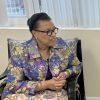
Commonwealth Secretary-General Calls for Concrete Finance Commitments for Small Island Developing States
Commonwealth Secretary-General Baroness Patricia Scotland is calling for concrete commitments to climate finance that will acknowledge the multi-dimensional vulnerability faced by the world’s small island developing states (SIDS).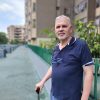
Explainer: Why Is It Important for Venezuela to Adopt Escazú Agreement in the Coming Year?
Venezuela is one of the few countries outside the Escazú Agreement, a treaty in Latin America and the Caribbean ratified by 16 member countries that guarantees access to environmental information, public participation in environmental decisions, and environmental justice.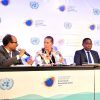
Uniting for Climate Action: UN, World Bank and UNDRR Leaders Push for Climate Finance, Justice and Nature-Based Solutions for SIDS
As leaders of Small Island Developing States (SIDS) meet for the 4th International Conference on SIDS in Antigua this week, top United Nations and World Bank officials are calling for urgent action to help SIDS tackle their unique challenges and plan for the next decade.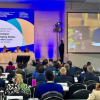
Small Island Nations Demand Urgent Global Action at SIDS4 Conference
“This year has been the hottest in history in practically every corner of the globe, foretelling severe impacts on our ecosystems and starkly underscoring the urgency of our predicament. We are gathered here not merely to reiterate our challenges, but to demand and enact solutions,” declared Antigua and Barbuda Prime Minister Gaston Brown at the opening of the Fourth International Conference on Small Island Developing States on May 27.
Countdown to Critical Conference for Small Island Developing States
Delegates from small island developing states (SIDS) worldwide are meeting in Antigua and Barbuda to strategize for the next decade.
Panama’s Elections: Has Impunity Prevailed?
Regional experts called it Panama’s most important election since the 1989 US invasion that deposed de facto president General Manuel Noriega. Panamanians went to the polls amid high inflation and unemployment, with a stagnating economy. Endemic corruption was also high on their long list of concerns, along with access to water, education and a collapsing social security system.
Women Organize to Fight Coastal Erosion in Southeastern Brazil
Coastal erosion has been aggravated by climate change and has already destroyed more than 500 houses in the town of Atafona in southeastern Brazil. Movements led largely by women are working to combat the advance of the sea and generate economic alternatives.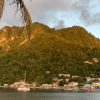
Latin America and the Caribbean Hit with Record-Breaking Heat and Other Climate Effects in 2023
Every year for the last four years, a collaborative effort involving scientists and other experts has assessed the state of the climate in Latin America and the Caribbean. The findings have revealed increasingly alarming trends for the world’s second-most disaster-prone region.« Previous Page — Next Page » *#*


The Week with IPS

NEXT STOP - SDGs
Tracking global progress towards a sustainable world
Tracking global progress towards a sustainable world

