Languages
Saturday, October 10, 2026



News and Views from the Global South
Middle East & North Africa

‘Ending impunity for violations of Palestinians’ rights would strengthen global norms that protect all humanity’
CIVICUS discusses the gender dimensions of genocide in Gaza with Kifaya Khraim, International Advocacy Coordinator at the Women’s Centre for Legal Aid and Counselling (WCLAC). Founded in 1991, WCLAC is a feminist organisation that documents Israeli violations against Palestinian women and uses this evidence for international advocacy.
Bombardments in Lebanon Threaten Civilian Safety, Destroy UNESCO Cultural Heritage Sites
As winter approaches, the ongoing airstrikes and bombardments on Lebanon has threatened the lives and livelihoods of civilians across the country and neighboring regions, which has resulted in skyrocketing death tolls and levels of displacement. Since hostilities escalated in September, Lebanon has seen the destruction of a significant amount of critical infrastructure, including historical sites that are integral to Lebanese history.
Middle East: Ceasefires are the Only Answer
“The shockwaves from Israel’s ongoing and indiscriminate warfare on Gaza and Lebanon are reverberating across this entire region. Neither the horrific assault on Israeli civilians on 7 October 2023, nor the indiscriminate missiles launched by militant groups from Lebanon, can justify the degree of destruction on civilian lives and infrastructure in the region that I have witnessed in recent days.
Israel Alienating Allies and Acquiring Adversaries
As a result of its policies and actions in response to the 7 October attack, the Israeli government has not only alienated its allies and acquired adversaries but also found itself isolated diplomatically. The consequences of those developments and realignments have occurred across countries, organizations and groups worldwide.
Growing Death and Displacement Devastate Lebanon
The ongoing, escalating violence in Lebanon forces millions of Lebanese civilians to face daily bombardment, repeated orders of evacuation, routine destruction of critical infrastructure, and limited access to basic services. With the death toll and rates of displacement on the rise, humanitarian organizations fear that the upcoming winter season is expected to exacerbate these harsh conditions, making Lebanon almost uninhabitable.
Scorched Earth Colonizing of Gaza is a Horrible Idea
For religious, humanitarian, and scientific reasons, Israel’s increasingly apparent plan for the de facto colonization of the Northern Gaza Strip is a bad idea. When that program was rejected recently by Israel’s own Defense Minister Yoav Galant, he was summarily fired by Prime Minister Netanyahu.
Polio Vaccination Campaign in Gaza Misses Thousands of Children
On November 6, the World Health Organization (WHO) announced that the second round of polio vaccinations in the Gaza Strip has been completed. A total of 556,744 children under ten years of age received the mOPV2 vaccine along with a dose of vitamin A to ensure immunization. However, due to rampant hostilities from the Israeli Defense Forces (IDF), the campaign has not been entirely successful, leading to humanitarian organizations fearing that herd immunity has not been achieved.
UN Arms Embargo on Israel: Dead on Arrival
When the United Nations imposes sanctions or penalizes a member state – be it the General Assembly or the Human Rights Council – the resolutions are “non-binding” and often remain unimplemented. But the Security Council resolutions are “binding” – and still openly violated by countries such as North Korea—because all these UN bodies have no means of implementing these resolutions, nor a standing army to forcibly enforce them. But they only carry moral weight.
Israel’s Moves to Ban UNRWA—Signals Uncertainty for Affected Palestinians
The decision of Israel’s parliament, the Knesset, to adopt two laws that would severely limit or outright ban UNRWA has the potential to set a dangerous precedent, where countries can simply implement their own justification to ban the activity of the United Nations, even if it violates their obligations under international humanitarian law. Even with the rest of the world condemning this course of action, for Israel, this has been a long time coming and they are unlikely to back down.
Death Toll in Lebanon Rising From Israeli Bombardment
The eastern region of Baalbek, Lebanon was believed to be a “safe zone” for residents, and refugees who had been displaced by the increased hostilities across the country. That changed on October 29, when an Israeli airstrike on the region resulted in over sixty casualties, including two children.
Has the United Nations Outlived its Usefulness?
The United Nations, established in 1945 at the end of World War II, has sadly virtually outlived its usefulness as it commemorated its 79th anniversary due to its failure to reform itself and adjust to the new world order following the collapse of the Soviet Union, which is significantly different from when the UN was established.
UN Remains Paralyzed as “Rogue Nations” Violate Charter & Escalate War Crimes
The United Nations continues to be virtually paralyzed – and remains politically impotent amidst two raging conflicts—as Russia and Israel keep defying the world body. The killings of civilians and the destruction of cities, particularly by Israel, are devastating and continue despite repeated warnings from the UN, its humanitarian agencies, the International Criminal Court (ICC), UN human right experts and the Security Council.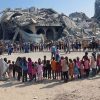
Hope Springs Eternal—Dashed it’s Deadly
The most solemn and terrifying words ever uttered are those inscribed over the gateway to Hell in Dante’s Inferno: “Abandon all hope, ye who enter here!” Hope is essential for human survival both as individuals and as nations.
Israel’s Ban on UNRWA Threatens the Stability of Palestine
On October 28, the Israeli parliament voted to ban activity from the United Nations Relief and Works Agency for Palestinian Refugees in the Near East (UNRWA) in Israel. Two bills were passed by the Knesset, Israel’s house of representatives, one that barred all UNRWA efforts, and another that prevents interactions between Israeli authorities and UNRWA personnel. The implications of this amendment are expected to exacerbate dire conditions for millions of Palestinians who were already in the midst of a severe humanitarian crisis.
Seeds of Resilience Despite Massive Destruction in Gaza
It was two weeks before October 7—when Hamas attacked Israel—that Prime Minister Benjamin Netanyahu stood behind the rostrum in the United Nations General Assembly hall clutching a crude map of what he called the "new Middle East," a visual that erased the land of Palestine.
Pressure on an Atomic Level
Violence in the Middle East has escalated dramatically since the Hamas terrorist attack in October 2023 and the fallout that has since followed. There is tension, if not a state of war, between all the major opponents on the ground.
Over 150 NGOs Urge World Governments to Help End War Crimes in Gaza
As it continues to leave a mounting trail of death and destruction in Gaza, Israel has come under severe attack from the international community, including the United Nations and its humanitarian agencies, Western allies, the International Criminal Court (ICC) and scores of human rights experts.
Biden’s Middle East Endgame Spells a Death Sentence for Thousands More Palestinians and the Israeli Hostages
Nobody should be fooled by President Biden's recent warning to Israel that the U.S. may level consequences if it doesn't do more to surge humanitarian aid into Gaza within the next 30 days. Biden's warning, along with Anthony Blinken's 11th trip to Israel and the region to try and revive ceasefire talks, is nothing more than cynical double talk designed to appease domestic audiences and buy time for Israel to deepen its genocidal aims against the Palestinian people and brutally punish those who support their liberation.
Israel Escalates Offensives on Lebanon
Attacks on Lebanon over the past two months, as instigated by the Israeli Defense Forces (IDF) have been increasingly indiscriminate. The Disaster Risk Management Unit at the Lebanese Council of Ministers confirmed that the death toll of Lebanese civilians has risen to over 2,530. Furthermore, Israel’s hostilities have led to casualties among United Nations (UN) personnel, which has been described as “violations of international law”.
Egyptian Parliament Moves to Strengthen Support for People with Disabilities and the Elderly
In a significant move to address the challenges faced by people with disabilities and the elderly, six Egyptian parliamentary committees met in Cairo on October 12 to discuss national strategies and legislative efforts.
Syrian Displaced Children Go Hungry, Stunting Their Growth
Children in northern Syria are suffering from hunger, illness, and malnutrition as a result of poverty, poor living conditions for most families, and the collapse of purchasing power amid the soaring prices of all essential food commodities. Displacement and a lack of job opportunities make this worse.« Previous Page — Next Page »





The Week with IPS

NEXT STOP - SDGs
Tracking global progress towards a sustainable world
Tracking global progress towards a sustainable world
