Languages
Friday, November 27, 2026



News and Views from the Global South


Davos Leaders Pledge Support for Bangladesh Reform Agendas
As Bangladesh Chief Adviser Professor Muhammad Yunus emerged from a meeting during the World Economic Forum (WEF), Timor-Leste President Jose Ramos-Horta came forward to greet him, a demonstration of how warmly the global leaders and dignitaries received the person tasked with leading the interim government.
Cooking up Success: Solar Kitchen Initiative Aims to Expand Access to Clean Energy in Angola
Access to energy is essential for sustainable development, but for many rural communities, it’s still out of reach. In Angola, according to the 2019-2020 agricultural census, most rural villages lack access to electricity.
Brazil to Free Classrooms from the Invasion of Mobile Phones
It was necessary to repel the "invasion" of mobile phones in Brazilian classrooms, even to spark a debate about the use of technology in education, according to Silvana Veloso, an educator with extensive experience on the subject.
A Lasting Peace Between Israelis and Palestinians
Following the long-sought cease-fire agreement between Israel and Hamas, the major challenge for the Israelis and the stateless Palestinians is how to achieve a lasting peace that will end the disastrous cycle of death, destruction, displacement and despair.
Kenya’s Shadow War on Activism
Kenya’s young protesters are paying a high price for speaking out. Last June, a protest movement led by first-time activists from Generation Z emerged in response to the government’s Finance Bill, which would have introduced sweeping tax increases. The government quickly withdrew its plans, but protests continued, articulating anger at economic strife, elite corruption and out-of-touch politicians. The government’s response has been violent. Police have used batons, teargas and water cannon against protesters. On the worst day of violence, 25 June, when some protesters attempted to storm parliament, police fired live ammunition. Over 60 people were reported killed during the protests. At least 1,200 were reportedly arrested.
Rising Opposition Movement Looks to Political Renewal, Stemming Erosion of Democracy in Hungary
The Central European nation of Hungary is officially a democracy. But civil society, the media and democratic norms have increasingly come under threat as the Fidesz-KDNP coalition government, led by Prime Minister Viktor Orbán, has entrenched autocratic rule over the past 14 years. Now a new wave of energy and popularity is driving the younger opposition movement into the spotlight ahead of next year’s parliamentary election.
The “Fierce Urgency of Now”– to Reverse Course in Haiti
As we commemorated Dr. Martin Luther King Jr.’s Day on January 20, 2025—a day that also marked America welcoming its newly elected president—we honor the legacy of this civil rights leader by reflecting on his powerful words: “We are confronted with the fierce urgency of now.”
‘The Closure of Meta’s US Fact-Checking Programme Is a Major Setback in the Fight Against Disinformation’
CIVICUS speaks with Olivia Sohr about the challenges of disinformation and the consequences of the closure of Meta’s fact-checking programme in the USA. Olivia is the Director of Impact and New Initiatives at Chequeado, an Argentine civil society organisation working since 2010 to improve the quality of public debate through fact-checking, combating disinformation, promoting access to information and open data.
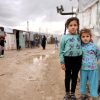
Report Exposes Silent Global Emergency as More Crises-Affected Children Need Urgent Education Support
A report released today on the International Day of Education sounds alarm as the number of school-aged children in crisis worldwide requiring urgent support to access quality education reaches a staggering 234 million—an estimated increase of 35 million over the past three years fueled by intensifying armed conflict, forced displacements, more frequent and severe weather and climatic events, and other crises.
How Artificial Intelligence Will Affect Asia’s Economies
Asia-Pacific’s economies are likely to experience labor market shifts because of artificial intelligence (AI), with advanced economies being affected more. About half of all jobs in the region’s advanced economies are exposed to AI, compared to only about a quarter in emerging market and developing economies.
Should King Baudouin, DRC’s Last Sovereign, Be Beatified?
During his visit to the Kingdom of Belgium in September 2024, Pope Francis was full of praise for King Baudouin, who ruled Belgium for more than 40 years. The pontiff announced the start of the beatification process for the man who, on the Belgian side, ratified the Congo's act of independence on June 30, 1960.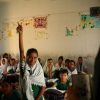
A New Chance to Expand Children’s Access to Education
The International Day of Education, January 24, reminds us of the power of education to transform children’s lives, and to build vibrant, sustainable societies.
Living Conditions in Syria Deteriorate During Transitional Period
Thirteen years of extended conflict, economic downturns, and multiple earthquakes, has left Syria in the midst of a severe humanitarian crisis. Hostilities remain abundant across all of Syria’s governorates, with each facing widespread civilian displacements and damage to critical infrastructures. Following the change of government in December of 2024, Syrian refugees have begun returning from neighbouring countries. However, this return has been marred with insecurity due to the sheer scale of unexploded ordnance, which has resulted in numerous civilian casualties.
Could Trump Really Blow up the Global Trade System?
Trump’s trade policy blends aggressive tariffs, legal manoeuvring and transactional diplomacy. But could he really blow up the global trade system?
A Dream Deferred: Why Is Traveling Across Africa So Hard for Africans?
Aliko Dangote, Africa’s richest man, carries his frustration as visibly as he carries his passport. To travel across the continent he calls home, he needs 35 visas—each a bureaucratic hurdle and a reminder of the barriers to free movement and trade in Africa.
Fallen Black South African Soldiers From World War I Finally Remembered
It was a solemn ceremony on a bright sunny day on the southern tip of Africa, in Cape Town’s company gardens, amid the grass wooden structures that stand out. The 1,700 carefully constructed brown wooden carvings are standing in a line. These structures represent a new Commonwealth War Graves Commission (CWGC) memorial, which honors the contribution of the hundreds of Black South African military laborers of the First World War. The CWGC remembers the fallen soldiers of both World Wars equally with this first permanent redress tribute.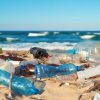
Let the Kite Fly High
The global plastics negotiation process, launched in 2022 under a resolution by the UN Environment Assembly, represents an unprecedented effort to combat the escalating plastic pollution crisis.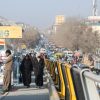
Taliban’s Decrees Worsen Crisis for Afghan Women, Banning All NGO Work
Afghan women are enduring perhaps their most challenging time. Since the Taliban regained power four years ago, restrictions on women and girls have escalated, beginning with bans on education and paid employment.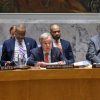
The First Phase of Israel-Palestine Ceasefire Begins
On January 15, 2025, the long-awaited ceasefire proposal between Israel and Hamas was approved, bringing the first bout of relief for the people of the Gaza Strip after 15 months of conflict. This has allowed for the exchange of prisoners and hostages between the two nations as well as a greater flow of humanitarian aid to be directed to Gaza. Although this only accounts for the first phase out of the three phase plan, it is uncertain if Israel will continue to uphold the negotiations of a truce after the first phase is completed.
Rethinking Africa’s Debt: Debunking Myths and Identifying Sustainable Solutions
To achieve the Sustainable Development Goals (SDGs) and Agenda 2063 aspirations, Africa requires an additional $1.3 - 1.6 trillion in financing.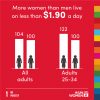
A World Where Rich Get Richer, Poor Get Poorer — and Billionaires Rise
Perhaps one of the UN's most ambitious and longstanding projects – the launching of 17 Sustainable Development Goals (SDGs)-- is aimed, among other things, at helping developing nations eradicate extreme poverty by 2030. But that elusive goal has made little or no significant progress.« Previous Page — Next Page »


Want to keep up with the latest news and views from the Global South? Sign up for IPS Daily News Report for daily emails with our top stories about international development, climate change, gender and more. (Formerly IPS TerraViva since 1993).

The Week with IPS

NEXT STOP - SDGs
Tracking global progress towards a sustainable world
