Languages
Wednesday, November 18, 2026



News and Views from the Global South

Ecobreves – BRAZIL: Small Farmers to Protect Water Source
Fifteen farming families will each earn 100 to 260 dollars a month over the next three years for maintaining the forests on the banks of the Cubatao River, which provides water for the half-million residents of the city of Joinville in the southern Brazilian state of Santa Catarina.Ecobreves – CENTRAL AMERICA:: Protecting Biodiversity on Triple Border
Honduras, El Salvador and Guatemala have agreed a biodiversity project with a budget of 4.6 million dollars aimed at benefiting some 670,000 people in more than 45 municipalities along the three countries' shared border.Ecobreves – COLOMBIA: Dredging to Prevent Floods
- Authorities from the town of Montería, in the northern Colombian department of Córdoba, will begin dredging and rehabilitation work in September on La Caimanera channel.
Warning: Used Cell Phones
Mobile phone use is expanding throughout Latin America, but regulations and technology are insufficient to deal with the obsolete units, which can contain metals and other materials that are harmful to the environment and health.
Thirsty and in the Dark
The current drought -- worsened by deforestation -- is the culprit behind the blackouts hitting Nicaragua during the past four months. If it doesn't rain soon, public discontent could boil over, warns the nation's president.Two Decades of Biotech Advances
The vaccine against hepatitis B is the star product of Cuban biotechnology, which is celebrating its 20th anniversary. In November, scientists and investors from around the world will gather for a meeting in Havana.Ecobreves – VENEZUELA: Tobacco Banned in Green Zone
The 75-hectare Parque del Este (East Park), a green area in the middle of the Venezuelan capital, will become smoke-free before the end of the year, announced Parks Institute spokeswoman Carolina Albarrán.Ecobreves – CUBA: Predicting Local Severe Storms
Experts at the Cuban Institute of Meteorology's forecast center have designed a system -- still in the experimental stages -- for predicting local severe storms, which cause serious damage in this Caribbean island nation.Ecobreves – BRAZIL: Garbage Collectors Demand Recognition
The "catadores" (informal garbage collectors) of Belo Horizonte, capital of the southern Brazilian state of Minas Gerais, will launch their fifth Festival of Garbage and Citizenship.Ecobreves – GUATEMALA: Greater Efforts to Protect Sea Turtles
The Friends of the Forest Association, in the Guatemalan municipality of Coatepeque, is promoting a conservation program for sea turtles along the southwestern beaches of Tilapa and Ocós, on the Pacific coast.Ecobreves – CHILE: Warning for New Pulp Mill
The medical board of the Chilean city of Nuble, 500 km south of the capital, has issued a warning about the potential harmful effects of the imminent opening of the Nueva Aldea Industrial Forestry Complex of the CELCO company.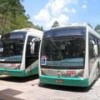
Brazil Experiments with Hydrogen Transportation
The first public buses running on this alternative energy source will begin circulating in Brazil in 2007. But they won't be competitive cost-wise for at least 15 years, say experts.
The Environmental Benefactor
The Global Environment Facility has provided grants totaling more than six billion dollars since its creation 15 years ago. The third GEF assembly takes place in South Africa at the end of August.Ecobreves – MEXICO: Water Without Salt
- Scientists at the public Autonomous National University of Mexico (UNAM) are developing a megaproject to desalinize sea water, using renewable energy in an effort to provide the essential resource to urban centers in the country's desert northwest.Ecobreves – BRAZIL: Controversial Tires
On Sept. 4 will be the second hearing of the World Trade Organization (WTO) for debate on the restrictions of imports of recycled tires in Brazil.Ecobreves – ARGENTINA: Stop Atomic Credits
- Environmental, civil society and neighborhood organizations in the central Argentine province of Córdoba are calling on the World Bank to halt credits to the National Atomic Energy Commission, CNEA.Ecobreves – BRAZIL: Traditionals to Have Own Policies
A national proposal that would benefit the 4.5 million members of Brazil's traditional peoples and communities will be drafted by a commission of 15 of their representatives and 15 government delegates by the end of August.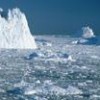
Sailing Scientists Investigate Arctic Melt
The expedition sponsored by the United Nations Environment Program aims to identify the effects of climate change and more accurately predict future impacts.
Thousands of Pets Abandoned During Summer Vacation
Every year in Italy, some 300,000 dogs and cats are left on the streets by their owners. Eighty-five percent of these household pets die within 20 days.Ecobreves – GUATEMALA:: Looters in the Ruins
Most of the archeological sites in the northern Guatemalan department of El Petén, cradle of the Maya culture, are at the mercy of looters due to the lack of funding to pay for guards.Ecobreves – HONDURAS: Betting on Organic Bananas
The government of Honduras and the multinational corporation Chiquita Banana (subsidiary of the U.S.-based United Brands Company) are planning to cultivate 200 hectares of organic banana at the end of the year.« Previous Page — Next Page »


Tierramérica is the main communications platform on sustainable development and the environment in Latin America and the Caribbean. It is produced by IPS Noticias, the agency’s Spanish-language service, which created it jointly with the United Nations Development Programme (UNDP) and the United Nations Environment Programme (UNEP), with later support from the World Bank. The weekly editions of Tierramérica are published in Spanish, Portuguese and English and are picked up and printed by dozens of media outlets in the region. Follow us on Facebook and Twitter.

From the Frontline of Environment
Supported by

Tierramérica en Español

Terramérica em Portuguese

