
Monday, November 16, 2026



News and Views from the Global South
IPS UN: Inside the Glasshouse

Memo from a Multi-Millionaire: Covid-19 Proves Business Case for Taxing the Rich
For the past few decades, many big corporations and very wealthy individuals have operated according to the myth that they are “self-made”, that their success owed nothing to anyone else.
UN@75 & the Future We Want
Crises make us think smaller. When everything is uncertain, we turn inward: to our families, our communities, the immediate needs around us. We focus on the essential and the immediate; we survive.
Are the SDGs in Reverse Gear?
When I was a little girl, my mother told us the story of a woman who escaped from a monster by cooking stones: when the monster fell asleep waiting for his dinner, the woman ran for her life.
Biological Diversity is Fundamental to Human Health
 This year’s International Day of Biological Diversity falls amid the coronavirus pandemic and the slow easing, in some nations, of a global lockdown. While the lockdown has forced most people to stay at home, there have been reports of more wildlife being spotted - even in once-busy city centres.

COVID-19 – China Tells World Health Assembly They Did their Best
This week’s 73rd World Health Assembly had member states adopt a resolution to review the global response to the coronavirus pandemic. The World Health Organisation (WHO) will also undergo an evaluation for its response to the outbreak.
Will UN Chief & Senior Management Volunteer Pay Cuts in Crisis-Stricken World Body?
As a spiraling financial crisis threatens to undermine the UN’s day-to-day operations worldwide, a proposal being kicked around, outside the empty corridors of the UN, has triggered the question: will senior officials, including the Secretary-General, the Deputy Secretary-General (DSG), Under-Secretaries-Generals (USGs), including 60 heads of UN agencies, Funds and Programs, and Assistant Secretaries-Generals (ASGs), volunteer to take salary cuts— even as a symbolic gesture?
South Africa Must Respond – & Lead– on COVID-19 & SDGs
Sitting on the southern tip of Africa during a time of social distancing, while the entire planet fights Covid-19, we cannot help but reflect on how vulnerable our country is to this scourge.
Beyond Trump— US, UN & Global Health Governance
US President Donald Trump’s battle with the World Health Organization (WHO) hides two important issues. One, the long running love-hate relationship between the US and the UN, and two, a better understanding of how global public health is governed and in the overall context of global governance.
On the Agenda of Iraq’s New Government: An Empty Treasury, Low Revenue, and COVID-19
Iraq’s newly-announced leader has brought hope to a country embroiled in a 17-year-long conflict, but authorities must ensure that issues such as swift and rapid response to COVID-19, security concerns, and corruption among others are addressed with urgency, experts said on Tuesday.
Housing is Both a Prevention & Cure for COVID-19
Public health officials are calling the “stay home” policy the sacrifice of our generation. To flatten the curve of COVID-19 infections, this call of duty is now emblazoned on t-shirts, in street art and a celebrity hashtag.
COVID-19: The Digital Divide Grows Wider Amid Global Lockdown
The digital divide has become more pronounced than ever amid the global coronavirus lockdown, but experts are concerned that in the current circumstances this divide, where over 46 percent of the world's population remain without technology or internet access, could grow wider -- particularly among women.
Only Sustainable Investment & Global Cooperation Can Counter COVID’s Blow to SDGs
We are today in a time of crisis—a time when our shared choices will shape the way history tells our story and the paradigm shift it has so forcefully provoked.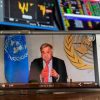
SDGs: the Challenge to Improve Lives After the COVID-19 Crisis
The SDGs, with their universal scope, interlinked nature and focus on leaving no one behind will be more essential than ever during and after this crisis.
Children under Lockdown get a ‘Learning Passport’
Soon schools in Timor-Leste, Ukraine, and Kosovo, where some 6.5 million children are currently at home, will hopefully start teaching their children once again -- albeit online.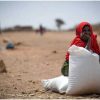
UN’s Development Goals Threatened by a World Economy Facing Recession
The UN’s 17 Sustainable Development Goals (SDGs), described as an integral part of its highly-ambitious development agenda, may be in deep trouble.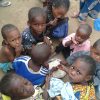
Q&A: Continued Social Distancing and Hundreds of Millions More in Poverty – A New Normal for the World?
With much of the global economy stalled amid an unprecedented lockdown of nations grappling to contain the COVID-19 pandemic, the author of a new United Nations report on the disease’s impact on poverty told IPS that hundreds of millions more could be pushed into poverty and we can expect to see social unrest.
Global Leaders Must Prioritise Children’s Wellbeing amid Coronavirus Pandemic – UN
United Nations Secretary General António Guterres on Thursday pleaded with global leaders and families to ensure the protection of the world's children, millions of whom he says are vulnerable to a myriad of threats as a result of the shutdown arising from the global coronavirus pandemic.
UN Faces Financial & Liquidity Crisis as Global Pandemic Rages
The current financial crisis, triggered as a result of withholding or delaying payment of assessed contributions by Member States, is nothing new to the United Nations.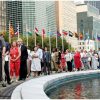
As US Unemployment Hits a Staggering 22 Million, Will UN Layoffs Be Far Behind?
The deadly coronavirus COVID-19, which has shut down the UN secretariat in New York, along with 32 of its agencies globally, has forced over 37,500 UN staffers worldwide to work from their homes.
Concerns for the Nearly 400 Rohingya Refugees Rescued off the Coast of Bangladesh
Nearly 400 Rohingya refugees have been rescued in Bangladesh after being at sea for two months.
Amid Coronavirus Pandemic, SDGs are Even More Relevant Today Than Ever Before
Our world today is dealing with a crisis of monumental proportions. The vicious, novel coronavirus is wreaking havoc across the globe, destroying lives and ruining livelihoods.« Previous Page — Next Page »


It was dubbed "The Glass House" by U.S. ambassador James Wadsworth in 1966. Half a century later, the United Nations has gradually expanded its role as agent of peace and protector of the world's vulnerable populations, while simultaneously facing internal pressures to become more inclusive, increase transparency and maintain legitimacy in the post-Cold War political and economic order. Highlighting the local impacts of global policies on economic development, environment, health and human rights, IPS's coverage goes beyond the edicts of the Security Council to illuminate the power struggles, successes and shortcomings of the 193-member institution as it grapples with crises like climate change, armed conflict, poverty and HIV/AIDS.

The Week with IPS
