Languages
Monday, September 28, 2026



News and Views from the Global South

Ecobreves – CENTRAL AMERICA: Transborder Plan for the Gulf of Fonseca
Honduras, El Salvador and Nicaragua are preparing to implement a transborder development plan for the Gulf of Fonseca, an inlet of the Pacific Ocean shared by the three countries, with the goals of reducing natural disaster risks and more effectively managing natural resource use.Ecobreves – BRAZIL: Climate Change Threatens Amphibians of the Cerrado
Agriculture-driven deforestation, climate change and poor conservation policies are threatening the survival of amphibians in the Cerrado, a vast savanna region in central Brazil, according to a study conducted by the non-governmental organization Pequi - Research and Conservation in the Cerrado.
Q&A: Change the System to Save the Planet
To save the planet from climate change and the loss of biodiversity, we must leave capitalism behind and seek out a less consumerist, more socially just system, insists French environmental journalist Hervé Kempf.
Arctic Melt Stirs Economic Ambitions
The possibility of exploiting the hitherto inaccessible natural resources of the Arctic Ocean is becoming increasingly tangible with the thawing of the North Pole, much to the alarm of European scientists.
Change the System to Save the Planet
Why introduce the concept of the “green economy” instead of continuing to support sustainable development, which has the advantage of emphasizing social concerns? asks French writer Hervé Kempf in this interview.Ecobreves – VENEZUELA: Protest Against Coal Mine
Hundreds of local residents who live near the Fila Maestra coal mine, located 300 kilometers east of Caracas, staged roadblocks on the highway between the Venezuelan capital and tourism destinations in the northeastern Caribbean region as a protest against the mine’s impacts.Ecobreves – BRAZIL: Biogas Can Replace Fossil Fuels in Iron and Steel Mills
Biogas can be used in place of natural gas and coal in iron and steel mills, significantly reducing polluting emissions and wastes, thanks to a technique developed by professors at the Federal University of Minas Gerais and the Federal University of Ouro Preto.Ecobreves – HONDURAS: State Forest Institution Weakened
The functions of the Honduran Forest Conservation Institute (ICF) are increasingly being taken over by the Armed Forces, which is weakening the capacity of this state institution responsible for protecting the country’s forests, say environmentalists.
BRAZIL: Every Raindrop Counts
Brazil is considered a country rich in water resources, with its enormous underground aquifers and mighty rivers. But recognition of the vital importance of rainwater begins where it is most scarce: in the semiarid interior of the northeast.
Every Raindrop Counts
Techniques for making optimal use of the scarce rainfall in northeastern Brazil are aimed at a shift in focus from fighting drought to learning to coexist with the semiarid climate.Ecobreves – MEXICO: Pemex Violates Clean Fuel Regulations
Mexico’s state-owned oil company Pemex is not meeting its obligation to produce clean fuels, a fact which has serious health, environmental, economic and commercial consequences, says a study conducted by three non-governmental organizations.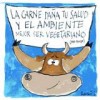
The Dangerously High Cost of Amazon Beef
A delicious 500-gram Amazonian beef steak produced with 7,000 grams of carbon dioxide and 7,000 liters of water, mixed with belched methane, is the ideal recipe for climate change.Ecobreves – ARGENTINA: Geothermal Power Plant on Glacier Rejected
At the request of neighboring communities, an Argentine court has ruled against the proposed construction of a geothermal power plant in the western province of Neuquén.Ecobreves – BRAZIL: Amazon Drought Was the Worst In a Century
The drought that hit the Amazon region last year was the most severe in a century, concluded a study by the National Institute for Space Research (INPE), confirming the suppositions of many scientists.Ecobreves – HONDURAS: School Kids Raise Family Gardens
Students from around 100 schools in Tegucigalpa are raising crops in community gardens as part of the Friends of the Environment project, aimed at raising awareness about the role of children in protecting nature.
LATIN AMERICA: Environmental Innovators Create Virtuous Circles
A method to revolutionise gold mining; biofuel from used cooking oil; a container where garbage and wastewater go in and four useful products and zero waste come out: Latin American science applied to the environment.
ENVIRONMENT: Shrimp Farm Certification: Mere Greenwashing?
Shrimp farming, one of the most destructive industries for coastal ecosystems, may soon be endowed with a set of standards that would supposedly vouch for environmentally responsible production, through the efforts of the World Wildlife Fund (WWF).Ecobreves – HONDURAS: Armed Forces Reforest 11,000 Hectares
The “green battalions” made up by more than 1,000 members of the Honduran Armed Forces have planted 11,404 hectares of forests in the last five years.Ecobreves – BRAZIL: Molecule That Converts Carbon Discovered
A molecule that converts carbon into substances used in the chemical industry has been discovered at Paulista State University in Brazil. This scientific finding can contribute both to the economy and to the mitigation of global warming.
Environmental Innovators Create Virtuous Circles
Three environmental innovation projects demonstrate the capacity of Latin American researchers to develop solid virtuous circles.Ecobreves – VENEZUELA: Trees Versus Housing
The construction of apartment buildings on vacant lots in the centre of Venezuelan cities like Caracas is having an impact on the trees that have surrounded these lots for many years.« Previous Page — Next Page »


Tierramérica is the main communications platform on sustainable development and the environment in Latin America and the Caribbean. It is produced by IPS Noticias, the agency’s Spanish-language service, which created it jointly with the United Nations Development Programme (UNDP) and the United Nations Environment Programme (UNEP), with later support from the World Bank. The weekly editions of Tierramérica are published in Spanish, Portuguese and English and are picked up and printed by dozens of media outlets in the region. Follow us on Facebook and Twitter.

From the Frontline of Environment
Supported by

Tierramérica en Español

Terramérica em Portuguese

