
Tuesday, October 27, 2026



News and Views from the Global South
Trade and poverty: Facts beyond theory
CARIBBEAN: Jury Still Out on Trade Pact with Europe
A year and a half after Caribbean leaders inked a controversial and sweeping free trade pact with the European Union, concerns are emerging that the region is lagging in accessing some of its benefits.
SOUTHERN AFRICA: Cash Transfers Transforming Lives of the Poor
When Letesia Mbewe was nominated as a beneficiary in a cash transfer pilot project in Zambia’s Chipata district, she had no idea the project would change her life and that of her three children.
WORLD: Markets Can’t Self-Regulate; State Should Step In – UNCTAD
The Washington Consensus is dead and the state must play a new role in development. The triple crises – economy, food and climate – show the need for a new developmental model as export-led growth and financial speculation in agricultural markets have proven to be disastrous.Q&A: “Concern About Anti-Counterfeit Campaign Is Alarmist”
Civil society criticism that the anti-counterfeit policy drive in East Africa could result in the blocking of legitimate and affordable generic medicines is merely aimed at raising fear among the region’s inhabitants.
Q&A: Anti-Counterfeit Policy Will Provide “Proper” Generics
The anti-counterfeit draft policy and law that the East African Community (EAC) is currently considering will ensure access to "proper" generic medicines and not fakes, EAC secretary general Juma Mwapachu says in defence of a policy which is criticised as blocking affordable and legitimate generic medicines.UGANDA: New Version of Anti-Counterfeiting Bill Still Problematic
The Ugandan government’s controversial Anti-Counterfeiting Bill has been amended after civil society organisations campaigned against provisions in the bill that may restrict access to generic medicines, which form the bulk of medicines used in the East African country.RIGHTS: Zambia Pushes Anti-Counterfeit Bill Despite Health Danger
Zambia is pushing forward with formulating an anti-counterfeit draft law which will include medicines, despite the controversy that has surrounded similar laws in East Africa and despite having existing legislation which has been used to successfully prosecute counterfeiters of medicines.HEALTH: Uganda Bill Shouldn’t Block Generics, Minister Agrees
Uganda’s trade minister is in agreement that his government’s controversial Counterfeit Goods Bill should not restrict the manufacture or import of life-saving generic medicines.
AFRICA: Fair Trade Farmers’ Exports Hit by Volcanic Ash
African farmers are assessing the financial impact of the Icelandic volcanic ash clouds that led to a lockdown of Europe’s airspace, forcing fair trade flower growers from Africa to throw away 20 million roses that were meant for the European market.ENERGY: Eskom Loan “Will Help” South Africa’s Poor Neighbours
The 3.75 billion dollar World Bank loan for a new coal-fired power station in South Africa is essential for economic growth in neighbouring low income countries, according to Dr Mohamed Abdelrahman, energy advisor for the New Partnership for Africa's Development (NEPAD), a programme of the African Union.
TRADE: SACU Reaches 100th Year Despite Recent Divisions
Leaders rallied behind the Southern African Customs Union (SACU) at its 100th birthday bash on Apr 22, adamant that it remains the region’s best shot at economic sovereignty. Details on how to accomplish this, however, remain sketchy.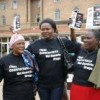
RIGHTS-KENYA: Court Victory Against “Anti-Counterfeit” Agenda
The Constitutional Court in Kenya has barred the government from implementing the Anti-Counterfeit Act of 2008 as it applies to generic medicines until a verdict is delivered in a case filed by three people living with HIV.
NIGER: Lack of Data on Causes of Death Buffers French Company
French state-owned company Areva continues to deny any wrongdoing after findings that populated areas in Niger remain contaminated with high levels of radio-activity. The company seems to be escaping censure partly because of lack of data on cancer-related causes of death among Nigeriens working at or living near the uranium mines.
EAST AFRICA: Green Agriculture Growing in Leaps and Bounds
Organic agriculture using natural farming methods rather than fertilisers and pesticides has made significant gains in African countries – not just among farmers but among consumers too.
Q&A: Africa’s Mid-2000s Economic Boom Fuelled Capital Flight
The African continent lost 854 billion dollars due to illicit financial flows during the 39-year period from 1970 to 2008.
AFRICA: Foreign Investors Safeguarded From Obligations to Locals
Parts of the Tana Delta on Kenya’s northern coastline are being leased to foreigners to grow food and bio-fuels for export. Civil society organisations are worried about such deals as they are done without public consultation while safeguarding investors from requirements that could benefit local communities, such as technology transfer.ZIMBABWE: EU and U.S. Exhibitors Stay Far Away from Trade Fair
Companies from the European Union and the U.S. will not feature at this year’s Zimbabwe International Trade Fair despite the formation of a government of national unity last year.
AFRICA: Land Grabs Continue as Elites Resist Regulation
A year after the purchases of vast swathes of farm land in Africa first drew public attention, transactions remain as opaque as ever.
ENVIRONMENT-NIGER: French State-Owned Company “Poisoning” Poor
Recent research by Greenpeace suggests that French state-owned company Areva’s public claims of decontamination of populated areas near uranium mines in Niger are false. High radio-activity persists in towns and rural areas near the mines, affecting some 80,000 people.Q&A: Why Poorest African Countries Should Not Sign the EPAs
It is a "million dollar question" why African least developed countries (LDCs) would enter into economic partnership agreements (EPAs) with the EU as what remains of especially their agricultural markets will be overrun with subsidised European produce.TRADE: Caribbean Questions EU Development Pledges
When Caribbean leaders sit across the table from their European counterparts at a May summit in Spain, high on their agenda will be the problems experienced by banana and sugar producers in gaining meaningful access to the European market.« Previous Page — Next Page »





Trade has historically been a geopolitical tool, creating significant economic imbalances in developing countries. However, many countries in East Asia and Latin America have been able to alleviate poverty due to increasing trade. Tackling poverty has proven to be much harder in low income countries in sub-Saharan Africa, Asia and Latin America, and their dismal trade performance is one important reason for that. They remain at the margins of world trade and indeed of the world economy. These articles are aimed at informing readers about the complexities of trade and its varying effects on development, with a special focus on the consequences of the global economic crisis, the potential of fair trade and the gender implications of trade policies.

The Week with IPS

Tracking global progress towards a sustainable world
