Languages
Sunday, November 8, 2026



News and Views from the Global South
Other Voices
News and Views from our Content Partners
Dutch Apologise for Indonesian Executions
The Dutch government has formally apologised for the mass killing of Indonesians during colonial occupation which ended in 1949.Syria Strike Set to Overshadow G20 Summit
World leaders from G20 are meeting in St Petersburg, Russia, amid sharp differences over possible U.S. military action against Syria in response to what the U.S. administration calls a deadly chemical weapons attack by the Syrian government.Opposition Journalists in Azerbaijan Face Free-Flat Conflict
In Azerbaijan, opposition journalists have long been beaten, blackmailed and some even killed. But now, it appears a few are being bought.UK Publishes Legal Backing for Syria Strike
The British government has published internal legal advice which it said showed it was legally entitled to take military action against Syria, even if the United Nations Security Council blocked such action.
Israeli Raid Kills Palestinians in West Bank
Israeli forces have killed three Palestinians, including a UN worker, in an early morning raid on the Qalandiya refugee camp in the occupied West Bank.Tajikistan, Where Iranian Money Takes a Bath?
An Iranian entrepreneur who is the subject of U.S. and EU sanctions for laundering oil money on behalf of Tehran is operating a successful family of businesses in Tajikistan.Cheap Power Stymies Renewables in Kyrgyzstan
Almost five years ago, as his village in northern Kyrgyzstan endured daily power outages, rays of light always emitted from Sabyr Kurmanov’s garage. They came from his egg incubator, a 12-volt contraption powered by something he and his neighbours have in abundance – wind.Hundreds Reported Killed in Syria Gas Attack
Syrian activists claim that government forces have carried out a "poisonous gas" attack in suburbs of the capital, Damascus, leaving hundreds of people dead.
Despite Two Bans, Styrofoam Trash Still Plagues Haiti
Despite two government decrees making their import and usage illegal, styrofoam cups and plates are used and littered all over the capital, as well as bought and sold, wholesale and retail, completely out in the open.OP-ED: EU and Azerbaijan, Setting the Record Straight
At a cabinet meeting in mid-July, Azerbaijani President Ilham Aliyev lashed out at the European Parliament for supposedly conducting a “dirty campaign” against Baku. The shrill tone of Aliyev’s comments indicates that European pressure on Azerbaijan to respect basic rights is stinging the Aliyev administration.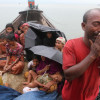
Rohingya Activist Held in Myanmar after Facebook Post
An activist has been arrested in Myanmar after posting photos on Facebook from violent clashes between displaced Muslims and security forces in the country’s restive state of Rakhine, police and an activist have said.Mongolia Wrestles with Dutch Disease Dilemma
Ochir Damchaa chuckles as he drives his second-hand Toyota sedan through the alleyways of Nalaikh, a ramshackle town 35 kilometres east of Ulaanbaatar: “There’re just two kinds of jobs here: drive a taxi, or dig coal.”Kyrgyzstan’s Democratisation Initiative Losing Steam?
In 2010, Kyrgyzstan tried to promote good governance and reduce corruption by attaching public watchdogs to major ministries and state agencies. Almost three years later, the watchdogs are still functioning, but many express frustration about bureaucratic resistance that hinders their ability to do their jobs.Kyrgyzstan’s Democratisation Initiative Losing Steam?
In 2010, Kyrgyzstan tried to promote good governance and reduce corruption by attaching public watchdogs to major ministries and state agencies. Almost three years later, the watchdogs are still functioning, but many express frustration about bureaucratic resistance that hinders their ability to do their jobs.Mongolia Wrestles with Dutch Disease Dilemma
Ochir Damchaa chuckles as he drives his second-hand Toyota sedan through the alleyways of Nalaikh, a ramshackle town 35 kilometres east of Ulaanbaatar: “There’re just two kinds of jobs here: drive a taxi, or dig coal.”« Previous Page — Next Page »





The Week with IPS

NEXT STOP - SDGs
Tracking global progress towards a sustainable world
Tracking global progress towards a sustainable world
