Languages
Sunday, November 22, 2026



News and Views from the Global South
Africa
ENVIRONMENT-SOUTH AFRICA: Making Greens Out of Blacks and Whites
A decade into democracy in South Africa, visitor figures for the country’s national parks still reflect a legacy of racial exclusion.
POLITICS-NAMIBIA: A Milestone Election Gets Underway
A two-day general election got underway in Namibia Monday. The poll marks the end of an era in the Southern African country, as it will see President Sam Nujoma step down after 14 years as head of state. Nujoma has governed Namibia since its independence in 1990.CORRUPTION-KENYA: A Hard Nut to Crack
The government of President Mwai Kibaki is under pressure to make public the wealth of its officials as part of its commitment to fight corruption in Kenya.
HEALTH-SOUTHERN AFRICA: HIV/AIDS Burden on Women Grows
‘’We cannot have women carrying hospital beds on their heads,’’ says Quinton Mageza of global charity ActionAid International, referring to the growing army of women and girls playing the role of nurse at home for relatives living with HIV/AIDS.CULTURE-AFRICA: Publishing Takes on NEPAD
Many column inches have been devoted to the New Partnership for Africa’s Development (NEPAD) – a blueprint for using improved governance to attract more investment to the continent. However, it could be argued that the plan remains something of an enigma to many.POLITICS-SUDAN: Government on the Defensive Over Relocations
Sudan’s government has vehemently denied claims by the United Nations that it is forcibly relocating internally displaced persons from camps in the strife torn western region of Darfur.
DEVELOPMENT-MALAWI: Water Becoming Crucial in Regional Integration
Malawi has scrapped plans to privatise its two water firms, at a time when water is becoming increasingly crucial in poverty alleviation and regional integration in Southern Africa.HEALTH-SOUTHERN AFRICA: Teenagers Notice More AIDS, More Condoms …
The progress of the nasty little virus known as HIV can be monitored on its devastating journeys through bodies and communities. People’s factual knowledge about the disease can be tracked. But getting more information in people’s head does not automatically change their behaviour in bed.ECONOMY-GUINEA: Foreign Firms Scramble for Iron, Bauxite
Environmentalists have reacted with guarded caution to announcements of new plans to mine more bauxite and iron in Guinea. The plans were released after conclusion of the International Forum on the Mining Sector (FISM) held in this West African country last month.RIGHTS-SOMALIA: UN Urged to Probe War Crimes
Rights groups are sceptical of the ability of the proposed Somali government to address the thorny issues of human rights abuses which have been at the heart of the collapse of Somalia since 1991.HEALTH-KENYA: Contraceptives? You’re Lucky if You Get Them
Kenya's government has again been criticised for its failure to provide enough contraceptives for its citizens - this at a two-day conference on maternal deaths and unsafe abortions that was held in the capital, Nairobi.GUINEA-BISSAU: The Military Is Mortgaging the Country’s Future
The pressure that the military frequently applies on Guinea-Bissau's democratic leaders threatens to mortgage the future and international credibility of the small West African nation that won its independence from Portugal in 1974.EDUCATION-KENYA: Free Schooling – Good, but not Enough
By any measure, the enrolment of over a million extra children in Kenya’s primary school system over the past two years is a success story. Enrolment figures in the East African country burgeoned after President Mwai Kibaki introduced free primary education in 2003, when he took over as head of state from Daniel arap Moi.
POLITICS-BOTSWANA: The New President Takes Office
Festus Mogae was sworn into office as Botswana’s new head of state Tuesday, after weekend elections that saw the Botswana Democratic Party (BDP) re-capture the lion’s share of seats in the Southern African country’s legislature.EDUCATION-ZIMBABWE: The Schools Soldier On
Wooden panels in the main hall still list the fading names of outstanding students who attended Milton Junior School in the southern Zimbabwean city of Bulawayo, during the last century.
HEALTH-MOZAMBIQUE: The Condom and Culture Clash
Earlier this year, a chilling statistic cropped up repeatedly at a conference on reproductive rights that was held in London.RIGHTS: A New Constitution Remains Distant Dream for Kenyans
Kenyans are fed up of waiting for a new constitution which seems to be dragging on indefinitely.POLITICS-KENYA: Slow Progress in War on Graft
Concerned about the slow progress in the war on corruption in Kenya, the United Nations has urged the government of Mwai Kibaki to double its efforts to contain the vice.
POLITICS-ZIMBABWE: A Tumultuous Week
In recent years, political developments in Zimbabwe have been as hot a topic of conversation in South Africa as they were in Zimbabwe itself. The past week has not proved an exception to this trend.
POLITICS-BOTSWANA: Voters Expected to Choose More of the Same
With the gaze of the international community fixed on next week’s presidential election in the United States, little attention has been paid to the fact that Botswana is also scheduled to go to the polls within the next few days.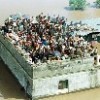
DEVELOPMENT-AFRICA: In Praise of Grace Under Pressure
Images of floods, drought, famine, refugees and malnourished children in Africa have long made the continent appear relentlessly disaster-prone. But, says Francoise Le Goff, these pictures only tell part of the story.« Previous Page — Next Page »


The Week with IPS

NEXT STOP - SDGs
Tracking global progress towards a sustainable world
Tracking global progress towards a sustainable world
