Languages
Wednesday, October 7, 2026



News and Views from the Global South
Middle East & North Africa
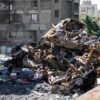
The Global Epidemic of Violence in an Age of Impunity
Violence has metastasized into humanity's baseline condition. Yet international institutions remain paralyzed by vetoes and rivalry, offering hollow declarations while dehumanization becomes normalized. Coordinated action, not gestures, is desperately needed.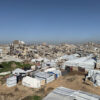
Gaza’s Deepening Health Crisis Leaves Hospitals Overwhelmed
Despite the implementation of a ceasefire between Hamas and Israel last October, Israeli forces continue to launch airstrikes into the Occupied Palestinian Territory. This has resulted in extensive destruction of infrastructure, loss of human life and exacerbating immense health needs amid an increasingly strained health system in Gaza.
The War in Iran Isn’t Just Raising Food Prices — It’s Revealing Who Really Sets Them
As the United States and Israel’s 2026 attack on Iran remains on pause, most eyes have fixed on oil. Tankers reroute around the Strait of Hormuz, oil benchmarks climb, and insurance costs spike. But while the headlines focus on energy, warning signs are already flashing from the food commodities markets.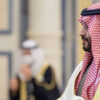
Rivalry Within Limits
While the world watches the Strait of Hormuz and the discord in negotiations between Iran and the United States, the role of the Gulf states is fading into the background. Iran’s attacks on the Arab Gulf states have triggered a threefold shock.
The Impact of the Middle East Crisis on Women and Girls
Six weeks into the 2026 Middle East military escalation, UNFPA Arab States Regional Office warns that its impact on 161 million women and girls living in conflict-affected areas across the region remain largely invisible in conflict analysis, humanitarian response, and funding priorities.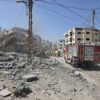
Aid Groups Appeal for Lasting Ceasefire to Address Lebanon’s Catastrophic Humanitarian Crisis
Aid groups have welcomed a ten-day ceasefire agreed between Israel and Lebanon but warn only a permanent halt to fighting can allow for the kind of response needed to address the dire humanitarian situation in the country.
Gaza Crisis Deepens as Aid Restrictions and Ongoing Strikes Strain Humanitarian Operations
Roughly six months after the ceasefire in the Occupied Palestinian Territory went into effect, the humanitarian situation in Gaza remains precariously fragile, despite a relative decline in hostilities. The crisis, marked by ongoing Israeli airstrikes and shelling, continued blockades on humanitarian aid, and widespread displacement, has pushed the majority of Palestinians in Gaza to the brink. Amid the vast scale of needs, basic services are increasingly strained, and humanitarian experts warn that the situation could deteriorate further in the coming months unless sustained aid and funding are secured.
Explainer: How the GEF Funds Global Environmental Action
The Global Environment Facility, widely known as the GEF, plays a central role in financing environmental protection across the world. It supports developing countries in tackling climate change, biodiversity loss, land degradation, pollution, and threats to ecosystems.
Shipping Industry Seeks Certainty as Experts Back Strong Net-Zero Framework
As global shipping braces for another round of high-stakes negotiations, a volatile mix of rising fuel costs, geopolitical tensions and deep political divisions is testing the fragile consensus around a proposed Net-Zero Framework (NZF) aimed at decarbonising one of the world’s most polluting industries.
The Five Enablers of the Israeli-Palestinian Conflict
Every powerful actor in the Israeli-Palestinian conflict professes to seek peace. The US and EU repeat the two-state mantra, the Arab states invoke Palestinian rights, AIPAC proclaims its defense of Israel’s security, and Israeli opposition parties promise “responsible” leadership and stability.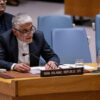
Israeli Strikes Across Iran and Lebanon Raise Concerns of Broader Regional Instability
The past several weeks have marked a significant escalation in hostilities across the Middle East, with tensions rising among Israel, Lebanon, Iran, and the United States following large-scale exchanges of bombardment. Recent statements from U.S. President Donald Trump, including threats of extensive destruction in Iran, have further inflamed regional tensions and complicated ongoing diplomatic efforts. Humanitarian experts warn that these developments risk further destabilizing cross-border relations and could trigger a broader regional conflict.
Nations pledge $3.9bn to Global Environment Facility as Race to Meet 2030 Goals Tightens
With just four years left to meet a series of global environmental targets, governments are committing to shore up one of the world’s main environmental funds, the Global Environment Facility (GEF), with a $3.9 billion pledge.
Humanitarian Response in Lebanon ‘Under Significant Strain’ after Wednesday Airstrikes
On April 8, Israeli military forces launched the deadliest series of airstrikes on Lebanon since hostilities escalated in early March, resulting in the deaths of at least 254 civilians. This latest incident threatens to further complicate humanitarian efforts in Lebanon that are already under immense pressure.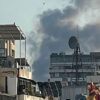
Escalation in Middle East Reverses more than a Year of Economic Growth in the Region
New estimates by the United Nations Development Programme (UNDP) suggest the military escalation in the Middle East, now into its fifth week, may cost economies in the region from 3.7 to 6.0 percent of their collective Gross Domestic Product (GDP).
An Ominous Reckoning for the Gulf States
Trump’s Iran war has left the Gulf shattered: US bases turned into targets, economies battered, and the “oasis” myth destroyed. Gulf rulers now confront a harsh reckoning over their reliance on Washington and the uncertain search for a new, fragile security order.
Iran War Threatens World Food Crisis
While media coverage of Iran’s restrictions on passage through the Hormuz Straits focuses on fuel prices, partial closure is also disrupting crucial fertiliser and other supplies, risking catastrophe for billions worldwide.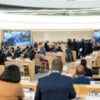
The “Extremely Dangerous and Unpredictable” situation in Middle East and Beyond
More than three weeks after the United States and Israel launched strikes on Iran, the conflict is spreading and intensifying in the region and beyond, with civilians bearing the brunt. Families across the region marked Eid and Nowruz under fire, in fear and uncertainty, and facing further hardship.
Torture and Physical Abuse of Children in Gaza Declared War Crimes
The ongoing Israeli-Palestinian conflict, which began October 2023, has claimed the lives of more than 73,600 Palestinians and about 1,195 Israelis. But there are widespread charges accusing Israel of war crimes, genocide, torture and the abuse of Palestinian detainees in Israeli jails.
Iran War: Winners and Losers
Who benefits from a war of choice against Iran? The immediate political winners may include President Donald Trump and Prime Minister Benjamin Netanyahu. But if the war continues for a longer period, the political consequences for both Trump and Netanyahu could be uncertain. However, the most consistent beneficiaries are defense contractors, defense manufacturers and military lobbyists, who profit regardless of the outcome.
EXCLUSIVE: Water Laureate Kaveh Madani on Arrest, Exile and Fight for Science
Professor Kaveh Madani of Iran has been named the 2026 Stockholm Water Prize laureate. The award will be formally presented by King Carl XVI Gustaf of Sweden in August during World Water Week in Stockholm.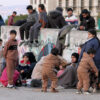
UN Launches 300 Million Dollar Humanitarian Appeal for Lebanon
During a solidarity visit to Lebanon, the UN chief announced a flash appeal of USD 308.3 million to support humanitarian operations there in the wake of escalated fighting.« Previous Page — Next Page »





The Week with IPS

NEXT STOP - SDGs
Tracking global progress towards a sustainable world
Tracking global progress towards a sustainable world
