
Friday, October 16, 2026



News and Views from the Global South
Africa: Women from P♂lls to P♀lls
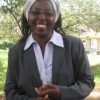
Q&A: "I Don't Consider Myself a Loser in Any Way"
In the run-up to Kenya's Dec. 27 general elections, IPS touched base with legislative candidate Pamela Mburia on several occasions to discuss the challenges she was facing in her campaign. Ultimately, Mburia did not win the Eastern Province seat of Nithi that she contested, so this week we decided to join her again to look back on lessons learned.Q&A: "We Have Managed to Make the Female Agenda a Current Affairs Issue"
Towards the end of last year, IPS reported on efforts to increase women's political participation in Zimbabwe, ahead of the Mar. 29 elections. As it happens, only about 13 percent of candidates for the House of Assembly are women - along with some 30 percent of Senate aspirants, according to statistics from the Women in Politics Support Unit, a local non-governmental organisation (NGO). So, what went wrong?ZIMBABWE: A Society "Not Ready for Female Leadership"?
Women make up about half the population in Zimbabwe. But, they're far from accounting for 50 percent of those on the ballot for this month's general elections in the Southern African country - sparking concern amongst gender activists.ZIMBABWE: A "Can Do" Approach to Greater Political Involvement of Women
With general elections taking place in Zimbabwe on Mar. 29, efforts have been underway to increase women's political participation in the Southern African country.POLITICS: Parliamentarians to Tackle Poverty
The link between global warming and poverty, and the effects of poverty on women, will be among the topics put in the spotlight during the 118th assembly of the Inter-Parliamentary Union (IPU), which takes place next month in the South African port city of Cape Town.KENYA: Women Stood Up to Be Elected
Women boldly stood up to be elected during December’s general elections. They turned out in their highest number ever - 269 - to contest Kenya’s 210 parliamentary seats.KENYA: Senior Women Editors Campaign For Peace
The story of a 12-year-old girl stabbed by her 14-year-old neighbour just because their parents supported different presidential candidates in the Dec. 27 elections will hardly make headlines here. Neither will the story of a woman in President Mwai Kibaki’s backyard sheltering about 100 workers who have fled the post-election violence.POLITICS-SOUTH AFRICA: A Trying Passage for Women in the Ruling Party
The past weeks have been tumultuous for women in South Africa's ruling African National Congress (ANC).CHALLENGES 2007-2008: Support Pledged for Women in S. Leone's Local Elections
Sierra Leoneans will doubtless celebrate the past year as one in which their country distanced itself still further from a war-torn past, by holding general elections in August that were broadly viewed as free and fair.POLITICS-KENYA: For Women, Elections May Be the Milestone That Wasn't
General elections are underway in Kenya, marking the end of a titanic struggle between incumbent President Mwai Kibaki and Raila Odinga, heading the Party of National Unity and the Orange Democratic Movement, respectively.POLITICS-KENYA: NGOs Bolster Women Candidates' Media and Voter Savvy
A number of non-governmental organisations (NGOs) have come to the assistance of female candidates ahead of Kenya's general elections, scheduled for Thursday, in the hope of giving them a fair shot at the polls - this in a country where lack of funds, resistance to women in leadership positions and various other factors tend to undermine women's electoral performance.Q&A: "For Me, Money Has Been the Real Issue"
As IPS reported earlier this year, the financial cost of campaigning has weighed heavily on certain women candidates in Kenya's general elections, set to take place Dec. 27. With just hours remaining before the polls, we caught up with one of these candidates - Pamela Mburia - to find out how she'd managed to press ahead with her bid for office in the face of such difficulties.KENYA: Women Parliamentary Candidates on the Ballot, But Not in the Race?
At first glance, it seems like a good news story. When Kenya goes to the polls next week for general elections, it will do so with record numbers of women on the ballot.
POLITICS-KENYA: A Call to Arm Women Candidates With More Than Speeches
Last Friday, Margaret Wanjiru - a parliamentary candidate in Kenya's Dec. 27 general elections - was reportedly attacked while campaigning in her Starehe constituency in the capital, Nairobi. While she escaped injury, her supporters are said to have been hurt and her campaign van extensively damaged by stoning...Still, those targeted in this incident were probably luckier than Martha Kibwana.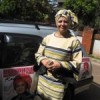
Q&A: "Slash the Salaries of the President, Ministers and Members of Parliament"
The sole female presidential candidate in Kenya's Dec. 27 general elections will launch her party's manifesto on Sunday. Nazlin Umar, one of nine contenders, is running on the ticket of the Workers Congress Party under the slogan "President wa mtaa" ("Street President", in Swahili), as part of a campaign to convince voters that she is able to address everyday concerns.
POLITICS-SIERRA LEONE: Whose Quota, Exactly?
A campaign to bring about greater gender balance in Sierra Leone's government has sparked debate on issues of class, with some fearing that a proposed quota for women could be monopolised by candidates who are unrepresentative of Sierra Leonean women overall.AFRICA: Money, Media and Tradition Complicate Women's Political Aspirations
The challenges confronting women politicians in Africa were given an airing recently during a press conference in South Africa's commercial hub, Johannesburg.
MEDIA-KENYA: For a Woman Candidate, It's Good To Be a Man
As with political candidates everywhere, women running in this month's general elections in Kenya are doubtless keeping a close eye on the media to see how they are being portrayed by news outlets. Then again, these women may simply be concerned about whether they are portrayed at all.
Q&A: "The Presence of Women in Local Councils Is in Itself a Revolution"
As local elections in Benin draw closer, activists are pushing ahead with efforts to have more women voted into local government. Just 45 of the 1,189 councilors currently in office are women.
Q&A: "The Advice I Give Women Is to Leave Hang-Ups Behind"
For women politicians in Mali, winning a seat in parliament is a tall order - difficult enough with party backing, and possibly harder still without it. But, this didn't stop Haïdara Ichata Cissé from taking her chances as an independent earlier this year.MOROCCO: Polls Largely Maintain the Status Quo for Women in Parliament
This month's parliamentary elections in Morocco have seen the number of women legislators decline from 35 to 34 in the 325 member body. With 30 of the female representatives elected under a quota, the results would seem to indicate that women face challenges in making their presence felt in the lower house - even though a proportional representation system is used for polls.« Previous Page — Next Page »





With democratic elections a fact of life across Africa, the continent now faces a different challenge at the polls: ensuring that women have equal opportunities when running for office, representing their constituents, and casting ballots for future leaders. The Inter-Parliamentary Union notes that women hold an average of just 17.5 percent of legislative seats in sub-Saharan Africa -- a far cry from the 30 percent believed necessary for them to have real influence in parliaments, and further still from the 50 percent that would signal parity had finally been attained. Here, we examine obstacles to women's participation in legislative politics. We also analyse how women -- and men -- are dealing with the problems, so that these difficulties can be relegated to the history books.

The Week with IPS

Tracking global progress towards a sustainable world


This page includes independent IPS news coverage which is part of a partnership with UN WOMEN SARO to strengthen the voice and visibility of "Women in Politics" in the region.
Advocacy Toolkit for Women in Politics

- Planning for Advocacy
- Framing an advocacy message
- Mobilising Resources fot your Advocacy Activities
- Conducting Research
- Networking Tools - Srength in numbers
- Be Media Savvy
- Writing for Media - Opinion and Commentary Pieces
- Key Gender Concepts
- Using the SADC Protocol on Gender and Development as an Advocacy Tool
- One woman's journey in advocacy
