Languages
Sunday, October 25, 2026



News and Views from the Global South
Baku
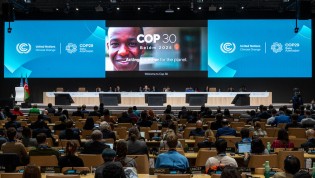
Explainer: Why COP29 Baku Outcome is a Bad Deal for Poor, Vulnerable Nations
The culmination of bitter, difficult, and challenging climate negotiations concluded with an announcement from the COP29 Presidency of Azerbaijan of the "agreement of the Baku Finance Goal—a new commitment to channel USD1.3 trillion of climate finance to the developing world each year by 2035." This is on top of the USD 300 billion that the developed world is to extend to developing nations annually by 2035.
Can Pay, Won’t Pay—COP29 Outcome Far from Promised Historic Deal of a Lifetime
They say it is taboo to talk about money. But this is exactly what developing countries came for: to haggle and push for the climate finance deal of a lifetime, as the climate crisis is, for them, a matter of life and death. Wealthy nations also came for their own deal of a lifetime—to hoist the climate finance burden on the private sector as they take the bare minimum financial responsibility.
Global Climate Challenges: Perspectives from a Chinese COP29 Delegate
As COP29 draws to a close, voices from diverse regions have shed light on their contributions, challenges, and aspirations in tackling the climate crisis.
Insights From Negotiator into How COPs Move Needle Towards Healthy, Liveable Planet
Every year, the Conference of the Parties creates a global milestone for the climate movement, setting new standards and advancing action towards a net-zero planet to sustain all life on earth. COPs provide a platform for the global community to agree on what it would take to restore planet Earth and the contributions that all signatories to the Paris Agreement should make.
Once in a Blue Moon, Things Don’t Fall Apart
The drive home is uneventful. Our Bolt driver is a careful driver—the bright, half-moon provides a delightful end to an evening of song and good food. Our last night as an IPS team at COP29 in Baku, Azerbaijan.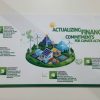
Explainer: Green Climate Fund Draft Negotiations at COP29
The Green Climate Fund (GCF) negotiations brought attention to the progress, challenges, and future strategies for enhancing its effectiveness in fostering a just and sustainable energy transition.
Migration Remittances: Pursuit of Greener Pastures Opens Door for Climate Financing
COP29 delegates have elaborated on how Africa’s dependency on agriculture is becoming increasingly untenable amidst alarming levels of global warming, wrecking havoc on the sector. Coastal communities, pastoralists, and those in the drylands are in the thick of the climate chaos.
UN’s OCHA Calls to Correct the Imbalance in Climate Finance Allocation
As climate-induced disasters continue to wreak havoc worldwide, the Office for the Coordination of Humanitarian Affairs (OCHA), a UN body specializing in emergency response, has issued a clarion call for an ambitious and fair global climate finance goal at COP29. Greg Puley, Head of the Climate Team at OCHA, highlighted the pressing need for enhanced disaster risk reduction and climate resilience measures, particularly in vulnerable and conflict-affected regions.
Where Is Mental Health in Global Climate Negotiations?
The mental health impacts of climate change are not widely discussed, but increasing evidence shows how climate change is affecting mental health and raising the risk of new mental health challenges. Experts say that existing systems are not equipped to cope with the current and additional challenges related to health and mental health caused by climate change.
Science Ignored, Promises Delayed: Bangladesh’s Environment Minister Expresses Dismay Over COP29 Outcomes
Syeda Rizwana Hasan, an adviser to the interim government of Bangladesh and as Minister of Environment, Forestry, and Climate Change, urged the global and regional leaders to prioritize ambitious, evidence-based climate targets in the climate negotiations.
Healing Minds, Empowering Women: Ghana’s Climate Change Battle
As climate change wreaks havoc across the globe, its effects are most acutely felt by those living in vulnerable coastal and rural communities.
Nigeria Day at COP29: Celebrating Diversity and Driving Climate Action
The Nigeria Pavilion came alive with vibrant colors, cultural pride, and meaningful discussions during the celebration of Nigeria Day this week at COP29.
Hydrogen, Nuclear, and Green Zones: Bold Pledges at COP29
As the world intensifies its fight against climate change, the clean energy transition—shifting from fossil fuels to renewable sources—has become a linchpin for sustainable development.
Brazil Vows to Make COP30 a Catalyst for Climate Action and Biodiversity Celebration
As Brazil gears up to host COP30 in Belém next year, Moisés Savian, the country's Secretary of Land Governance, Territorial and Socio Environmental Development, outlined the event's significance in showcasing Brazil's environmental policies and fostering global collaboration.

Saint Kitts and Nevis: Leading the Charge for Climate Justice, Renewable Energy
At COP29, Saint Kitts and Nevis, the smallest independent nation in the Western Hemisphere, stands as a beacon of climate action and renewable energy ambition.
Baksheesh, Kisses and Cabbies in Beautiful Baku
The cab driver, identified as Akad, growled, “Cash, cash," as we boarded our booked app-based taxi. I show him my phone, where the app clearly points to the payment confirmation. “No, no! Cash, cash!”
Dazzling Wildlife Portraits at COP29: A Conversation with Photographer Brad Wilson
As delegates at COP29 stroll through the venue in Baku, Azerbaijan, many pause to marvel at the stunning portraits of animals and birds adorning the pavilion walls. These 16 captivating images, showcasing Azerbaijan's rich biodiversity, are more than just art—they’re a call to action.

Embedding Education into Climate Finance Will Deliver Desired Learning, Climate Action Outcomes
Education is under threat as multiple crises push children out of school and into harms way. COP29 Baku could break historical barriers that hold back education from playing a unique, critical role to accelerate the ambition of nationally determined contributions (NDCs) to the Paris Agreement, protecting people and planet from life-threatening risks of climate change.
Pakistan’s Climate Minister Pitches for ‘Climate Diplomacy’ at COP29
Romina Khurshid Alam, the Coordinator to the Prime Minister of Pakistan on Climate Change, praised the resilience of the people of her country in the face of climate disasters and has put her faith into diplomacy to achieve climate justice.
Don’t Lock Us Out of Negotiating Table—Indigenous Communities
Delegates representing Indigenous people’s rights have taken issue with the ongoing COP29 negotiations, calling for Parties to include text and language that promote Indigenous rights to be explicitly referenced in the consensus and outcome documents.
Qatar Committed to Achieving Nationally Determined Contributions by 2030
As global leaders gather at COP29 to address the urgent challenges posed by climate change, Saad Abdulla Al-Hitmi, Director of the Climate Change Department at the Government of Qatar, highlighted the nation’s ambitious goals in an interview with IPS, stressing its commitment to balancing environmental stewardship with economic growth.Next Page »





The Week with IPS

NEXT STOP - SDGs
Tracking global progress towards a sustainable world
Tracking global progress towards a sustainable world
