Languages
Tuesday, October 13, 2026



News and Views from the Global South
Benin
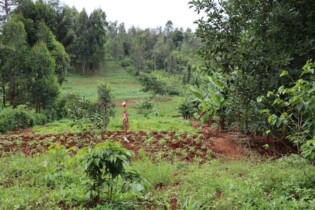
Universities Join Hands to Enhance Agroforestry Research for Mitigating Climate Change
A team of universities, led by Addis Ababa University, has joined forces to implement a four-year Intra-Africa academic mobility project aimed at strengthening agroforestry research and education for climate change mitigation.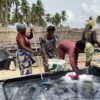
In West Africa’s Benin, Women Make Centuries-Old Salt Production Methods Sustainable
It is barely noon, and a group of women sit near the beach on the outskirts of Djégbadji village, in West Africa’s Benin, sifting through mounds of salt harvested from the Gulf of Guinea’s ocean.
Museum of Modern Art Set to Launch in Cotonou, Showcase Beninese Artists
Construction of the new Museum of Modern Art is underway in Cotonou, Benin’s largest city. The museum, along with three others being built throughout the country, are part of the Beninese government’s extensive plan to ramp up the nation’s tourism industry and preserve its culture. It is expected to open at the end of 2026.
Hustle Culture Emerges in Benin in Face of High Graduate Unemployment
At just 11 years old, with a heavy heart, Louis peered up at his parents and said goodbye. He was leaving his small village in northern Benin to live with his uncle in Parakou, where the schools were better. Ever since, Louis has continued to make sacrifices to pursue a strong education and a better life.
West Africa’s Fine Line Between Cultural Norms and Child Trafficking
On a bus in Cotonou, Benin’s commercial capital, four Nigerian girls aged between 15 and 16 sit closely together as they are about to embark on the last part of their journey to Mali, where they are told that their new husbands, whom they never have met, await them.
Benin’s Agriculture Has a Good Season, But it Wasn’t Easy
Théophile Houssou, a maize farmer from Cotonou, has spent sleepless nights lying awake worrying about the various disasters that could befall any farmer, often wondering, “What if it rains heavily and all my crops are washed away?” or “What if the armyworms invade my farm and eat up all the crops and I’m left with nothing?”
Poverty and Slavery Often Go Hand-in-Hand for Africa’s Children
“Poverty has become part of me,” says 13-year-old Aminata Kabangele from the Democratic Republic of Congo. “I have learned to live with the reality that nobody cares for me.”
Decent Employment Opportunities for Young People in Rural Africa
Over half of the African continent’s population is below the age of 25 and approximately 11 million young Africans are expected to enter the labour market every year for the next decade, say experts.
Young Entrepreneurs Gather in Benin
 Young people from across the globe gathered in Benin’s economic capital city of Cotonou to share their success and experiences in the agricultural sector with each other.

Rabbit Farmer Inspires Youth
Young Beninese rabbit breeder, Samuel Agossou, inspired youth from across the globe when he shared his success story during the Global Youth Innovation Workshop held in Benin late last year.





The Week with IPS

NEXT STOP - SDGs
Tracking global progress towards a sustainable world
Tracking global progress towards a sustainable world
