Languages
Friday, November 20, 2026



News and Views from the Global South
climate adaptation
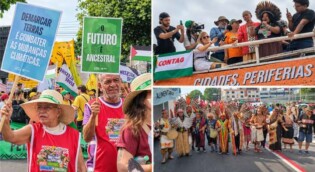
Hotter World, Older Population: How Long Can Climate COPs Ignore the Obvious?
As COP31 gets underway in Antalya, two realities demand attention. The World Meteorological Organisation reports that 2015–2025 were the 11 hottest years on record, with 2025 about 1.43°C above pre-industrial levels.Climate Change and Women Across Three Continents
The link between women in climate change is a cross-cutting issue that deserves greater recognition at climate negotiations. It is pervasive, touching everything; from health and agriculture to sanitation and education.Tackling Climate Change in Africa: Europe’s Solution to the Migrant Crisis?
As thousands of Africans arrive in Europe every month, often risking their lives aboard shaky boats to get to a better life, lack of access to energy could be one of the reasons for their exodus.
In the Shadow of Glacial Lakes, Pakistan’s Mountain Communities Look to Climate Adaptation
Khaliq-ul-Zaman, a farmer from the remote Bindo Gol valley in northern Pakistan’s Khyber Pakhtunkhwa province, has long lived under the shadow of disaster.
Fiji Leads Pacific Region on Climate Adaptation Efforts
Still a long way off in many parts of the world, climate displacement is already a reality in the Pacific Islands, where rising seas are contaminating fresh water and agricultural land, and rendering some coastal areas uninhabitable.


The Week with IPS

NEXT STOP - SDGs
Tracking global progress towards a sustainable world
Tracking global progress towards a sustainable world
