Languages
Sunday, September 27, 2026



News and Views from the Global South
Colombia
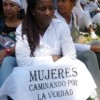
RIGHTS-COLOMBIA: Murdered Activist’s Children Go into Exile
"They are very distressed. Their father, mother and two brothers have been killed. They have expressed the wish to leave the country," Colombian Vice President Angelino Garzón said after meeting Tuesday with the surviving daughters and son of Ana Fabricia Córdoba, a prominent land rights activist assassinated on Jun. 7.
Q&A: “Full Reparations Must Be Guaranteed” for Displaced Victims in Colombia
Human rights groups and small farmers' associations will keep close watch in Colombia to make sure the new Victims' and Land Restitution Law, signed by President Juan Manuel Santos Friday, is effectively implemented.
Q&A: Land and Victims Law Crucial for Millions of Displaced Farmers in Colombia
The Victims and Land Restitution Law, signed Friday by Colombian President Juan Manuel Santos, "is an important message for reconciliation in the country," said lawmaker Guillermo Rivera, one of the sponsors of the law.Critics Call Trade Pact Lose-Lose Deal for Colombian Labour
Two days ago, on Jun. 7, Ana Fabricia Cordoba was killed in the Santa Cruz neighbourhood of Medellin, Colombia. A community leader with the women's organisation Ruta de Pacifica de Mujeres working with displaced workers, Cordoba had been receiving death threats, which she reported to the police and national government.
COLOMBIA: Displaced Campesinos Want a Say on Land Restitution Bill
The Colombian government has been extolling a bill on Victims and Land Restitution which is being debated in Congress and is receiving extensive media coverage. But the demands of the victims themselves, forcibly displaced campesinos, are falling on deaf ears.COLOMBIA: Court Documents Reveal Chiquita Paid for Security
Contrary to claims by Chiquita Brands International that its payments to Colombian paramilitary and guerrilla groups over more than a decade were extorted, internal company documents released here Thursday strongly suggest that the transactions provided specific benefits to the banana giant.
HEALTH-COLOMBIA: Controversy Still Surrounds Malaria Vaccine Pioneer
The announcement of progress towards making synthetic vaccines against 517 infectious diseases, and the award of an international prize for his work have stirred up lively controversy around Colombian pathologist Manuel Elkin Patarroyo, a malaria vaccine pioneer.U.S.-Colombia Deal on Labour Rights Met with Scepticism
On the eve of a meeting between U.S. President Barack Obama and Colombian President Juan Manuel Santos here on Thursday, the White House announced that a deal has been reached on key labour issues upholding the countries' stalled bilateral trade pact.COLOMBIA: Return of Land to Displaced Farmers Picks Up Steam
"Wholesale land titling" Colombia's Minister of Agriculture and Rural Development Juan Camilo Restrepo announced Tuesday, adding that titles would no longer only be handed over to individuals who file land claims, but to entire groups of people in specific rural areas.
Q&A: “We Denounce the Militarisation of Our Lives”
Paramilitary groups in Colombia continue to threaten, harass and violently attack women's rights activists, says Patricia Guerrero, founder of a leading human rights group.COLOMBIA: A Chance for Peace
The Colombian government's greater openness to dialogue and the recent release of hostages by that country's FARC guerrillas have created a climate in which it is possible to move in the direction of a negotiated solution to an armed conflict that has dragged on for nearly half a decade.
Colombia: World Leader in Forced Displacement
"We want to shout out to the world, and no one will be able to keep us silent: forced displacement is still happening in Colombia, which is why we are asking for solidarity. We aren't terrorists, we aren't criminals; we are farmers whose dignity and rights have been stolen from us."COLOMBIA: Increasingly Broad Social Movements Fight Mining
Social mobilisation against gold-mining is growing in Colombia, which is now one of the world's biggest per capita polluters of mercury, used in artisanal mining, according to the United Nations Industrial Development Organisation (UNIDO).U.S.: Spate of Trade Deals Move Toward Passage
On the heels of U.S. President Barack Obama's State of the Union address Tuesday in which he focused squarely on resuscitating the economy, pressure is mounting in the nation's capital to move forward with free trade agreements (FTAs) whose passage would promote exports and create jobs.COLOMBIA: Food Prices Rise after Record Rains
Food prices are set to rise in Colombia, due to the combined effects of soaring international prices and local crop losses after nine months of devastating rains. The government expects food prices to rise three percent in February, while independent analysts forecast an increase twice as high.
COLOMBIA: New Boost for Rural Women
"It sounds nice, but it’ll be tough to implement"; "the most important thing is to translate into reality": These statements by rural women leaders in Colombia sum up the reaction of activists to the government’s decision to revive and refinance a special fund for projects in the countryside led by women.RIGHTS-COLOMBIA: Putting a Face to the Numbers
"First they came for the communists, and I did not speak out - because I was not a communist; Then they came for the socialists, and I did not speak out - because I was not a socialist...." The celebrated quote by German anti-Nazi Lutheran pastor Martin Niemöller remains frighteningly relevant today in some parts of the world, like Colombia.COLOMBIA-ECUADOR: Rights Case May Be Spanner in Works of Restoration of Ties
A decision by the Inter-American Commission on Human Rights to investigate Ecuador's complaint against Colombia for the killing of an Ecuadorean citizen in a 2008 cross-border bombing raid came just as the two countries appear to be on the verge of restoring diplomatic relations.
COLOMBIA: Senator Piedad Cordoba’s Legal Battle
"I am Piedad Córdoba: a feminist, humanist and pacifist."
Uribe and Other Hurdles for Colombia’s Land Law
Although it was to be expected, former president Álvaro Uribe's return to politics in Colombia has caused a stir and has a clear aim: to block two of his successor Juan Manuel Santos's pet projects -- reparations to victims of the armed conflict and the restoration of land to displaced peasant farmers.
COLOMBIA: Voices of Women Peace Activists Silenced
"When we women speak out, without showing fear, we pay a high price: living with that fear," says one peace activist in Colombia. "The threats will not stop us from working for peace and social justice," says another.« Previous Page — Next Page »


The Week with IPS

NEXT STOP - SDGs
Tracking global progress towards a sustainable world
Tracking global progress towards a sustainable world
