Languages
Friday, October 2, 2026



News and Views from the Global South
Cuba
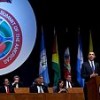
POLITICS: Summit of Americas Ends with a Whimper
There is only one signature on the Declaration of Port of Spain, out of 34 slots.AMERICAS: An OAS with Cuba – Or None at All, Says ALBA
Cuba, the only country excluded from the Fifth Summit of the Americas that opened in Port of Spain on Friday, received strong backing for its demand for unconditional talks with the United States from eight governments of the region who met in the northeastern Venezuelan city of Cumaná.POLITICS: Officially Absent, Cuba Looms Large at Americas Summit
U.S. President Barack Obama may be the star attraction at the three-day meeting, but the U.S. embargo on Cuba – which has not been invited to attend – remains a major issue at this weekend’s Fifth Summit of the Americas to be held for the first time in an English-speaking Caribbean country.US-LATAM: Summit Will Test Obama Magic
As Barack Obama packs his bags for his first trip as president to Latin America and the Caribbean, the big question is whether he will be bringing much with him - beyond his listening skills and charisma - that will excite the region and its leaders at the fifth "Summit of the Americas" in Trinidad and Tobago this weekend.US-CUBA: Public Supports Free Travel, Diplomatic Ties
A majority of U.S. citizens feel that it is time to try a new approach to Cuba, according to a recent national poll by WorldPublicOpinion.org.ECONOMY-CUBA: Keeping the Wolf from the Door
The global recession poses new economic threats to Cuba, hitting its principal exports and reducing its chances of obtaining external financing, although officials seem confident that the situation will remain within manageable limits.US-CUBA: Obama Lifts Restrictions on Cuban-Americans
Fulfilling a key campaign promise, U.S. President Barack Obama Monday lifted all restrictions on Cuban-Americans to visit their homeland and send money to family members there.HEALTH-CUBA: HIV-Positive Want Respect, Not Tolerance
Over 20 years after the diagnosis of the first cases of AIDS in Cuba, HIV-positive persons and those who work with them or are involved in the issue on the island are attempting to drop the use of terms like tolerance and acceptance, and speak instead of respect.CUBA: “It’s Time to Talk” Say US Lawmakers
Seven Democratic congresspersons from the U.S. concluded that it is possible to talk about any issue with Cuba and that "it is time" to do so, at the end of a five-day visit during which they met with both Raúl and Fidel Castro.US-CUBA: Support Builds in Congress to Lift Embargo
A bipartisan group of U.S. senators and interest groups is backing a bill that would end the long economic embargo against Cuba, including travel restrictions to the island.RIGHTS: Cuba Launches Anti-Homophobia Campaign
You could hear a pin drop and uncomfortable glances went round the room when the moderator of the debate invited contributions from the floor. A law student finally broke the silence, appealing for education to be a two-way street, so that homosexuals can "help us to accept them."
Q&A: Gaps in Gender Equality in Cuba
United Nations resident coordinator in Cuba Susan McDade is the first woman to hold that post, and considers herself fortunate to have been assigned the position in a country where women’s rights are enshrined in the constitution, even if it does have a "machista" reputation.ECONOMY-CUBA: Big Hopes for Tourism Industry
The growth of tourism in Cuba in the first two months of this year has led to renewed hopes for the industry, once regarded as the engine of development on the island because of its rapid rise in the 1990s and its impact on the rest of the economy.POLITICS: Brazil Could Play Key Role in US-Latam Thaw
Relations between the United States and left-leaning governments in South and Central America are likely to improve under the administration of President Barack Obama, according to some foreign policy analysts here.
RIGHTS-CUBA: Dissidents’ Wives Back in the Fray
The group of women known as the Ladies in White are holding six days of protests this week in the Cuban capital – one for each year their dissident husbands, fathers or sons have spent in prison.TRANSPORT-CUBA: Nearly There
Cuba's transport crisis finally appears to be coming to an end, after three years of substantial investments and reforms, although future economic growth could pose new challenges.US-CUBA: NGOs Hail Congressional Moves to Ease Embargo
Leading advocates for lifting the nearly 50-year-old U.S. trade embargo against Cuba are hailing Congress's approval Tuesday of a general appropriations bill that eases - albeit in a mostly symbolic way - several restrictions on travel and sales to the Caribbean nation.POLITICS-CUBA: Crawling with Speculation
While the staff of the cabinet ministries set to undergo major reforms are gearing themselves for what lies ahead, the people of Cuba, from academics to pensioners, are speculating about the extent of the recently announced changes and hoping they will bring improvements to their lives and to living standards in general.CUBA: Shakeup Will Bring No Major Changes, Say Observers
President Raúl Castro announced Monday the biggest cabinet shuffle in decades in Cuba, merging several ministries and sacking more than 10 senior officials, including Foreign Minister Felipe Pérez Roque and cabinet chief Carlos Lage.
CUBA: Raul Castro’s First Year – Whispers of Change
As Cuban President Raúl Castro completes his first year in office, although a few of the "structural and conceptual" changes he promised have materialised, the pace of reform remains slow, deflating expectations and contributing to pessimism among the people of this Caribbean island nation.US-CUBA: Lugar Report Gives Momentum to Anti-Embargo Push
Monday's call by Sen. Richard Lugar for a major re-assessment of Washington's nearly half-century effort to isolate Cuba increases the likelihood that U.S. President Barack Obama will make substantial changes in policy toward Havana beyond those he promised during his election campaign, according to experts here.« Previous Page — Next Page »


The Week with IPS

NEXT STOP - SDGs
Tracking global progress towards a sustainable world
Tracking global progress towards a sustainable world
