Languages
Tuesday, October 20, 2026



News and Views from the Global South
Garbage
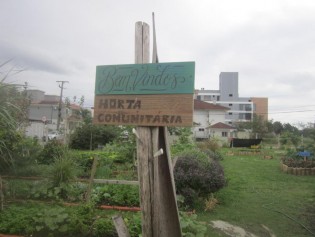
Brazil’s Most Sustainable Capital Puts Value on its Waste
Living with her neighbours, getting to know them and chatting with them is what Lucila Neves enjoys most in the community orchard of Portal de Ribeirão, a neighbourhood in the south of Florianopolis, considered the most sustainable of Brazil's 27 state capitals.
Make Use of all Urban Waste, a Utopia in Brazil?
In 2014, Santa Catarina became the first and only state free of open-air garbage dumps in Brazil. Now, 14 of its municipalities are seeking to also free themselves from landfills and make use of nearly all urban solid waste.
Small Argentine Town Becoming Waste Dumping Ground
While the magnificent samba schools of Brazil were getting ready for the grand carnival in Rio de Janeiro, a modest carnival troupe toured a small Argentine town to draw attention to an urban problem that has brought the central province of Córdoba to the brink of environmental disaster: garbage.
An Argentine Town that ‘Celebrates’ Garbage
Towns traditionally celebrate their most characteristic aspect. So the town of Bouwer in central Argentina decided to “celebrate” garbage.
Zero Garbage Plan Tied to Fate of Ousted Bogotá Mayor
The ousted left-wing mayor of the Colombian capital, Gustavo Petro, is a casualty of the battle over the introduction of a Zero Garbage programme, which had included thousands of informal recyclers in the waste disposal business.
New York Wants Your Potato Peels
Ask a random New Yorker what their city is famous for and “composting” is about as likely to make the list as “cheap housing” and “warm winters”. But if it is up to Mayor Michael Bloomberg, this will soon change.





The Week with IPS

NEXT STOP - SDGs
Tracking global progress towards a sustainable world
Tracking global progress towards a sustainable world
