Languages
Saturday, November 7, 2026



News and Views from the Global South
IPS UN Bureau Report
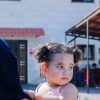
Growing Death and Displacement Devastate Lebanon
The ongoing, escalating violence in Lebanon forces millions of Lebanese civilians to face daily bombardment, repeated orders of evacuation, routine destruction of critical infrastructure, and limited access to basic services. With the death toll and rates of displacement on the rise, humanitarian organizations fear that the upcoming winter season is expected to exacerbate these harsh conditions, making Lebanon almost uninhabitable.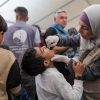
Polio Vaccination Campaign in Gaza Misses Thousands of Children
On November 6, the World Health Organization (WHO) announced that the second round of polio vaccinations in the Gaza Strip has been completed. A total of 556,744 children under ten years of age received the mOPV2 vaccine along with a dose of vitamin A to ensure immunization. However, due to rampant hostilities from the Israeli Defense Forces (IDF), the campaign has not been entirely successful, leading to humanitarian organizations fearing that herd immunity has not been achieved.
UN Arms Embargo on Israel: Dead on Arrival
When the United Nations imposes sanctions or penalizes a member state – be it the General Assembly or the Human Rights Council – the resolutions are “non-binding” and often remain unimplemented. But the Security Council resolutions are “binding” – and still openly violated by countries such as North Korea—because all these UN bodies have no means of implementing these resolutions, nor a standing army to forcibly enforce them. But they only carry moral weight.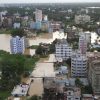
Cities Will Be Hit Hardest By Climate Change, UN Report Warns
Cities are in a unique position, simultaneously the biggest emitters of greenhouse gasses and the most affected areas of the greenhouse effect. As a new UN report shows that rapid urbanization and industrialization have adverse effects on the environment, causing a rise in sea levels, prolonged rainfalls and flooding, and an increase in overall temperature. The coastal areas that cities most often inhabit face the brunt of these effects, with marginalized populations being the most vulnerable.
UNEP: Nations Must Step Up Adaptation—Starting with Bold Finance Action at COP 29
The United Nations Environment Programme’s (UNEP) 2024 Adaptation Gap Report has warned that adaptation actions are not keeping pace with the surging demands of a warming planet. Released ahead of the COP29 climate conference in Baku, Azerbaijan, the report—titled Come Hell and High Water—projected a bleak future where vulnerable communities bear the brunt of climate-induced hardships.
Hustle Culture Emerges in Benin in Face of High Graduate Unemployment
At just 11 years old, with a heavy heart, Louis peered up at his parents and said goodbye. He was leaving his small village in northern Benin to live with his uncle in Parakou, where the schools were better. Ever since, Louis has continued to make sacrifices to pursue a strong education and a better life.
Arab Region Leaders, Experts Gather to Find Solutions to Water Scarcity, Sustainable Development
The Arab region is among the most water-scarce areas globally, as nearly 392 million people live in countries facing water scarcity or absolute water scarcity. So dire is the situation that, of the 22 Arab countries, 19 fall below the annual threshold for water scarcity in renewable resources, defined as 1,000 cubic meters per person.
As Forests Felled Wood Shortage Hits Villagers in Zimbabwe
Linet Makwera (28) has a baby strapped on her back as she totters barefoot, picking tiny pieces of wood on both sides of a dusty and narrow road, peering fearfully at people passing by along the road in Chimanimani’s Mutambara area in Gonzoma village located in Zimbabwe’s Manicaland Province, east of the country.
Israel’s Moves to Ban UNRWA—Signals Uncertainty for Affected Palestinians
The decision of Israel’s parliament, the Knesset, to adopt two laws that would severely limit or outright ban UNRWA has the potential to set a dangerous precedent, where countries can simply implement their own justification to ban the activity of the United Nations, even if it violates their obligations under international humanitarian law. Even with the rest of the world condemning this course of action, for Israel, this has been a long time coming and they are unlikely to back down.
Mexican Cooperative Promotes Energy Transition on Indigenous Lands
What began as a search for fair prices for indigenous handicrafts in 1985 has evolved into a women's organisation in Mexico that promotes climate justice while advocating for land and environmental rights.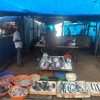
Voices from the Margins: Small-Scale Fishers Demand Rights, Recognition at COP16
Small-scale fishers play a fundamental role in feeding people—they use sustainable methods of catching and processing fish products and are a significant force in the employment and livelihoods of millions of people internationally—yet, until now, they have been excluded from climate and biodiversity conferences.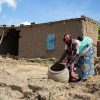
Armed Violence and Floods Aggravate Humanitarian Crisis in Chad
Chad is currently in the midst of a dire humanitarian crisis due to persisting armed conflict, mass displacement, widespread hunger, natural disasters, and an overall lack of essential services. Due to security challenges from the Boko Haram militant group, millions of Chadians have faced decreased mobility as well as human rights violations including imprisonment, beatings, kidnappings, and killings.
Is India Phasing Out Fossil Fuels Fast Enough To Achieve Its Emission Targets?
While India continues to rely heavily on coal, the south Asian economic giant is also aggressively pushing renewable energy production, especially after the costs of renewable energy production have fallen drastically in recent years around the world.
COP16 Delivers on Indigenous Peoples, Digital Sequencing, But Fails on Finance
The curtains fell on the 16th Conference of the Parties of UN Biodiversity (COP16) on Sunday without any formal closing. In a voice message, David Ainsworth, the Communications Director of the UNCBD, confirmed that the COP was suspended due to a lack of quorum in the plenary and would be resumed sometime later. However, before being suspended, the parties managed to adopt a historic decision to open the door for Indigenous Peoples (IPS) and local communities (LCs) to influence the global plan to halt the destruction of biodiversity.
Conditions Deteriorate from Persisting Gang Violence in Haiti
Due to worsening political instability, escalating gang violence, and a lack of basic services, Haiti is in the midst of one of the most severe humanitarian crises in the world. According to a 2024 ACAPS report, gangs have seized 85 percent of the nation’s capital, Port-Au-Prince, resulting in over 700,000 displaced persons.
Death Toll in Lebanon Rising From Israeli Bombardment
The eastern region of Baalbek, Lebanon was believed to be a “safe zone” for residents, and refugees who had been displaced by the increased hostilities across the country. That changed on October 29, when an Israeli airstrike on the region resulted in over sixty casualties, including two children.
UN Remains Paralyzed as “Rogue Nations” Violate Charter & Escalate War Crimes
The United Nations continues to be virtually paralyzed – and remains politically impotent amidst two raging conflicts—as Russia and Israel keep defying the world body. The killings of civilians and the destruction of cities, particularly by Israel, are devastating and continue despite repeated warnings from the UN, its humanitarian agencies, the International Criminal Court (ICC), UN human right experts and the Security Council.
Lead for Learning: Decisive Leadership Urgently Needed To Improve Education Globally
Global education is facing a critical moment amid severe setbacks. Millions of children are out of school, learning levels are falling, and millions are leaving school without the skills they need. New out-of-school figures reveal that global progress in reducing the number of out-of-school children has been just 1 percent since 2015, leaving 251 million behind.
Israel’s Ban on UNRWA Threatens the Stability of Palestine
On October 28, the Israeli parliament voted to ban activity from the United Nations Relief and Works Agency for Palestinian Refugees in the Near East (UNRWA) in Israel. Two bills were passed by the Knesset, Israel’s house of representatives, one that barred all UNRWA efforts, and another that prevents interactions between Israeli authorities and UNRWA personnel. The implications of this amendment are expected to exacerbate dire conditions for millions of Palestinians who were already in the midst of a severe humanitarian crisis.
Defending Biodiversity in Armed Conflict: Can COP16 Meet the Expectations?
José Aruna, a forest defender from Sud Kivu province in the Democratic Republic of the Congo (DRC), remembers the night in September 2019 when a group of heavily armed men barged into his house in the middle of the night. Aruna and his wife—6 months pregnant at the time—were in bed when he heard sounds of boots on the front yard and quickly knew something was about to happen.
Tanzanian Students Drive Climate Action Through Tree Planting
At Gabimori primary school, located at Nyamagaro ward in Tanzania’s northern Rorya district, a 15-year-old Florence Sadiki kneels among polyethylene bags, carefully examining the seedlings she and her classmates have nurtured from tiny sprouts “We’ve planted many trees to make our school look better and to help fight climate change,” she says.« Previous Page — Next Page »





The Week with IPS

NEXT STOP - SDGs
Tracking global progress towards a sustainable world
Tracking global progress towards a sustainable world
