Languages
Monday, November 16, 2026



News and Views from the Global South
Poverty & MDGs
HEALTH-US: Rare Consensus Behind 50-Billion-Dollar AIDS Plan
In an increasingly unusual display of bipartisanship, both the White House and the Republican and Democratic leadership of the House of Representatives have agreed on a bill that, if passed, would provide 50 billion dollars to fight AIDS, malaria and tuberculosis over the next five years.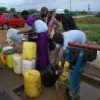
DEVELOPMENT-ZIMBABWE: Full Dams Do Not Translate Into Water Supplies
Heavy rains in Zimbabwe and in the catchment areas of its major rivers in December and January have filled most of the country’s dams to capacity. Yet, many urban households do not have water.ECONOMY-KENYA: Amid Political Crisis, Food Shortages Loom
Elizabeth Mutai, who farms passion fruit in the Keiyo district in Kenya's Rift Valley, is worried. Sales of the crop has dropped significantly since the eruption of violence after the election held in December 2007.
LEBANON: Children Look At The Brighter Picture
On the outskirts of Beirut, narrow alleyways cut through the Chatila Palestinian refugee camp. A maze of electricity cables connect one concrete block and another. Sewage pours continuously through a small grey construction, filling the street with nauseating stench.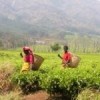
TRADE-MALAWI: Tea Growers Devising Plans to Overcome Low Prices
Low prices continue to haunt Malawian tea on the auction floors, a bitter irony for some producers as the country is regarded as the pioneer of tea-growing in Africa.
Q&A: As Civil Wars End, Child Soldiers Decline
The number of child soldiers, who are forcibly pressed into military service in conflicts worldwide, has declined: from about 300,000 in 1997 to an estimated 250,000 now, says U.N. Under-Secretary-General Radhika Coomaraswamy.TRADE-EU: Deals with Africa a ‘PR Disaster’
Trade talks between the European Union and African countries have been a public relations "disaster" for the Brussels bureaucracy, a high-ranking official confessed Feb. 26.RIGHTS: U.N. Takes Lead on Ending Gender Violence
The United Nations has launched a multi-year global campaign to intensify its efforts to help eliminate violence against women, which has long remained hidden in a "culture of silence".TRADE: EU Aims to Rope in African States Resisting EPAs
The European Union is determined to get those African countries on board which have so far kicked against the economic partnership agreements (EPAs). At the end of 2007, only 35 out of 78 African, Caribbean and Pacific (ACP) countries had initialled EPAs.TRADE-AFRICA: EU Still Pushing Offensive Interests in EPA Talks
The European Union (EU) has an ambitious agenda for the economic partnership agreement (EPA) negotiations. It is pushing for the conclusion of full agreements in the next one to three years, covering everything from services to ‘‘trade-related’’ issues such as investment, competition and government procurement.
TRADE: EPAs Born of EU’s Concern with China in Africa
The European Union (EU) is concerned about competing with China for access to resources and markets in Africa, which partly explains its drive to hook African states into the trade deals called economic partnership agreements (EPAs).
Q&A: "Simply Not Enough People Committed to Proper Water Management"
Following several incidents that have raised questions about water quality and distribution in South Africa, Water Affairs and Forestry Minister Lindiwe Hendricks has tried to allay fears about her department's ability to provide potable water to all South Africans.TRADE-AFRICA: ''EPAs Are Not About Partnership''
The economic partnership agreements (EPAs) currently being negotiated between Europe and its former colonies in the African, Caribbean and Pacific (ACP) regions are not about equal partnerships but about enabling ‘‘big giant Europe to gain better access to African markets’’.TRADE-AFRICA: International Call for Action Against EPAs
African and international civil society organisations have adopted a call for action, urging the rest of the world to redouble its efforts to stop the European Union's drive to institute economic partnership agreements (EPAs).RIGHTS: Gender Equality Gets a Drop of the Funding Bucket
The United Nations has never run out of statistics to reinforce its arguments against one of the most troubling issues the world over: gender discrimination.SOLOMON ISLANDS: Demand For Women Legislators High
Women’s rights advocates in the Solomon Islands are urging their government to act on the findings of a recent survey which show that 89 percent of respondents want more women in Parliament.CLIMATE CHANGE: Lula Calls for Flexibility from Rich Countries
Industrialised nations must live up to their Kyoto Protocol commitments and be flexible in trade negotiations in order for the world to make progress towards solutions to climate change and to prevent the poor from being steeped in poverty for a long time to come, Brazilian President Luiz Inácio Lula da Silva said Thursday.RWANDA: Cutting Edge HIV/AIDS Prevention Presents Challenges
Certain medical workers in Rwanda have expressed concern about the country's campaign to promote male circumcision as a means of curbing the spread of HIV. They fear that in a country with low levels of knowledge about sexual health, people could mistakenly believe the procedure offers complete protection against the virus.HEALTH: Most Malnourished Children Aided Too Late
Prevention may be the best medicine of all when it comes to tackling childhood malnutrition, according to a study published this week in the leading medical journal The Lancet.HEALTH-ARGENTINA: Juicy Hamburgers Threaten Young Kidneys
Famed as one of the world’s leading beef producers, Argentina holds the unfortunate record for the highest incidence of Hemolytic Uremic Syndrome (HUS), an infectious disease caused by bacteria present in incompletely cooked foods, such as hamburgers.TRADE-UGANDA: Privatisation of Seeds Moving Apace
The Ugandan parliament will soon have a hearing on the draft Plant Variety Protection Bill, approved by the cabinet early last year. If passed unmodified, the bill is likely to entrench the rights of breeders and companies while curtailing the rights of small farmers to exchange, save and breed new varieties using hybrid seeds.« Previous Page — Next Page »


