Languages
Friday, September 18, 2026



News and Views from the Global South
SADC
DEVELOPMENT-SOUTHERN AFRICA: Cassava – the New Flavour of the Month?
Cassava, a traditional West African crop, looks set to take root in Southern Africa.
POLITICS: South Africa Keeps Out the Welcome Mat for Aristide
Haiti and South Africa are at odds over the fate of former Haitian President Jean-Bertrand Aristide. Although the two countries are located at opposite points on the globe, distance seems unlikely to make the heart grow fonder in this matter.WORLD AIDS DAY: African Women’s Rights Protocol a Weapon Against HIV
"When you look at the larger picture of HIV/AIDS, the leadership is mainly men. We need to train and have more women leaders," says Prudence Mabele, an AIDS campaigner in South Africa.
WORLD AIDS DAY: In Swaziland, HIV Hides in Plain Sight
Read the obituaries in Swaziland, and you will discover that many people here die from unspecified "lingering illnesses".
POLITICS-MOZAMBIQUE: Observers Concerned Ahead of Poll
Mozambicans go to the polls Wednesday and Thursday for general elections that will see President Joaquim Chissano step down after 18 years as head of state.POLITICS-NAMIBIA: Farewell, the 2005 Gender Target
In the aftermath of this month’s general elections, gender imbalances in government still pose a challenge in Namibia.
HEALTH-SOUTHERN AFRICA: HIV/AIDS May be Undermining Democracy
The figures speak volumes. Between 1999 and 2003 almost 1.5 million of about 20 million registered voters in South Africa were removed from the voters’ roll because they had died – most, it appears, from AIDS-related diseases.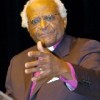
RIGHTS-SOUTH AFRICA: Anti-Apartheid Warrior Identifies New Enemies
Former Anglican archbishop Desmond Tutu does not mince his words. Known as a straight talker, the Nobel Peace Prize laureate was a thorn in the flesh of successive apartheid regimes in South Africa until the demise of white rule in 1994.
DEVELOPMENT-SOUTH AFRICA: Red Tape Delaying Housing for the Poor
South Africa is racing against time to deliver decent housing to millions of its citizens who are currently living in slums.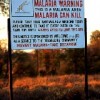
HEALTH-SOUTHERN AFRICA: With the Rains, Comes Malaria
In the blistering summer heat, slow-gathering clouds that promise rain are welcomed by farmers in Zimbabwe and other water-scarce countries in Southern Africa. Yet the rains – when they come – also worsen the incidence of malaria.
DEVELOPMENT-SOUTHERN AFRICA: Overcoming Water Scarcity
A routine visit to a village in the northern South African province of Limpopo brought Stephen McFarlane face-to-face with the reality of a child-headed family.POLITICS-NAMIBIA: Tough Challenges Await the New Government
As preliminary results for Namibia's general elections started trickling in Thursday, Hifikepunye Pohamba of the ruling South West Africa People's Organisation appeared to have taken an early lead in the presidential poll.
ENVIRONMENT-SOUTH AFRICA: Making Greens Out of Blacks and Whites
A decade into democracy in South Africa, visitor figures for the country’s national parks still reflect a legacy of racial exclusion.
POLITICS-NAMIBIA: A Milestone Election Gets Underway
A two-day general election got underway in Namibia Monday. The poll marks the end of an era in the Southern African country, as it will see President Sam Nujoma step down after 14 years as head of state. Nujoma has governed Namibia since its independence in 1990.
HEALTH-SOUTHERN AFRICA: HIV/AIDS Burden on Women Grows
‘’We cannot have women carrying hospital beds on their heads,’’ says Quinton Mageza of global charity ActionAid International, referring to the growing army of women and girls playing the role of nurse at home for relatives living with HIV/AIDS.
DEVELOPMENT-MALAWI: Water Becoming Crucial in Regional Integration
Malawi has scrapped plans to privatise its two water firms, at a time when water is becoming increasingly crucial in poverty alleviation and regional integration in Southern Africa.HEALTH-SOUTHERN AFRICA: Teenagers Notice More AIDS, More Condoms …
The progress of the nasty little virus known as HIV can be monitored on its devastating journeys through bodies and communities. People’s factual knowledge about the disease can be tracked. But getting more information in people’s head does not automatically change their behaviour in bed.POLITICS: Dalai Lama Conciliatory During Visit to South Africa
"I’m not seeking independence for Tibet. But the Chinese government and the media still call me a separatist. There is a lot of suspicion," the Dalai Lama, Tibet’s spiritual leader, told journalists in South Africa’s commercial hub of Johannesburg Thursday.
POLITICS-BOTSWANA: The New President Takes Office
Festus Mogae was sworn into office as Botswana’s new head of state Tuesday, after weekend elections that saw the Botswana Democratic Party (BDP) re-capture the lion’s share of seats in the Southern African country’s legislature.EDUCATION-ZIMBABWE: The Schools Soldier On
Wooden panels in the main hall still list the fading names of outstanding students who attended Milton Junior School in the southern Zimbabwean city of Bulawayo, during the last century.
HEALTH-MOZAMBIQUE: The Condom and Culture Clash
Earlier this year, a chilling statistic cropped up repeatedly at a conference on reproductive rights that was held in London.« Previous Page — Next Page »


The Week with IPS

NEXT STOP - SDGs
Tracking global progress towards a sustainable world
Tracking global progress towards a sustainable world
