Languages
Thursday, November 12, 2026



News and Views from the Global South
Southern Africa
HEALTH-NAMIBIA: Children Seen As Window of Hope for HIV Prevention
Namibia has identified the need to strengthen sexual health education in school curriculum in response to the threat being posed by the HIV/AIDS pandemic.RELIGION: An African Successor for the “Symbol of Unity”?
Even as Roman Catholics around the world mourn the death of Pope John Paul II, the attention of many is turning to the future - and the question of who will succeed the Polish cleric as Bishop of Rome.
HEALTH-AFRICA: Thou Shalt Not Condomise
Muslims and Catholics do not see eye-to-eye on many issues. But when it comes to practices which they fear will allow the encroachment of unacceptable secular values - abortion, gay marriage and condom use - they quickly close ranks to form a united front against the threat.POLITICS-SWAZILAND: Only Int’l Pressure Can End Corruption
Sipho Shongwe, a traditional chief who last year was appointed by King Mswati as the minister in charge of health and social welfare, sounded shocked and wounded following his first encounters with the depths of corruption in government.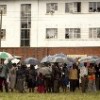
POLITICS-ZIMBABWE: From Anti-Blair to Aunty Blair?
Zimbabwe's last parliamentary election, held in 2000, transfixed the attention of the international community. A substantial number of column inches were devoted to the campaign of farm occupations and human rights abuses that preceded the ballot - and the allegations of vote rigging that followed.HEALTH-ANGOLA: Marburg Virus Death Toll Continues to Rise
-Marburg haemorrhagic fever has claimed 126 lives in Angola so far, but specialists fear this figure could rise dramatically in coming days.ARTS-ZIMBABWE: Secrets and Silence Around AIDS
As AIDS affects a growing number of women and girls in sub-Saharan Africa, a timely novel has been released by first time Zimbabwean author Lutanga Shaba which tackles the factors underpinning women’s vulnerability to HIV.RIGHTS: South African Girls Bend it Like Beckham
When a small piece of South African history was made recently in the coastal city of Cape Town, it looked as if the boys would have the last laugh.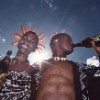
RIGHTS-SWAZILAND: “A Custom Tied to a Lifestyle That No Longer Exists”
The custom of paying a bride price – referred to in Swaziland as "lobola" – is a longstanding tradition in this Southern African country, which is also home to Africa’s last absolute monarchy.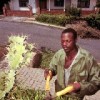
POLITICS-ZIMBABWE: Upcoming Vote a Rite of Passage for SADC Guidelines
Daniel Molokela is joining other exiled Zimbabwean activists in planning a mock election in South Africa’s capital, Pretoria, ahead of the parliamentary poll in Zimbabwe on Mar. 31. Hopes are that about 1,000 Zimbabweans will congregate in front of their country’s embassy to support the event.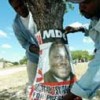
POLITICS-ZIMBABWE: A Campaign Tailor-Made for the Ruling Party
A routine visit to a relative living in a rural area is, in most parts of Africa, a private family matter. Not so in Zimbabwe, says Tiseke Kasambala, a researcher with Human Rights Watch.SCIENCE-SOUTH AFRICA: Fair Uses Fun to Make Up for the Past, Plan for Future
For the past week, a historic university town in South Africa's Eastern Cape province has reverberated with some unlikely noises: the sound of rockets igniting, robots chirping and home-made cars racing.POLITICS-NAMIBIA: Vote Recount Creates New Tension
Many Namibians are irritated or confused about the real results of their country’s parliamentary elections. Short before the main television news of the national broadcaster, the Namibia Broadcasting Corporation (NBC), Mar. 16, the Electoral Commission had announced the surprising results of the election recount.
RIGHTS: Children Bear the Brunt of Donor Hostility to Zimbabwe, Says UNICEF
Carol Bellamy's final trip to Africa as head of the United Nations Children's Fund, UNICEF, has been overshadowed by what she terms the "stark contrast" between aid given to Zimbabwe - and that received by other African countries in need, especially those in Southern Africa.
POLITICS: Zimbabwe’s State Media Give With One Hand, Take Away With Another
On the face of it, the new broadcasting regulations issued last month in Zimbabwe were groundbreaking. For the first time in the history of Zimbabwean elections, the opposition would be legally allocated time on state-owned radio and television in the run-up to a parliamentary poll, scheduled for Mar. 31.DEVELOPMENT-AFRICA: A Mixed Verdict for Commission’s Report
A "decisive first step" towards making poverty in Africa history, an "exercise to cover up the Iraq war": reactions to the report issued last week by Britain's Commission for Africa have been many and varied.RIGHTS-ZIMBABWE: A Drop-In Centre for Kids Who Drop Out
Thomas is hunched over a car engine, busily dismantling it, his hands covered in grime. He seems so adept that a casual observer might mistake him for a veteran mechanic. But, nothing could be further from the truth.INT’L WOMEN’S DAY: South Africa Linked in the Global Human Trafficking
Human trafficking, particularly of women and children, in South Africa is not slowing down while the country’s government has not yet implemented legislation recognising this vicious flesh trade as a crime.TRADE: Inching Towards a Conclusion of the Doha Round – Maybe
Officials who attended two days of trade talks in Kenya have given a mixed verdict on the outcome of the discussions. While some described the meeting as productive, others said little progress had been made in resolving problems that have dogged the latest round of international trade negotiations since it got underway in 2001 in Doha, Qatar.
RIGHTS-SOUTH AFRICA: The San a “Community Fast Losing Hope”
The plight of an indigenous community in South Africa, the San, was placed in the spotlight this week with the launch of a report by the South African Human Rights Commission.RIGHTS-SOUTH AFRICA: Giving the Budget a Gender Agenda
Talk is cheap, but carrying out the promises you make less so. That being the case, has all the talk about ensuring equality between men and women in South Africa resulted in action where it counts most: the allocation of funds along gender lines in the national budget?« Previous Page — Next Page »





The Week with IPS

NEXT STOP - SDGs
Tracking global progress towards a sustainable world
Tracking global progress towards a sustainable world
