Languages
Thursday, October 8, 2026



News and Views from the Global South
The Amazon
ENVIRONMENT: Crisis Could Ease Pressure, But Not for Long
The global economic recession or slowdown that will result from the financial crisis that broke out in the United States could bring some benefits for the environment in the short-term - such as a reduction in power consumption and in the deforestation of the Amazon rainforest -, but the overall effect may turn out to be negative in the long run.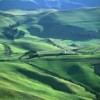
ENVIRONMENT: Global Financial Crisis a Bad Sign for Andean Biodiversity
The crisis affecting the financial sector and stock markets around the world could fuel the expansion of extractive industries in South America's Andean region, warn experts.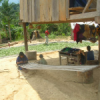
PERU: Native Groups Hemmed in by Coca Threat
Small farmers from Peru’s impoverished Andean highlands provinces of Ayacucho are moving into indigenous land in the country’s central jungle region to grow coca.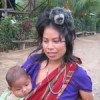
PERU: Birthing Houses Combine Native Traditions, Modern Medicine
"Ashaninka women give birth at home, in accordance with tradition," declares José Ponce, the head of the health committee in Puerto Ocopa, a village of 253 Ashaninka indigenous families deep in the central Peruvian jungle.
BRAZIL: Courts – the Battleground for Fight Against Paper Mills
The battle against the wood pulp ndustry has intensified in the Brazilian courts, especially in those states where eucalyptus plantations have expanded the most: Bahia and Espírito Santo in the east and Rio Grande do Sul in the south.
ENVIRONMENT-BRAZIL: Click Here to Plant a Tree
It has become fashionable in Latin America to pursue initiatives towards "zero carbon", neutralising the climate-changing greenhouse gases produced by industry, commercial aviation and even the football World Cup - and along with it, atoning for the environmental sins of polluters.
OIL-PERU: “The Ashaninka People Will Not Allow These Abuses”
"We will not allow the oil company to come in because it will bring pollution and we will suffer," said Medaly Pancho, a member of the Ashaninka community in the central Peruvian province of Junín. "We hunt and fish, we live our peaceful lives, and we don't want that to change."
ENVIRONMENT: Amazon Increasingly Oily
More than 180 oil and natural gas fields extend across the western Amazon, shared by five South American countries and threatening biodiversity and indigenous lands, warns a study by U.S.-based organisations.
Q&A: “Amazonas State Is in the Environmental Vanguard”
The Brazilian state of Amazonas is "a quarry of ideas and creativity" and is in the vanguard for having preserved 98 percent of its native forests, paying for environmental services, and enacting the pioneering Climate Change Act, says Nadia D'Ávila Ferreira, the state's secretary for the environment and sustainable development.PERU: Indigenous Groups Win Major Battle in Congress
The Peruvian Congress voted Friday to repeal two decrees that opened up communally owned native lands to private investment and that triggered a wave of protests this month by indigenous people in Amazon jungle provinces.
BRAZIL: Setting an Important Precedent for Indigenous Lands
An imminent decision by Brazil’s Supreme Court on the demarcation of the Raposa Serra do Sol indigenous reservation in the Amazon jungle region has the country’s native communities on edge, because of the precedent it will set.
BOLIVIA: Businesses Take On the Green Challenge
What do Bolivia's largest textile mill, an organic cacao cooperative and an indigenous-run tourist hostel in the Amazon have in common? The answer lies in the path, shaky but inspiring, that they are all taking towards sustainable production.PERU: Native Groups Protest Laws Facilitating Sales of Land
Defending the state of emergency declared in three provinces in Peru to crack down on protests by indigenous communities against a law facilitating the sale of their community-owned lands, Prime Minister Jorge del Castillo said the government was safeguarding "the rights of the great majority of Peruvians."ENVIRONMENT: Tierramerica Centre Born in Heart of Amazon Jungle
The Tierramérica International Centre for Sustainable Development and Environmental Defence held its founding assembly Thursday in Manaus, a city in the heart of the Brazilian Amazon, during a seminar on the world’s big environmental challenges.
BRAZIL: Market Access – Key to Autonomy for Rural Black Community
From the 16th century onward, the densely forested, mountainous terrain of the Ribeira River Valley made it an ideal area for runaway slaves to establish settlements of their own, known in Brazil as "quilombos". But the geographical isolation that once offered refuge has now become an obstacle to the development of these Afro-Brazilian communities.
BRAZIL: Livelihoods Vs. Environment – Afro-Descendants Caught in the Middle
"They won’t let us plant our crops," says Leonila Costa Pontes, referring to the laws that require an environmental permit for her to cultivate her small plot of land.
ENVIRONMENT: Indians Close Ranks Against Dams in the Amazon
Indigenous communities in Bolivia and Brazil have declared an emergency in response to the construction of the Madera River Hydroelectric Complex, which Brasilia is pursuing even as independent research efforts try to measure the impacts of what will be one of South America's largest energy projects.
SOUTH AMERICA: How to Atone for Beef’s Sins
The global food crisis and climate change have cast the spotlight on negative aspects of the cattle industry, such as the high consumption of vegetable protein to generate relatively little meat, and the sector’s role in global warming.
ENERGY: Green Standards Proposed for Biofuel Production
The adoption of international standards for the sustainable production of biofuels emerged as a controversial approach at the recent United Nations conference on biodiversity here.BRAZIL: Landowning-Military Front Against Indigenous Policy
The battle to defend Brazil’s Amazon region "began in Roraima," according to Paulo Cesar Quartiero, a central figure in land conflicts in the indigenous border territory of Raposa Serra do Sol (RSS) which are prompting politicians and military officers to organise an opposition front.PERU: Indigenous Groups Challenge Private Investment Decree
More than 5,000 indigenous and peasant communities in Peru launched a petition drive this week with the aim of getting President Alan García’s decree promoting private investment in communally owned land declared unconstitutional.« Previous Page — Next Page »





The Week with IPS

NEXT STOP - SDGs
Tracking global progress towards a sustainable world
Tracking global progress towards a sustainable world
