Languages
Thursday, October 1, 2026



News and Views from the Global South
Troubled Waters
CLIMATE-MOZAMBIQUE: Once Again Flooding Brings Risk of Disease
Once again Mozambicans are assessing the damage left in the wake of devastating rains and burst river banks along the floodplains of the Zambezi, Búzi, Púnguè and Save Rivers. Nobody is sure how many people have perished in the most recent floods, but the final death toll could be well over one hundred.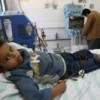
MIDEAST: Faeces Change the Face of Gaza
A stream of dark and putrid sludge snakes through Gaza’s streets. It is a noxious mix of human and animal waste. The stench is overwhelming. The occasional passer-by vomits.DEVELOPMENT-SOUTH AFRICA: Using Culture to Save Wetlands
Wetland conservation projects in South Africa have to take into consideration the culture, traditions and needs of local communities, according to Donovan Kotze of the University of KwaZulu Natal. He believes that the key to proper wetland management lies within communities living in and around these wetlands.CLIMATE-NIGERIA: Inefficient Gas Flaring Remains Unchecked
"The Federal Government policy to stop gas flaring commences on Jan. 1, 2008, and any company which flares gas after that time would be shut down." This was the strong warning from the Nigerian government in October last year to multinational oil companies operating in the country.SOUTH AFRICA: Government Set To Reach Sanitation Target. Is it Enough?
The South African Department of Water Affairs and Forestry has narrowly missed one of its most important targets, aimed at improving sanitation for the country's poorest people - but plans to make up the remaining ground soon.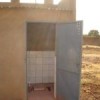
DEVELOPMENT-BURKINA FASO: “Sanitation Costs a Lot, But It’s Not a Luxury”
For some in Burkina Faso's capital, Ouagadougou, rainy seasons have spelt trouble - at least from the point of view of sanitation.ZIMBABWE: Good Intentions Plus Poor Implementation Equals Dry Taps
A 20-litre bucket in hand, Abigail Shonhiwa ponders the stretch ahead in her journey to the next watering hole, a distance of about seven kilometres. Her suburb has been facing recurrent water shortages since 2000, in part because it is built on a plateau in the Zimbabwean capital, Harare.DEVELOPMENT-SOUTH AFRICA: Could Water Meters Be Unconstitutional?
More than 300 residents of Phiri, one of the poorest suburbs in Soweto, demonstrated outside the High Court in Johannesburg earlier this month to show support for a campaign to have pre-paid water meters declared unconstitutional. After a three-day hearing, the judge announced that he would make his findings known early in 2008.MALAWI: Crocodiles Make Fetching Water a Life Threatening Experience
Many communities around the world may take water for granted; but for those living along Malawi’s longest river, the Shire, water is something to die for. The 400 kilometre long river is the main outlet of Lake Malawi as it flows south into the Zambezi River.
Q&A: “Where Has All the Water Gone?”
Imagine a planet where nuclear-powered desalination plants ring the world's oceans; corporate nanotechnology cleans up sewage water so private utilities can sell it back to consumers in plastic bottles at huge profit; and the poor who lack access to clean water die in increased numbers.DEVELOPMENT-SOUTHERN AFRICA: Local is Essential
Local communities in Southern Africa should be given a greater opportunity to participate in initiatives for the management and conservation of natural resources such as water. This was one of the main conclusions of the third Zambezi Basinwide Stakeholders Forum, held recently in Victoria Falls, Zimbabwe.SOUTHERN AFRICA: The Indispensable Role of Mud Flats, Marshes and Swamps
The need for greater urgency in addressing loss of wetlands in the Zambezi River Basin has been highlighted at a recent meeting in northern Zimbabwe.SOUTHERN AFRICA: Co-operation and Investment a Defence Against Floods
To prevent, monitor and manage floods in the Zambezi River Basin - and reduce the number of flood victims - regional governments and parties involved in the water sector urgently need to adopt a more proactive approach, experts said during the third Zambezi Basinwide Stakeholders Forum, held recently in Victoria Falls, northern Zimbabwe.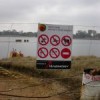
ENVIRONMENT-SOUTH AFRICA: Radioactive Water, the Price of Gold
Large gold-mining companies operating to the west of South Africa's commercial centre, Johannesburg, stand accused of contaminating a number of water sources with radioactive pollutants.ENVIRONMENT-ZAMBIA: An Unwelcome Guest Has Taken Root
An invasive shrub has colonised a corner of the Lochinvar National Park, upsetting the balance of one of Zambia’s most diverse ecosystems. Mimosa pigra, originally from Mexico, is now threatening wildlife and pastoralists who depend on grazing lands in and around the park.SOUTHERN AFRICA: “Make the Issue of Water Attractive to the Authorities”
To tackle droughts in Southern Africa, one needs to think out of the box instead of pointing fingers at obvious causes such as lack of rainfall, experts said this week during the third Zambezi Basinwide Stakeholders Forum, held in Victoria Falls, Zimbabwe.SOUTH AFRICA: A Tale of Ongoing Water and Sanitation Woes
When the number of people reported with diarrhoea began to increase alarmingly in the town of Delmas in Mpumalanga Province towards the end of October, residents had flashbacks to an outbreak of diarrhoea and typhoid that took place in August and September, 2005. They feared the worst as the number of cases grew in the community of about 45,000 people - 60 kilometres east of South Africa's financial centre, Johannesburg.
MOZAMBIQUE: Committees for Water – But Sometimes in Name Only
Impoverished residents in the suburb of Carrupeia in Nampula, Mozambique's third largest city, do not have access to potable water because their water committee has effectively ceased to function.ENVIRONMENT-PERU: A (Toxic) River Runs Through It
The Mantaro river basin, one of the main water sources in Peru’s central Andes mountains, is a dump for toxic substances, according to an independent scientific study. Lead levels, for instance, are 180 times higher than those accepted by the World Health Organisation (WHO).ENVIRONMENT: Central Africa's "Most Beautiful Waterfall" Under Threat
Described as the most beautiful waterfall in Central Africa, Gabon's Kongou Falls are also at the heart of an environmental controversy that some believe has far-reaching implications for conservation in the country.
Q&A: "Wetlands Have Had a Pretty Raw Deal, Historically"
Environmental organisations can work with developers to manage wetlands in urban areas, says John Dini: programme manager at Working for Wetlands, a state organisation that tries to ensure the long term viability of wetlands in South Africa.« Previous Page — Next Page »


The Week with IPS

NEXT STOP - SDGs
Tracking global progress towards a sustainable world
Tracking global progress towards a sustainable world
