Languages
Wednesday, September 30, 2026



News and Views from the Global South
Troubled Waters
CAMBODIA: Planned Lao Dam Raises Concerns on the Mekong
The Lao government’s decision earlier this year to press ahead with plans to build the Don Sahong dam on the mainstream of the Mekong River in southern Laos is causing major concern in Cambodia and internationally.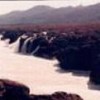
ARGENTINA-BRAZIL: Planned Binational Dam Under Fire
Feeling the pressure of rising energy demand, the governments of Argentina and Brazil are taking a fresh look at old plans for the Garabí hydroelectric dam on the Uruguay River, which environmentalists say would endanger the flow of this already highly exploited water source.BURKINA FASO: Ensuring That the Origin of Life Isn’t Also the End of It
"Water is the origin of life...I come from Central Africa where we have a lot of water, but it was when I came here that I really understood the meaning of this expression," says Antoinette Dinga Dzongo, the African Development Bank's representative in Burkina Faso, in reference to the need for improved water provision in this West African country.DEVELOPMENT- ANGOLA: Research Initiative Nets Interesting Discoveries
More than 50 species of fish have been recorded in the initial phase of a two-year joint research project on the Kwanza River in Angola.DEVELOPMENT-CAMBODIA: Bowing to Regional Hydropower Demands
For the Cambodian government, hydropower development represents great economic opportunities. But for non-government organisations (NGOs), and the communities they serve, dams pose severe social and environmental impacts.WORLD WATER DAY-SOUTH AFRICA: Celebrations in the Midst of Crisis?
South Africa is currently celebrating Water Week (Mar. 17-23) to coincide with World Water Day on Mar. 22. The week also coincides with a national crisis in confidence about the ability of government to provide citizens with safe drinking water.ASIA: Sanitation – Experts Call For All-Out Efforts
New technology, religion and the market must be harnessed to secure basic toilet facilities for Asia’s rural and urban poor, sanitation experts from the region said here Thursday.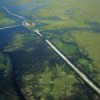
ENVIRONMENT-ARGENTINA: Privatise Wetlands to Protect Them?
The vast Esteros del Iberá wetland, in northeast Argentina, is the focus of a controversy pitting conservationist goals against business interests, with private and public entities found on both sides.DEVELOPMENT: Climate Change Deepening World Water Crisis
When U.N. Secretary-General Ban Ki-moon addressed the World Economic Forum in Davos, Switzerland last January, his primary focus was not on the impending global economic recession but on the world's growing water crisis.ENVIRONMENT-CHILE: Campaign Against Dams – and Against the Clock
On the International Day of Action for Rivers, Chilean environmental groups delivered an open letter Friday to President Michelle Bachelet describing the serious environmental, social and cultural impacts that they say are caused by large hydroelectric dams.ENVIRONMENT-CHINA: Faced With Olympian Water Shortages
Holding the Summer Olympic Games in one of the world’s driest cities poses a tough challenge for the hosts in Beijing though they have been working assiduously to ensure adequate water supplies during the events in August.EUROPE: Water Aid To Go Public, A Little
The European Commission has indicated that it will take steps to address claims that private firms have been given preferential treatment in a flagship aid programme for improving water services in Africa.DEVELOPMENT-SWAZILAND: To Relocate or Not To Relocate?
Climate change appears to have permanently altered certain areas of east and southern Swaziland, where good harvests have not been achieved for over a decade. Agriculture officials and non-governmental organisations (NGOs) now question whether these areas can still support communities.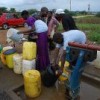
DEVELOPMENT-ZIMBABWE: Full Dams Do Not Translate Into Water Supplies
Heavy rains in Zimbabwe and in the catchment areas of its major rivers in December and January have filled most of the country’s dams to capacity. Yet, many urban households do not have water.
Q&A: "Simply Not Enough People Committed to Proper Water Management"
Following several incidents that have raised questions about water quality and distribution in South Africa, Water Affairs and Forestry Minister Lindiwe Hendricks has tried to allay fears about her department's ability to provide potable water to all South Africans.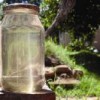
HEALTH-SOUTH AFRICA: Too Few Trained Personnel. Too Much Aluminium?
The precarious state of water distribution in Grahamstown, a city in the south-east of South Africa, was highlighted again this month when taps ran dry for almost two days (Feb. 8 and 9) in a large section of the city. Grahamstown's reticulation system has failed residents several times over the last fourteen months in terms of water quality and reliability of supplies.ENVIRONMENT: First Map of Human Impacts on Oceans Released
Oceans span nearly three quarters of the Earth's surface and despite this vast size hardly a square kilometre has been untouched by humans.
RIGHTS-BRAZIL: Pantanal Indians Threatened by Deforestation
The indigenous peoples of the central-western Brazilian state of Mato Grosso do Sul do not look like the tribes portrayed in film, decked out in colourful clothing and adornments and depending on their natural surroundings to survive in the Amazon jungle. But some of their problems are similar to their Amazonian counterparts, and in some cases even more serious.RIGHTS-NAMIBIA: Gov’t Considering Water Subsidies For Poor
The Namibian government, frequently accused of making water unaffordable to the poor, is finally taking steps to address this countrywide problem that threatens to hamper the country’s efforts to meet the eight Millennium Development Goals (MDGs) set by world leaders at a special United Nations General Assembly meeting in 2000.DEVELOPMENT: South Asia Exports Sanitation Successes
Practical solutions to the global sanitation crisis will require greater knowledge-sharing among developing nations, and also even more support for those efforts by multilateral institutions like the World Bank and United Nations, experts say.Q&A: ‘Water Meters Are Good for the Environment and Good for Wallets’
Water shortage is not uncommon in Cape Town, South Africa. For the past years the warm summer months - of November until February - saw water restrictions imposed by the city authorities. The restrictions prohibited residents from using potable water for the irrigation of lawns and gardens as well as using hosepipes to wash motor vehicles, pavements, and any movable or immovable structure.« Previous Page — Next Page »


The Week with IPS

NEXT STOP - SDGs
Tracking global progress towards a sustainable world
Tracking global progress towards a sustainable world
