Languages
Sunday, November 8, 2026



News and Views from the Global South
Opinion
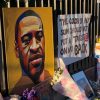
The UN’s Failure to Act on Race
Racism is not only an American problem but a plague that people of African descent have had to endure since time immemorial. Rather than seizing this historic moment to act decisively, the United Nations, the world’s highest platform for human rights, dithered on the issue when it was called on to establish a full commission of inquiry on race following the outrageous killing of George Floyd on May 25 2020.
It is a Challenge to Provide Disability-Inclusive Education. But it is Worth it
Many countries in sub-Saharan Africa get bad press for their progress in providing inclusive education. Just two in three children complete primary school on time, while the number of out-of-school children and youth is 97 million and growing. Less is said, however, about the range of tools many countries in the region are deploying to include some of those furthest behind in mainstream schools: students with disabilities.
Unlawful Use of Force by Police at Protests Across the US
Police forces across the United States have committed widespread and egregious human rights violations in response to largely peaceful assemblies protesting systemic racism and police violence, including the killing of Black people.
You’ve Got Money: Mobile Payments Help People During the Pandemic
The practical challenge of quickly getting financial support in the hands of people who lost jobs amid the COVID-19 economic crisis has baffled advanced and developing economies alike. Economic lockdowns, physical distancing measures, patchy social protection systems and, especially for low-income countries, the high level of informality, complicate the task. Many governments are leveraging mobile technology to help their citizens.
Children in Out-of-Home Care: Lessons from the Pandemic
As the world continues to struggle with the Covid-19 pandemic, the situation in institutions like prisons or care homes has shown how quickly overcrowded facilities can become a breeding ground for an infectious disease. But what about other congregate facilities like residential institutions for children, such as orphanages? What risks do they face? And how should governments be responding during - and after - this pandemic?
Latin America’s Potential Green Hydrogen Economy
The COVID-19 pandemic and crisis has led to increasing attention and clamor to redouble efforts toward an energy transition that would help the world reduce C02 emissions. In many countries of the region, how to manage hydrocarbons, but with an eye on the energy transition has only been accentuated. We believe clean hydrogen is part of that broader policy and reconstruction debate.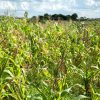
Agriculture: Rooted in Racism
There has been far less social progress in the United States in the last 155 years than many people would like to believe. In 2020, racism still seeps its way into every aspect of life; from unconscious bias and micro-aggressions in everyday interactions to domestic and international policy and enforcement.
The Foundation to Build Back Better: Education
To realize the concept of ‘build back better,’ we need a foundation. That foundation is education. This is an incontestable truth.
Helping Bangladesh Recover from COVID-19
One of the most densely populated countries in the world, Bangladesh exemplifies the triple blow that many emerging market countries have suffered from COVID-19: domestic slowdown caused by the disease and the efforts to contain its spread; a sharp decline in exports, particularly in the ready-made garment sector, and a drop in remittances. Its once robust economy has dramatically slowed in recent months.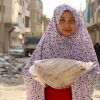
Sanctions, Amid COVID-19 Pandemic, Will Lead to Humanitarian Catastrophe
The Covid-19 pandemic has spread across the world. Although the numbers of infections and deaths vary between countries, they are increasing dramatically in some places, threatening people's health as well as the basis of their economic and social lives.
Scourge of Racism Violates UN Charter
I welcome this opportunity to speak to this urgent and necessary debate of the Human Rights Council. I bring you warm greetings from Secretary-General António Guterres, who shares your abhorrence of racism and is committed to fighting it with every tool we have.
We Should Not Aim to Return to Normal
The world before COVID-19 looks very attractive right now. In light of the disease, mass unemployment and social distancing, a return to pre-pandemic normality seems appealing. Yet we should remember what normal was.
Meritocracy Legitimizes, Deepens Inequality
How often have you heard someone lamenting or even condemning inequality in society, concluding with an appeal to meritocracy? We like to think that if only the deserving, the smart ones, those we deem competent or capable, often meaning the ones who are more like us, were in charge, things would be better, or just fine.
The Great Lockdown Through a Global Lens
The Great Lockdown is expected to play out in three phases, first as countries enter the lockdown, then as they exit, and finally as they escape the lockdown when there is a medical solution to the pandemic.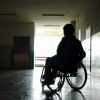
COVID-19 has Further Marginalised Persons with Disabilities
Since the beginning of the year, more than 200 nations across the globe have been affected by COVID-19. Many are still reeling under the devastating effects of the pandemic, with both public health and the global economy having taken a major blow.
Predicting COVID-19 Infection Fatality Rates Around the World
The world saw more new confirmed COVID-19 cases last week than any week to date. And as the pandemic grows, its epicenter is moving from advanced economies to more developing countries, including Brazil, India, and South Africa.
Reviving the Economy, Creating the ‘new Normal’
The Covid-19 pandemic has significantly impacted most economies in the world. Its full impacts will not be felt, let alone measured, until it runs its course. Many countries are still struggling to contain contagion, while the costs on both lives and livelihoods will undoubtedly have long-term repercussions.
A Single Seven Year Term for the UN Secretary General?
Many UN supporters expressed disappointment that Secretary General Antonio Guterres said almost nothing, until last week, about police violence against African-Americans in the United States, or about the massive protest movement that has erupted and the repressive response to the protests by US authorities and police forces.
Racism and Dominance
The #MeToo movement triggered worldwide protests that hopefully was instrumental in making people better aware of a continuous and often hidden mistreatment of women. Maybe can the current I can’t breathe movement make people realize that institutional racism is far from extinct.
Impact of COVID-19 on Women in South Asia
Prior to the onset of the coronavirus crisis South Asian women participated only sparingly in the labor market. Even though South Asia was and still has the potential to become one of the fastest growing regions in the world (post COVID19) female labor force participation rates were low at 23.6% compared to 80% for men (World Bank figures).
Target Boys to Break Menstruation Taboos
An all-male panel assembled to discuss menstrual health on International Menstrual Hygiene Day sparked outrage on social media and a flurry of memes of all-female panels discussing male issues.« Previous Page — Next Page »





The views expressed in these articles are those of the authors and do not necessarily represent the views of, and should not be attributed to, IPS-Inter Press Service

The Week with IPS

NEXT STOP - SDGs
Tracking global progress towards a sustainable world
Tracking global progress towards a sustainable world
