Languages
Thursday, July 23, 2026



News and Views from the Global South
Opinion
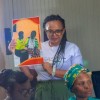
The #ChurchToo Movement: A Wake-Up Call for the Modern Church
I was researching the role of the church in addressing contemporary issues such as gender-based violence, climate change, and social justice when I came across the #ChurchToo movement—and I got really excited. Not because the stories were easy to read (they weren’t), but because this movement was a bold, necessary conversation that faith communities could no longer ignore.
A New Pope at a Pivotal Moment: Civil Society’s Hopes for Leo XIV
The new pope, the latest in a line dating back almost 2,000 years, was quickly subjected to a very modern phenomenon: no sooner had Pope Leo XIV delivered his first address than people started trawling his social media history for clues about his views. In the context of an ongoing culture war, the fact that far-right grievance entrepreneurs were quick to decry the new pope as ‘woke’ seemed reason enough for progressives to welcome him. But for civil society and the global human rights community, it’s how Leo acts that matters.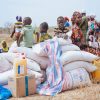
The True Cost of America’s Retreat: How USAID Cuts Threaten Millions of Lives
In January 2025, President Trump signed an executive order that upended humanitarian efforts globally, leaving millions of vulnerable people without lifesaving services. The administration's decision to slash American international aid by 83% is creating daily tragedies in the world's most fragile regions.
UN Reform – Once Again?
The UN is going through another exercise in reforming itself under immense pressure from the US, its main funder. This time US President Donald Trump has expressed himself much more forcefully and seems determined to pare down US contributions and demand further curtailing of UN expenses, while some other donors, reluctant to show their own hands, are quietly cheering on the US.
The Country with the Lowest Fertility?
Many countries around the world have a fertility rate below the replacement level of 2.1 births per woman, but one country stands out with its exceptionally low fertility rate.
UN Ocean Conference Must Inspire Global Ambition
The United Nations Ocean Conference (UNOC) takes place every three years and in just a few weeks, the international community will gather in Nice, France, at a time when the International Science Council has called for the world to address the new reality of a disrupted Earth system.
A Revolution in the Working Culture at the UN
How would the UN80 Initiative, designed to mark the 80th Anniversary of the United Nations, turned out to be, if Kamala Harris had won the American presidential election in November last year?
Will Europe Wage Peace?
With President Trump’s efforts to end the Ukraine war, Europeans are now mainly responsible for prolonging it. Despite lame protestations of peace, Europe seems committed to fighting ‘to the last Ukrainian’.
Seafood Without Transparency is a Recipe for Disaster
Seafood is a staple in my house – fish tacos, paella, sushi. But no matter how good it tastes, I can’t help but wonder: was my fish caught responsibly? Or did something go horribly wrong before it ever reached my plate?
How Should the United Nations Respond to Its Funding Crisis?
The United Nations has been called many things in its time:
A Shift in the Sands: The Reshaping of Global Influence in the Gulf
The Gulf's most powerful weapon isn't a military, a United Nations (UN) Security Council seat, or a legacy of global diplomacy. Choosing multilateralism and mega-projects over militaries and old-world diplomacy, they are tipping the scale without firing a single shot. Their approach is more modern, where money, alliances, and an active vision for the future are the weapon of choice.
From Grief to Action: Demands for Democratic Renewal in the Balkans
Three catastrophic events in the Balkans have sparked powerful movements for systemic change. A train collision that killed 57 people in Greece, a nightclub fire that claimed 59 young lives in North Macedonia and a collapsed railway station roof that left 15 dead in Serbia have ignited sustained anti-corruption protests in all three countries. These weren’t random tragedies but the culmination of systemic failure – neglected safety regulations, illegally issued permits and compromised oversight – with corruption the common denominator.
Asia-Pacific Region Moves into a Resilient Future with International Cooperation
As the United Nations celebrates its 80th anniversary, one message from the UN Charter remains particularly relevant: promoting cooperative solutions to international economic, social, health, and related problems.
Mask Off – Recapping the 2025 World Bank Land Conference
Last week, at its annual Land Conference in Washington D.C., (May 5-8), the World Bank showed allegiance to the new US administration by dropping the pretense of promoting land reform for climate action and confirming that its land agenda is about boosting corporate profits.
Bye-Bye Marriage, Hello Cohabitation
Until the middle of the 20th century, marriage between men and women was the societal norm among countries, and the cohabitation of couples was uncommon and stigmatized. In the subsequent decades, however, that situation changed significantly worldwide.
A Salt Sermon That Could Kill: When Faith Leaders Preach Misinformation
In Nigeria, salt is deeply woven into the fabric of food and culture. It brings out flavor, preserves ingredients, and enhances tradition. But recently, salt has become the centerpiece of dangerous misinformation promoted by one of Nigeria’s most powerful spiritual leaders.
A Natural Disaster that Has Affected More People Worldwide Than Any Other
Here’s a question: Over the past 40 years, what natural disaster has affected more people around the globe than any other?
The Indus Water Treaty Suspension: A Wake-Up Call for Asia–Pacific Unity ?
On April 23, India suspended the Indus Water Treaty (IWT), a 65-year-old agreement that had been a rare symbol of cooperation between India and Pakistan despite decades of hostility. The suspension came a day after militants attacked civilians in Jammu and Kashmir, a disputed region, killing 26 people, most of them Indian tourists. India accused Pakistan of supporting “cross-border terrorism” and responded by halting the treaty. Pakistan denied involvement in the attack and called India’s move an “act of war.”

Transitioning to a Circular Economy: The Future We Cannot Afford to Delay
From environmental degradation to biodiversity loss and mounting waste, we are facing the dire consequences of a reckless economic model that extracts, consumes, and discards. But there is an urgent alternative—one that is not just possible, but essential.
Rights with No Age Limit: Hopes for a Convention on the Rights of Older People
The world’s population is ageing. Global life expectancy has leapt to 73.3 years, up from under 65 in 1995. Around the world, there are now 1.1 billion people aged 60-plus, expected to rise to 1.4 billion by 2030 and 2.1 billion by 2050. This demographic shift is a triumph, reflecting public health successes, medical advances and better nutrition. But it brings human rights challenges.
From Pledges to Action: EU Ocean Leadership on the Line
If one so wished, it would be entirely possible to spend a lifetime travelling from one international environmental conference to the next, without ever returning home. But the relentless pace of these meetings does not always translate into equally rapid action.« Previous Page — Next Page »


The views expressed in these articles are those of the authors and do not necessarily represent the views of, and should not be attributed to, IPS-Inter Press Service

The Week with IPS

NEXT STOP - SDGs
Tracking global progress towards a sustainable world
Tracking global progress towards a sustainable world
