Languages
Monday, September 14, 2026



News and Views from the Global South
Opinion

Slave Trade: Gorée Island and the ‘Fragility of Freedom’
Gorée Island, off the coast of Dakar, is a somber reminder of the transatlantic slave trade. Listed as a UNESCO World Heritage Site, it embodies both the duty to remember and the challenges of passing on a painful past.
Trump Wants World to Subsidise US Empire
Donald Trump’s top economic advisor claims the President has weaponised tariffs to ‘persuade’ other nations to pay the US to maintain its supposedly mutually beneficial global empire.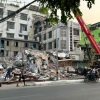
Shaken and Strained: Myanmar’s Earthquake Adding to the Misery of 4 Years of Conflict
As I walked through the streets of Sagaing and Mandalay, the scenes unfolding in the wake of the 7.7 earthquake were hard to comprehend. Tall buildings and hundreds of homes are now lying in rubble. Of those that are still standing, many are lurching at dangerous angles, defying gravity for now, but could collapse at any moment.
Hooves Vs. Habitats: Striking a Sustainable Balance Between Livestock and the Environment Is Crucial to Africa’s Future
In my country, Senegal, almost 70 percent of our land is used to graze livestock. Here and across Africa, pastoralists and livestock keepers sustain herding systems which are closely bound up with our landscapes and crucial to nationwide food security, economic growth, and ecological balance.
Bringing Resilience to the Table to Achieve Development Goals
The global risk landscape is evolving at an unprecedented pace, posing significant threats to attaining the Sustainable Development Goals (SDGs). As extreme weather, macroeconomic shocks, conflict, and other risks intensify and intertwine, they can create ripple effects that amplify existing vulnerabilities and put both human and development progress in peril.
The ‘Plastic Man’: Turning Trash into Treasure
In a quiet corner of Medina Gounass, on the outskirts of Dakar, Senegal, one man has taken it upon himself to breathe new life into a place many had abandoned.
Food Insecurity an Unprecedented Crisis Worldwide
Last year, 343 million people were experiencing acute food insecurity, according to the World Food Programme (WFP). That’s 10 percent higher than in 2023.
The Long Goodbye: The Rise of Dementia
As the world’s population of 8.2 billion people increases in size and becomes older due to demographic ageing, the number of people experiencing the long goodbye, or dementia, is rapidly rising.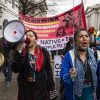
Standing Firm: Civil Society at the Forefront of the Climate Resistance
The recent US court case that ordered three Greenpeace organisations to pay damages of over US$660 million to an oil and gas company was a stunning blow against civil society’s efforts to stop runaway climate change and environmental degradation. The verdict, following a trial independent witnesses assessed to be grossly unfair, came in reaction to Indigenous-led anti-pipeline protests. It’s vital for any prospects of tackling the climate crisis that Greenpeace’s appeal succeeds, because without civil society pressure, there’s simply no hope of governments and corporations taking the action required.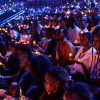
Genocide Prevention & Responsibility to Protect
April marks Genocide Prevention and Awareness Month, a time to reflect on the history, causes and victims of past genocides and to mobilize the necessary resolve to confront risks facing populations around the world today who face the threat of genocide and other mass atrocity crimes not for anything they have done, but for who they are.
Trump’s ‘Shock and Awe’ Tariffs
US President Donald Trump has again seized global attention by arbitrarily imposing sweeping tariffs on the rest of the world. He reminds us America is still boss, claiming to ‘make America great again’ (MAGA) by ensuring ‘America first’ at everyone else’s expense.
Is it Time to Say RIP to the SDGs?
Is it only a decade since the Sustainable Development Goals (SDGs) and the Paris Agreement on climate change were agreed? The two deals were inked to a groundswell of hope.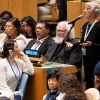
How to Ensure Election of the First Woman Secretary-General: A Daunting Challenge Before the United Nations
On 21 March 2025, the 69th session of the Commission for the Status of Women, popularly referred to as the CSW69, concluded its two-week-long annual meet which commenced on 10 March.
Turkey’s Democratic Uprising: A Generation Takes a Stand
In the heart of Istanbul, a remarkable transformation is underway. What began as student protests following the politically motivated arrest of Mayor Ekrem İmamoğlu has evolved into Turkey’s most significant pro-democracy mobilisation in years. The streets that once pulsed with the routine of daily life now throb with the energy of millions demanding a return to democratic governance.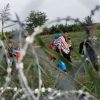
Migrant Smuggling: Europe Must Make a U-Turn
Europe must understand that the only reasonable and humane way to tackle migrant smuggling is to open regular routes for people to reach Europe in safety and dignity.
South Korea’s Rapid Aging Doesn’t Have to Be Economic Destiny
Strong economic fundamentals and sound macroeconomic policies have helped the Korean economy through multiple shocks in recent years. However, potential growth has slowed more quickly than in other major advanced economies, and the economic expansion is likely to moderate this year.
A Pressure on Silicon Valley: Is the U.S. Ready for a Shift in Tech Dominance?
While the U.S. argues over tariffs, China, Japan, and South Korea are quietly reshaping their tech markets, shifting towards regional dominance – signaling a potential turning point in global tech leadership.
A Make-or-Break Moment for Global Development Finance—& the Role Philanthropy Must Play
This June, world leaders will gather in Seville for the Fourth International Conference on Financing for Development (FfD4), a milestone opportunity to reimagine how the global economy delivers for people and the planet. But the real question isn’t whether this historic convening will happen. It’s whether it will matter.
The Current Plight of Haitians: Interview with a Mason in the Dominican Republic
On March 18, the first plane with deportees from the US landed in Cap-Haïtien. Of the 46 passengers, 25 were convicted felons. Taking effect on April 24 the US Department of Homeland Security will revoke the temporary legal status of more than 210,000 Haitians. They had by the Biden administration been granted a safe haven, but all these Haitians are now expected to be deported back to a country immersed in a humanitarian crisis.
Healthy Beginnings, Hopeful Futures
Education is an essential investment in providing health to those left furthest behind. On World Health Day, we must connect the dots between education and health in humanitarian crisis settings. A child attending school gets vaccinations and healthcare, a nutritious meal and mental health and psychosocial services. By funding education, we optimize our investments to cover multiple sectors in one investment, such as health.
Digital Democracy at a Crossroads. Key Takeaways from RigthsCon2025
In an increasingly digital world, democratic practices are evolving to encompass new forms of participation. Digital democracy – the use of technology to enhance civic action, movement building and access to information – has become a crucial force in shaping local and global political landscapes.« Previous Page — Next Page »


The views expressed in these articles are those of the authors and do not necessarily represent the views of, and should not be attributed to, IPS-Inter Press Service

The Week with IPS

NEXT STOP - SDGs
Tracking global progress towards a sustainable world
Tracking global progress towards a sustainable world
