Languages
Saturday, November 7, 2026



News and Views from the Global South
Opinion

From Dorms to Demonstrations
The campus protests that have spread to universities in every part of the United States are not about the war between Israel and Hamas, despite the heated rhetoric around this topic. Most of the students who are protesting know little about the conflict, its history and its ramifications for international politics.
Chronicle of a Catastrophe Foretold
The IMF warns of a decade ahead of ‘tepid growth’ and ‘popular discontent’, with the poorest economies worst off. But as with inaction on Gaza, little is being done multilaterally to avert the imminent catastrophe.
Educating the Mind Without Educating the Heart is No Education at All
The words above, by the ancient Greek philosopher Aristotle, serve as a reminder that we still have a long way to go to in educating ourselves. In doing so, we will naturally ensure that the young generation can access an inclusive quality education and use their knowledge to build a world of justice, equity, peace and security.
South Africa will be President of G20 in 2025: Two much-needed Reforms it Should Drive
South Africa will play an important international role in 2025 as president of the G20. The G20 is a group of 19 countries as well as the African Union and the European Union. Between them they represent 85% of global economy, 75% of world trade and 67% of global population. The G20 defines itself as the premier multilateral forum for international economic cooperation.
The World Must Not Abandon the Mothers of Gaza
As millions of children and families celebrate their mothers, my thoughts turn to the pregnant women and new mothers our teams at UNFPA, the United Nations sexual and reproductive health agency, support in more than 130 countries around the world. And I hold in my heart all those who, tragically, will never live to see their newborns.
Biden ‘Moving the Goal Post’ With Threat to Withhold Bombs from Israel
While some Palestine defenders on Wednesday welcomed U.S. President Joe Biden's threat to withhold bombs and artillery shells from Israel if it launches a major invasion of Rafah, critics noted that an invasion is already underway and accused the American leader of walking back a previous "red line" warning against an Israeli assault on the southern Gaza city.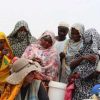
The Bleak déjà vu in Darfur
As dawn breaks over Darfur, my return after two decades feels heavy. Many millions are suffering once again. Twenty years ago, I was part of the humanitarian effort to make a difference. That was in the early 2000s, when celebrities and world-famous journalists would make the trek in a well-intentioned effort to focus attention on the atrocities across Darfur.
Choose Hope: Standing at the Crossroads of the Future
We are at the tipping point in human history, facing major existential crises. The conflict between Russia and Ukraine has heightened the risk of a nuclear weapon being used since the Cold War. Furthermore, the climate crisis is accelerating. In these crises, the most affected are those in vulnerable situations.
Trade Liberalisation Kicked Away African Development Ladder
Africans have long been promised trade liberalisation would accelerate growth and structural transformation. Instead, it has cut its modest production capacities, industry and food security.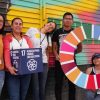
How do Taxes Drive the Sustainable Development Goals?
Tax revenue remains the most sustainable source of income for governments and plays a crucial role in financing the Sustainable Development Goals (SDGs). It diminishes the need for international assistance and contributes to the repayment of burdensome debt, ultimately strengthening a country’s ability to withstand external shocks.
Many African Nations Making Progress in the Rule of Law
The United Nations Office of Rule of Law and Security Institutions (OROLSI) supports the promotion of the rule of law, security, and peace in conflict-affected countries.
Civil Society Scores LGBTQI+ Rights Victory in Dominica
On 22 April, Dominica’s High Court struck down two sections of the country’s Sexual Offences Act that criminalised consensual same-sex relations, finding them unconstitutional. This made Dominica the sixth country in the Commonwealth Caribbean – and the fourth in the Eastern Caribbean – to decriminalise same-sex relations through the courts, and the first in 2024.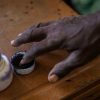
Disinformation in the Super Election Year
The year 2024 seems to be a year of big decisions. The European Parliament elections in June and the US presidential election in November… politics and the media are talking of a showdown between democracy and disinformation. Add the elections in Russia and India to that and almost half of the world’s population will be casting their vote this year.
How Israel Has Used US Weapons to Commit War Crimes
The report from Amnesty International USA comes ahead of a May 8 deadline for the Biden administration to certify that Israel is complying with international and domestic laws.
Press Freedom and Climate Journalism: United in Crisis
Journalism is in crisis, again. The challenges to press freedom are enormous and multi-faceted and they are deepening -- in “free” and open societies as well as autocracies. And there are no simple solutions. For individuals and entire media outlets the crisis is existential.
Gaza Journalist Describes 33 Harrowing Days in Israeli Custody
Diaa Al-Kahlout, the veteran Gaza bureau chief for the Qatari-funded London-based newspaper Al-Araby Al-Jadeed, had been covering the Israel-Gaza war for two months when he became part of the news.
The Tragic Death of Palestinian Journalists
It is only fitting, against the backdrop of World Press Freedom Day, to recount the horror being inflicted on journalists and reporters around the world, which is increasing day by day. To tell the story of the mounting death of journalists in Gaza, it is essential to put into perspective the plight of journalists around the world.
‘I Couldn’t Remain Silent’: Son Fights for Uyghur Journalist’s Release from Chinese Prison
The last time Bahram Sintash saw his journalist father was in 2017. Qurban Mamut, an influential Uyghur editor had come to the United States for a visit but upon his return to Xinjiang in northwest China, he disappeared.
Latin America’s Shifting Demographics Could Undercut Growth
Latin America’s workforce grew by nearly 50 percent in the two decades before the pandemic, helping boost economic growth. Now demographic trends are turning, and likely to weigh on growth in the coming years.
Gaza Teetering on the Brink of Mass Starvation
As we pass 200 days of war, the population of northern Gaza is teetering on the brink of mass starvation. Oxfam analysis found that the 300,000 people in northern Gaza had been forced to survive on an average of 245 calories per day from January to March—less than a single can of beans, and well below the recommended daily intake of 2,100 calories.
Harnessing Science-Policy Collaboration: The Vital Role of IPBES Stakeholders in Achieving Global Nature Targets
In December 2022, the fifteenth meeting of the Conference of the Parties to the Convention on Biological Diversity (CBD) saw governments worldwide unite behind a set of ambitious targets aimed at addressing biodiversity loss and restoring natural ecosystems, through the Global Biodiversity Framework – known now as the Biodiversity Plan.« Previous Page — Next Page »





The views expressed in these articles are those of the authors and do not necessarily represent the views of, and should not be attributed to, IPS-Inter Press Service

The Week with IPS

NEXT STOP - SDGs
Tracking global progress towards a sustainable world
Tracking global progress towards a sustainable world
