Languages
Tuesday, October 13, 2026



News and Views from the Global South
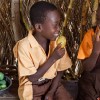
Is Cash Aid to the Poor Wasted on Tobacco and Alcohol?
Not at all. Or at least not necessarily. The fact is that cash transfer programmes –regular money payments to poor households—are meant to reduce poverty, promote sustainable livelihoods and increase production in the developing world. One in four countries on Earth are applying them. But are they effective?
When Your Healers Become Your Killers
There is a major though silent global threat to human and animal health, with implications for both food safety and food security and the economic well-being of millions of farming households. It is so-called anti-microbial resistance.
Trump, the Banks and the Bomb
When pro-nuclear disarmament organisations last October cheered the United Nations decision to start in 2017 negotiations on a global treaty banning these weapons, they probably did not expect that shortly after the US would elect Republican businessman Donald Trump as their 45th president. Much less that he would rush to advocate for increasing the US nuclear power.
Poor Darwin – Robots, Not Nature, Now Make the Selection
When British naturalist Charles Darwin published in 1859 his theory of evolution in his work On the Origin of Species, he most likely did not expect that robots, not nature, would someday be in charge of the selection process.
“Bonn Has Become an Insider Tip on the International Stage”
With around 320,000 inhabitants on 141 square kilometres, no other relatively small city has played such a historically critical role like the City of Bonn.
Battle of the Desert (and III): UNCCD ‘s Louise Baker on The Silk Road
Marking this year's World Day to Combat Desertification last June, the United Nations announced the launch of a China-United Nations Convention to Combat Desertification (UNCCD) Belt and Road Joint Action initiative to curb Desertification along the Silk Road.
Children of the ‘Others’, Sons of Minor Gods
In December 1946, “faced with the reality of millions of children suffering daily deprivation in Europe after World War II,” the General Assembly of the United Nations created the UN International Children’s Emergency Fund (UNICEF), to mount urgent relief programmes.
Battle of the Desert (II): A ‘Great Green Wall for Africa’
Desertification, land degradation, drought, climate change, food insecurity, poverty, loss of biodiversity, forced migration and conflicts, are some of the key challenges facing Africa—a giant continent home to 1,2 billion people living in 54 countries.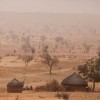
Battle of the Desert (I): To Fight or to Flee?
To fight or to flee? These are the stark choices Maria, a single mother from the Bangalala midlands of Tanzania, faces repeatedly. “After the rains failed for a few years, some neighbours claimed our trees were drawing too much water from the ground. We cut them down. Our harvests fell. My mother closed her stall at the local market. That is when my father and I moved from the midlands to the Ruvu Mferejini river valley.”
Trump – The Symptom
The electoral victory of U.S. Republican Donald Trump -- many have said -- is an alarming signal that heralds new, difficult times. Maybe. Anyway, this victory could –and should-be seen as a symptom not as a disease.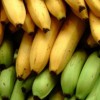
Did You Try Out Rosemary’s Ceci or Makhlouta with Banana Bread?
The original inhabitants of Planet Earth already knew—and still know how to eat healthy. Modern, urbanised and industrialised people mostly not. Anyway, life can be made easier than one may think. Just see what a world leading specialised body in the field of food and nutrition advises on what to eat and even how to cook it.
World to Cut Gas Emissions by 25 Percent More Than Paris Agreement
On the eve of the entry into force of the Paris Agreement today Nov. 4, the United Nations sounded new climate alarm, urging the world to ‘dramatically’ step up its efforts to cut greenhouse gas emissions by some 25 per cent more.
Toxic Air – The ‘Invisible Killer’ that Stifles 300 Million Children
About 300 million children in the world are living in areas with outdoor air so toxic – six or more times higher than international pollution guidelines – that it can cause serious health damage, including harming their brain development.
Dying to Get to Europe
They are not just data or numbers for statistical calculations. They are desperate human beings fleeing wars, violence, abuse, slavery and death. They hear and believe the bombastic speeches about democracy and human rights and watch the many images of welfare and good life in Europe.
Climate Doomsday – Another Step Closer
Almost inadvertently, humankind is getting closer everyday to the point of no-return towards what could be called the ‘climate doomsday’. Now, globally averaged concentration of carbon dioxide (CO2) in the atmosphere has surged again to new records in 2016… and will not dip below pre-2015 levels for many generations.
What Happens When a Small Farmer Migrates?
Now that world attention is focused on the fast growing process of urbanisation, with 2 in 3 people estimated to be living in towns and cities by the year 2030, an old “equation” jumps rapidly to mind: each time a small farmer migrates to an urban area, equals to one food producer less, and one food consumer more.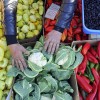
Low Food Prices: Good for Your Pocket, Bad for Small Farmers
What would be your reaction if you were told that food prices are steadily declining worldwide? Good, very good news, you may say. But do the 600 million small, family farmers, those who produce up to 80 per cent of food in some regions, think the same way? Definitely not at all.
‘The Earth Is Not Flat; It Is Urban’
When the United Nations elaborated its latest report on the impact of what it calls “the dramatic shift towards urban life,” it tried to draw a balanced portrait of both the opportunities and the challenges of the fact that 1 in 2 world inhabitant already lives in urban areas and what this implies.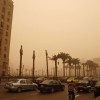
Take a Deep Breath? But 9 in 10 People Worldwide Live with Excessive Air Pollution!
The warning is sharp and the facts, alarming: 92 per cent of the world’s population live in places where levels exceed recommended limits. And 6.5 million people die annually from air pollution.
Believe It or Not, Pulses Reduce Gas Emissions!
Lentils, beans, chick peas, and other pulses often produce negative “collateral social effects" on people hanging around, just a couple of hours after eating them. But, believe it or not, they contribute to reducing greenhouse gas emissions. How come?
Ships Bring Your Coffee, Snack and TV Set, But Also Pests and Diseases
“Every evening, millions of people all over the world will settle into their armchairs to watch some TV after a hard day at work. Many will have a snack or something to drink…« Previous Page — Next Page »





The Week with IPS

NEXT STOP - SDGs
Tracking global progress towards a sustainable world
Tracking global progress towards a sustainable world
