Languages
Sunday, November 22, 2026



News and Views from the Global South
Health
RIGHTS: U.S. Downplays Report on Guantanamo Prisoner Abuse
U.S. officials Tuesday insisted that detainees held at the U.S. naval base at Guantanamo Bay, Cuba have been treated ''humanely,'' despite a Red Cross report that concluded interrogators were using psychological and physical techniques that were ''tantamount to torture''.HEALTH-CHILE: Tobacco Industry Pressure Vs. Non-Smokers’ Rights
Cigarettes kill 14,000 people a year in Chile, which has one of the highest smoking rates in Latin America. But despite these facts, the country's anti-smoking legislation is weak, and attempts to bolster it have been hindered by pressure from large tobacco companies, according to lawmakers and consumer rights groups.WORLD AIDS DAY: Innovative Initiatives in Spain
Madrid Positivo, a Spanish non-governmental organisation that helps homeless people and others living with HIV/AIDS kick their drug habit, while curbing the spread of AIDS, awarded its annual prizes Monday for outstanding efforts in the fight against the disease.DEVELOPMENT: Plant a Landmine, and Reap Years of Destruction
As the Nairobi Summit on a Mine-Free World got underway Monday in Kenya, the situation of people like Monica Piloya from Uganda was at the top of the agenda.
HEALTH-SOUTHERN AFRICA: HIV/AIDS May be Undermining Democracy
The figures speak volumes. Between 1999 and 2003 almost 1.5 million of about 20 million registered voters in South Africa were removed from the voters’ roll because they had died – most, it appears, from AIDS-related diseases.HEALTH: Tobacco Companies, the Masters of Deceit – Journal
Finally, the world has a stark picture of the plots hatched by tobacco multinationals to lure Asians to smoke.HEALTH: Goodbye to Cheap Indian AIDS Drugs?
As India moves to meet a New Year's Day deadline to comply with the Trade Related Aspects of Intellectual Property Rights (TRIPS) regime of the World Trade Organisation (WTO) the cheap, generic anti-AIDS drugs that this country is famed for could be a thing of the past.HEALTH-KENYA: Women Prime Targets for HIV
Kenyan health officials have expressed concern about the fact that women in the East African country are more vulnerable to AIDS than men, and that the gap between men and women as regards new HIV infections appears to be widening.BURMA: Hidden Weapons of War Continue Cruel Maiming
Refugee camps along the Thai-Burmese border reveal more than the tale of villagers fleeing their homes to escape the bullets of the Burmese army. They also offer a glimpse into the pervasive use of landmines as a weapon of war.WORLD AIDS DAY: Profits Delay Cheap Canadian Drugs
The highly touted Canadian plan to export cheap medicines to poor developing countries fighting HIV/AIDS and other health emergencies, hailed by Prime Minister Paul Martin in his June re-election campaign as a bold achievement, is in trouble over profits for participating drug makers.HEALTH: Girl Power Needed to Fight AIDS
The poor urgently need a female-centred strategy to fight AIDS, says a landmark new report.HEALTH-NIGER: Enlisting Men in the Fight Against Fistula
When poverty and traditional practices collide in Niger, the results can be ruinous – particularly for teenage girls.VENEZUELA: Cuban Doctors Bring Health Care to Slums
When one of Gladys' three children falls ill in Los Jardines del Valle, a poor neighbourhood on the southwest side of Caracas, she no longer has to hike down the steep hill from the narrow street where she lives, to find medical assistance.HEALTH: The Cost of Dying Without Having Been Born
Martín died of an unidentified illness at 11 months of age in the southern Mexican state of Chiapas, but there is no record that he ever even existed. The same fate befalls millions of people who live in countries that have no way of gathering accurate figures on numbers and causes of deaths.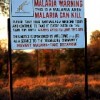
HEALTH-SOUTHERN AFRICA: With the Rains, Comes Malaria
In the blistering summer heat, slow-gathering clouds that promise rain are welcomed by farmers in Zimbabwe and other water-scarce countries in Southern Africa. Yet the rains – when they come – also worsen the incidence of malaria.POLITICS-NAMIBIA: Tough Challenges Await the New Government
As preliminary results for Namibia's general elections started trickling in Thursday, Hifikepunye Pohamba of the ruling South West Africa People's Organisation appeared to have taken an early lead in the presidential poll.HEALTH: Presidents Spread a Mosquito Net
Malaria is billed as top priority in a new health initiative being launched in Africa this week.ENVIRONMENT-UGANDA: Stop That Noise!
A promotions van drives by, its four loud speakers blaring news of a concert that is scheduled to take place over the weekend.HEALTH: Latin America Cannot Meet Millennium Development Goals Alone
Latin America will not achieve the Millenium Development Goals (MDGs) for health indicators unless its governments demonstrate the necessary political will and the industrialised North provides the region with more support, according to the executive secretary of the U.N. Economic Commission for Latin America and the Caribbean (ECLAC), José Luis Machinea.CENTRAL AMERICA: Workers Left Sterile by Pesticide Seek Justice
A new lawsuit filed by thousands of Costa Rican banana workers against U.S. companies is the latest in a so-far unsuccessful series of claims against the use of Nemagon, a pesticide widely associated with sterility and cancer.
HEALTH-SOUTHERN AFRICA: HIV/AIDS Burden on Women Grows
‘’We cannot have women carrying hospital beds on their heads,’’ says Quinton Mageza of global charity ActionAid International, referring to the growing army of women and girls playing the role of nurse at home for relatives living with HIV/AIDS.« Previous Page — Next Page »


 Bangladesh: Sarid, born one month early, receives specialized newborn care and grows stronger every day. Credit: UNICEF/UNI944397/Mojumder
Since the onset of the 2000s, global life expectancy has seen an overall rise, attributed to significant technological and scientific innovations in healthcare. Due to an increased understanding of different conditions as well as a rise in cooperation among healthcare experts around the world, there have been major strides made in ensuring that as few people die from chronic illnesses as possible. Despite the belief that healthcare is a fundamental human right, people from low- or middle-class backgrounds, marginalized groups, and underdeveloped countries have far more limited access to basic healthcare services.
The COVID-19 pandemic showed how marginalized communities are disproportionately affected by health crises, proving that we have much work to do in ensuring that no one dies of terminal conditions. While the global response to the coronavirus saw significant strides in immunization and vaccine development, the global outbreak of mpox in 2022 and its upsurge in parts of Africa in 2024 must remind us to remain vigilant.
Other major disease outbreaks in recent years have been linked to the destruction of infrastructure during warfare. Notably, in 2024, the Gaza Strip witnessed a return of the poliovirus since its eradication in the region 25 years ago. Israel’s blockade on Gaza has resulted in the collapse of the region’s sewage plants and desalination plants, and also destroyed healthcare capacities. The UN stated that this lack of clean water and sanitation would lead to an outbreak of cholera and other deadly infectious diseases. The 2026 OCHA Humanitarian Situation Report confirmed that the over two years of conflict in Gaza has produced a catastrophic health emergency, with millions remaining dependent on relief aid amid tight restrictions and no functioning public health system.
IPS is committed to providing full and comprehensive coverage on healthcare challenges around the world. IPS seeks to address the multifaceted causes of such challenges, including unprecedented pandemics, conflict-driven disease outbreaks, as well as socioeconomic barriers to equal healthcare access. IPS is also dedicated to reporting on innovations in the healthcare industry.

The Week with IPS

NEXT STOP - SDGs
Tracking global progress towards a sustainable world
Tracking global progress towards a sustainable world
