Languages
Sunday, November 8, 2026



News and Views from the Global South
Development & Aid

Egyptian Parliament Moves to Strengthen Support for People with Disabilities and the Elderly
In a significant move to address the challenges faced by people with disabilities and the elderly, six Egyptian parliamentary committees met in Cairo on October 12 to discuss national strategies and legislative efforts.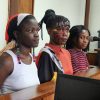
Meet the Young Women Arrested for Fighting Corruption in Uganda
Until recently, Margaret Natabi would never have dreamed of taking her anti-corruption fight on the streets of Uganda’s capital, Kampala.
Syrian Displaced Children Go Hungry, Stunting Their Growth
Children in northern Syria are suffering from hunger, illness, and malnutrition as a result of poverty, poor living conditions for most families, and the collapse of purchasing power amid the soaring prices of all essential food commodities. Displacement and a lack of job opportunities make this worse.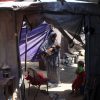
69 Years of Development in Gaza Erased by Israel-Hamas War
The second of the polio vaccination campaign in Gaza has yielded relative success, as so far more than 420,000 children have been vaccinated since the second round of immunizations began one week prior. This exception stands out as the uptick in airstrikes and sustained blockages of aid give humanitarian organizations cause for concern for the deterioration of Gaza, especially in the north.
The IMF Just Made the Case for its Own Irrelevance
This month, the International Monetary Fund (IMF) had an opportunity to end one of its most reviled policies and lift billions of dollars of debt off the backs of crisis-stricken developing countries. It chose not to.
Another Nobel for Anglocentric Neoliberal Institutional Economics
New institutional economics (NIE) has received another so-called Nobel prize, ostensibly for again claiming that good institutions and democratic governance ensure growth, development, equity and democracy.
UN Announces Embargo on Arms in Haiti
On October 19, the United Nations (UN) Security Council unanimously voted to expand an arms embargo in an effort to combat the high levels of gang violence that plagues Haiti. Armed groups have taken control of the majority of Port-Au-Prince, the nation’s capital, leading to numerous clashes with the local police. Humanitarian organizations hope that this embargo will prevent Haitian gangs from accessing illicit weapons and munitions unchecked.
COP16 – Is This Our Last Chance to Save Nature?
As COP16 approaches, we have been reflecting on the state of our planet in 2024; the word "crisis" feels insufficient to describe the devastation we're witnessing.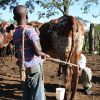
Capacity Building Is Key to Africa’s Digital Sequencing Success Story
Christian Tiambo has always wished to uplift local farmers’ communities through cutting-edge science. As climate change wreaked havoc on local agriculture, Tiambo, a livestock scientist at the Centre for Tropical Livestock Genetics and Health (CTLGH) and at the International Livestock Research Institute (ILRI), focused on conserving and developing livestock that could withstand environmental stress.
Salt: Bangladesh Communities On the Frontline of Climate Change
Global warming has far-reaching effects, and certain countries, particularly those with low lying coastal regions, are more vulnerable than others. Bangladesh, the largest delta in the world, is at the forefront of the global warming crisis. Its coastal areas are increasingly exposed to rising sea levels, natural disasters, and salinization, all of which have devastating effects on its population.
Beyond the Headlines: The Hidden Impact of Flooding on Agriculture and Soil Health
Hurricanes Helene and Milton resulted in record-setting rain, flooding, and flash flooding events across several states, including Florida and North Carolina, leaving devastating impacts on people, communities, and infrastructure that will require many years of rebuilding and recovery.
The Future of Food Security Lies Beyond COP29’s Negotiation Tables
Climate change has thrown our food systems into chaos. Extreme weather events and dramatic climate variations are hammering food production and supply chains across the world. As global leaders gear up for COP29, there’s plenty of buzz about climate action. But can we really expect these slow-moving, bureaucratic negotiations to deliver tangible and swift results to decarbonize and insulate our agri-food systems? Most likely not. But do not despair. While the COP29 talks unfold, crucial climate solutions for transforming food systems are already taking root on the ground.
Aid Blockades Signal Trouble for Gaza Ahead of Winter
On October 15, the World Health Organization (WHO) announced the beginning of the second round of Gaza’s polio vaccination campaign. Over the last week, the Palestinian Ministry of Health, in partnership with WHO, the United Nations Children’s Fund (UNICEF), and the United Nations Relief and Works Agency for Palestine Refugees in the Near East (UNRWA), has managed to vaccinate over 181,000 children under the age of ten in Gaza.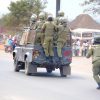
A Glimpse into Tanzania’s Political Turmoil Ahead of 2025 Election
At a rally to mark International Youth Day on August 12 in Tanzania’s southern Mbeya region, John Mnyika stood with a determined expression, addressing his supporters. The air was charged with anticipation. Mnyika, the Secretary-General of Tanzania’s opposition party, Chadema, was preparing to speak about the upcoming elections when the chaos erupted. Without warning, heavily armed police officers stormed the event, grabbed Mnyika, and dragged him away.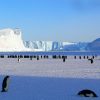
Biodiversity Goal Can Be Achieved in the Southern Ocean
COP16, the much-anticipated follow-up talks to the 2022 Kunming-Montreal Global Biodiversity Framework (GBF) agreement, which aims to reverse an alarming loss of nature on land and sea, opens in Cali, Colombia.
Overlapping Crises Hinder Global Social Development and Poverty Reduction
Social development in a global context shows the risk of trending downwards and not recovering if countries do not minimize the long-term impacts of multiple crises and work towards building up their resilience. As much as this will require national political will, it will also need global cooperation for it to be possible.
A Pact for the World’s Poorest
Last month, world leaders gathered at the time of the UN General Assembly in New York and agreed on a pioneering Pact for the Future. This global accord has implications across a broad range of issues that affect every country. It offers much hope for the poorest and most vulnerable countries on the planet, known as Least Developed Countries (LDCs).
Attacks on Aid Personnel in Lebanon Impede Relief Efforts
In the midst of Israel’s ground incursion of southern Lebanon, frequent airstrikes have demolished civilian infrastructure, which is only contributing to the increasing rates of civilian casualties and displacement. Humanitarian organizations fear that conditions in Lebanon will soon resemble those of Gaza if a ceasefire isn’t reached soon.
Transparency and Inclusion: The Keys to Successful 30×30 Conservation
Two years ago world leaders from nearly 200 countries made a landmark commitment to protect and conserve at least 30% of the planet's land, ocean, and freshwater by 2030 - an initiative known as "30x30".
Race to Close Global Climate Finance Gaps Amid Escalating Climate Risks
The impact of climate change continues to devastate economies worldwide, creating a pressing need for all countries to significantly increase international climate finance. To drive critical action towards reduced climate risks and sustainable economic growth calls for expanded access to affordable, predictable finance at scale.
Sustainable Food Production is Imperative for a Healthy Planet
Food waste has been a pressing concern for environmentalists and humanitarians for decades. The Food and Agriculture Organization (FAO) estimates that approximately one third of all global food products end up in landfills, equating to roughly 1.3 billion metric tons. Conversely, according to the Asia-Pacific Economic Cooperation (APEC), about 3 billion people lack access to nutritious or sufficient amounts of food that will sustain a healthy diet. Additionally, food waste has been a leading factor in environmental degradation since the start of the industrial revolution, with food in landfills releasing millions of metric tons of carbon emissions into the atmosphere yearly.« Previous Page — Next Page »





 2026 High-level Political Forum on Sustainable Development. Credit: UN Photo/Eskinder Debebe
In 2015, the United Nations and its Member States adopted the Sustainable Development Goals (SDGs) in an effort to make the world a more sustainable and peaceful place for future generations. Progress on the 17 SDGs has been uneven, and inequality persists across the globe. 10 years after adoption, the 2025 UN SDGs Report revealed that only 35% of the SDG targets are on track, with more than half moving too slowly, and 18% moving backwards from the 2015 baseline. Poverty remains one of the world’s most pressing issues, with hunger, violence, and inequality impeding the opportunities for all people to achieve success. In September 2024, the United Nations Summit of the Future introduced a new goal: to eradicate global poverty by 2030, ensure universal rights to basic services, and increase the overall standard of living in terms of industrialization, economic well-being, citizen health, and literacy. Furthermore, recent shifts in United States foreign aid policy – notably, major budget cuts to USAID and the termination of thousands of development programmes– have severely threatened vital lifelines of financial aid to impoverished communities around the world. Additionally, the United States’ withdrawal from the Paris Climate Agreement has undercut international efforts at sustainable development. With the upcoming 2030 deadline, the UN Secretary-General has called for urgent multilateralism across six priority areas: food systems, energy, digital connectivity, education, jobs and social protection, and climate and biodiversity. IPS sheds light on marginalized communities that struggle on a daily basis to survive and have their stories heard and respected.
Updated by Yilan Batista and Shuli Wong August 2026

The Week with IPS

NEXT STOP - SDGs
Tracking global progress towards a sustainable world
Tracking global progress towards a sustainable world
