Languages
Thursday, October 22, 2026



News and Views from the Global South
Conservation

The Time for a Decade of Island Resilience is Now
As biodiversity loss including ocean degradation, pollution and climate change threaten our planet, islands, and particularly global small island nations, often don't get the spotlight they deserve. Often labeled as vulnerable, the world’s small island nations are in fact powerful beacons of resilience.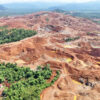
The Dangers of Green Mining
Even amidst the regressive resistance of the current U.S. administration, the world is shifting toward a green energy future. As governments pledge to phase out fossil fuels, companies tout electric vehicles, and financiers pour billions into solar, wind and batteries, it seems the necessary transition from fossil fuels to clean energy is finally picking up pace.
Community Volunteers Working to Safeguard Bangladesh’s Last Wild Elephants
When wild elephant herds come down from the hills in search of food, Sona Miahm, with community volunteers, steps forward to help prevent human-elephant conflicts.
Global Forest Loss: Far Off Track From Global Commitments
The Forest Declaration Assessment 2025 warns that global forest loss remains alarmingly high, with little sign of improvement.
Darjeeling’s Wake-Up Call: Expert at IUCN Congress Calls for Agile Climate Finance
As global conservation leaders gather in Abu Dhabi for the IUCN World Conservation Congress, communities in the hills of Darjeeling, thousands of kilometers away, are still counting their losses. In early October, heavy rains triggered deadly landslides that buried homes, blocked key roads, and left several people dead. The destruction has once again exposed how vulnerable India’s mountain regions are to extreme weather.
Science-Informed Policy Action Key to Biodiversity Conservation
Global biodiversity is disappearing at breakneck speed and, in the process, threatening the future of humanity. The loss is not a future threat but a present crisis that Dr. Luthando Dziba, the new Executive Secretary of the Intergovernmental Platform on Biodiversity and Ecosystem Services (IPBES), believes can be tackled with science-based policy action.
From Storm to Strength: Odisha’s “Zero Casualty” Model for Community-Centered Disaster Resilience
South Asia is home to nearly two billion people and ranks among the most disaster-prone subregions in Asia and the Pacific. Every year, millions face exposure to floods, cyclones and other extreme events. The Bay of Bengal alone accounts for nearly 80 per cent of global cyclone-related deaths, with storms striking Bangladesh, India and Sri Lanka with growing frequency.
The Ranch Fighting to Save Nigeria’s Endangered Drill Monkeys
For the past 23 years, Gabriel Oshie has started his mornings at Drill Ranch in the Afi Mountain Wildlife Sanctuary, Boki, Cross River state, southern Nigeria.
It’s Past Time to Make Polluters Pay
I was 16 years old when Super-Typhoon Haiyan tore through my community in Eastern Samar in the Philippines. It remains one of the deadliest storms in history, killing more than 6,000 people and displacing millions. My community lost everything: Loved ones, family homes and land, our ways to earn a living and rebuild, and our sense of safety all vanished overnight.
UN80 – Is it time for the Re-emergence of the Global Ministerial Environment Forum?
“We shall have to do more with less” was the summary message from a meeting in Oslo, Norway, this spring (2025), where the Minister of Foreign Affairs of Norway, Espen Barth Eide and Guy Ryder, Under-Secretary-General for Policy at the UN and Chair of UN80, both spoke about UN80 and the necessity to reform the UN.
146 Land and Environmental Defenders Killed or Disappeared in 2024
At least 146 land and environmental defenders were murdered or forcibly disappeared in 2024 for standing up against powerful state and corporate interests, according to a new report released by Global Witness.
Better Use of the World’s Expertise in Navigating the Polycrisis
Other articles in this series on clustering conventions that are addressed by the Triple Environmental Crisis of pollution (Stanley-Jones), biodiversity (Schally) and climate change (Azores) I have touched on the idea of clustering not only conventions but the science-policy bodies established separately to serve them. We address the question of the negative consequences of maintaining status quo and identify how “consolidating knowledge” might make a difference.
Kerala’s Human-Elephant ‘Conflict’: Time To Understand a Complex Relationship
In the early part of this year, two deaths in Kerala garnered major media attention. A farmer in Wayanad and a female plantation worker in Idukki were killed in two separate events, within a matter of a few days, by wild elephants. Arikomban, another wild elephant, has become a media favorite recently due to his brushes with human settlements near his habitat. Named so because of his love for ari (rice), the elephant had been relocated from Kerala to Tamil Nadu in 2023 following constant protests from people who also claimed him to be ‘life-threatening.’ Kerala's news outlets widely covered Arikomban's relocation.
The Debacle of the Global Plastics Treaty Negotiations –& Some Ideas for a Way Forward
The debacle that was the latest round of negotiations for a global treaty on plastics (including in the marine environment); known as “INC 5.2” has already been written about at length by many colleagues on all sides of the issues. Despite all the very informative posts, articles, and other analyses, I believe I have several key observations to make, particularly about the process to-date.
UN 80 – Clustering the Climate Conventions
The international governance of environmental challenges has progressively evolved over the past decades, transitioning from isolated treaties addressing specific issues to a complex web of multilateral agreements that aim to foster sustainable development and environmental integrity.
Intensified Legal, Political, and Grassroots Battles Over Amazon Oil Expansion
A report has warned about the risks of expanding oil and gas exploration in the Colombian Amazon, which may undermine environmental goals, Indigenous rights, and long-term economic stability, unless the government pivots toward sustainable development pathways.
Zanzibar’s Blue Economy Offers Hope Amid Rising Seas and Gender Inequity
At dawn on the white-sand shores of Jambiani, 45-year-old Saada Juma braces herself against the pull of the tide, wrangling ropes laced with seaweed. Her hands, hardened by decades of labor, move instinctively as she secures her aquatic crop.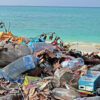
Plastics Treaty Talks End in ‘Abject Failure’ as US, Other Big Oil Allies Sabotage Progress
Negotiators in Geneva adjourned what was expected to be the final round of plastics treaty negotiations on Friday without reaching an agreement, a failure that environmentalists blamed on the Trump-led United States, Saudi Arabia, and other powerful nations that opposed any effort to curb plastic production—the primary driver of a worsening global pollution crisis.
Bending the Curve: Overhaul Global Food Systems to Avert Worsening Land Crisis
Current rates of land degradation pose a major environmental and socioeconomic threat, driving climate change, biodiversity loss, and social crises. Food production to feed more than 8 billion people is the dominant land use on Earth. Yet, this industrial-scale enterprise comes with a heavy environmental toll.
Are Negotiators Turning the Plastics Treaty into a Death Treaty?
The future plastics treaty is being sold as potentially an environmental breakthrough. But in its current form during this week’s negotiations, it contains a dangerous flaw that must be addressed before the final text is agreed — or it could undercut the world’s most widely ratified health treaty, the WHO Framework Convention on Tobacco Control (FCTC), and hand the tobacco industry the tools to expand its market under the banner of environmental action.
The Missing Link in Africa’s Climate Plans: Animal Health
One would expect that this year’s wetter than average rainy season in parts of Africa would be viewed with relief, not fear. Yet many areas in the region sits at a knife’s edge—still recovering from years of drought and a historic famine, too much rain leads to flooding and water-borne diseases. Both varieties of extreme weather place enormous stress on livestock systems across the region, on which communities rely for both sustenance and livelihoods.« Previous Page — Next Page »





The Week with IPS

NEXT STOP - SDGs
Tracking global progress towards a sustainable world
Tracking global progress towards a sustainable world
