
Saturday, November 28, 2026



News and Views from the Global South
Environment
Weapons of Mass Destruction
The discovery on Feb. 2 of the toxin ricin in the mailroom at the offices of the U.S. Senate majority leader has reawakened fears about the scope of bioterrorism.Ecobreves – NICARAGUA: Better Forestry Practices
The World Wildlife Fund is promoting voluntary certification programs in Nicaragua for lumber processors and furniture factories committed to sustainable development of forests.Ecobreves – VENEZUELA: Stolen Flamingoes
Hundreds of pink flamingo (Phoenicopterus ruber) chicks -- perhaps as many as 1,500 -- have been stolen during the past few weeks from Los Olivitos Marsh wildlife refuge, near the Caribbean and Maracaibo Lake, in northwest Venezuela. The authorities were tipped off by anonymous reports.Ecobreves – HONDURAS: Ban on Building Near Dams
The Honduran Environmental Prosecutor and the Secretariat of Natural Resources are to issue a new regulation on Feb. 13 that bans construction near the dams and reservoirs that supply water to the capital.ENVIRONMENT-LATAM: Pacific Corridor Soon More Than Just Words
Two years after first being announced, a four-nation initiative to protect and sustainably manage five Latin American archipelagos in the Pacific is finally coming to fruition.ENVIRONMENT-VENEZUELA: Bullfrog Go Home
Youngsters with slingshots have a new mission in the Andean highlands state of Mérida in western Venezuela: killing bullfrogs before they can cause serious damage to the local ecosystem./UPDATE/ INDIA: Findings on Cola Companies Expose Need for Food Standards
The affirmation by an Indian parliamentary committee of the findings by an environmental group - that beverage giants Coca -Cola and Pepsi Cola have been using pesticide-contaminated water - underscores the need for independent food standards in the country.AUSTRALIA: Gov’t Looks away from Payments to Indonesian Forces
One month after an unarmed protester against the construction of a Australian-owned mine in Indonesia was shot and killed, the Australian government is refusing to warn companies against paying Indonesian security forces for protection.AGRICULTURE-BRAZIL: Genetically Modified Law Advances
Parties on either side of the transgenics issue said they were satisfied with the legislative bill on biosafety that the Brazilian Chamber of Deputies approved early Thursday, after months of negotiations. But some disappointment lingers as the bill heads to the Senate.MALAYSIA: U.S. Groups Demand Sanctions for Illegal Timber Trade
A coalition of leading U.S. environmental groups called Thursday for the administration of President George W. Bush to impose trade sanctions against Malaysia unless it takes immediate steps to crack down on the illegal timber trade.ENVIRONMENT-SOUTH AFRICA: St Lucia Strives to Unite Conservation, Development
Game parks often have an aura of elitism. Those who frequent them generally need money to buy the equipment that allows the wilderness to be enjoyed in comfort - and a stable job so that they can take the time off to do so.AUSTRALIA: Graphic Smoking Warnings Due, but Not Soon Enough
By mid-2005 Australian smokers will be confronted with dramatic and graphic images of smoking-induced diseases - such as a cancerous lung, a gangrenous foot, mouth cancer and surgery for blindness - on every pack of cigarettes they buy.ENVIRONMENT-INDIA: Narmada Dam Movement Turns into Election Issue
India's longest-running people's movement, which has been fighting megadams coming up across the Narmada river for more than 20 years, is finally getting a political edge as the country prepares to vote in a new government.DEVELOPMENT-NEPAL: Water Woes Give Residents Sleepless Nights
People normally go to bed early during winter here in the Nepalese capital. But not Bimala Sharma, who lives in the Bhotebahal neighbourhood. On most nights, she remains awake. The 33-year-old mother of two children stays alert until midnight and, sometimes, into the wee hours of the morning.POLITICS: Greenbacks Set to Colour Biodiversity Meet
Control of the trade in genetically modified products and who should profit from the exploitation of natural resources are just two of the controversial items on the agenda of this month's global meeting on biodiversity.ENVIRONMENT: Bio-Pirates of the Antarctic
Antarctic bio-prospectors are acting like bio-pirates, plundering the continent's biological treasures before global measures to control its biodiversity can be put in place, experts warn in a United Nations University report released Monday.ASIA: More Culling Sought as Bird Flu – and Fear – Persist
In the wake of new outbreaks of bird flu in three Asian countries and reports of ''possible'' human-to-human transmission of the deadly virus, more chickens in the affected countries are destined for the chopping block.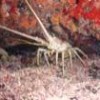
Death Looms Over Indian Divers
Thousands of Miskito Indians have been physically disabled as a result of the dangers of lobster diving. The Honduran government is considering new fishing regulations for this lucrative export.Pacific Corridor Soon More Than Just Words
Two years after being announced, an initiative is being finalized to protect five Latin American archipelagos in the Pacific.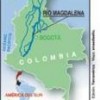
The Troubled Waters of the Magdalena
For the first time ever, there will be oil drilling along Colombia's nationally symbolic river, which is already suffering the effects of deforestation and contamination.
Can a Small Indigenous Community Be a Threat to a Nation?
The dispute between the Kichwa peoples of Sarayacu and the Ecuadorian government goes beyond petroleum exploitation: it challenges the notion of a united and homogeneous state.« Previous Page — Next Page »


Through our global network of local writers, we are continuing our award-winning coverage of global and local environmental challenges, with a focus on the people for whom the ecosphere matters in a direct way: rural dwellers who have little means to protect themselves against adverse conditions; communities that need to switch to sustainable development in order to survive; poor women and children, who are the most vulnerable in natural disasters. Sponsored by the United Nations Environment Program (UNEP), the United Nations Development Program (UNDP) and The World Bank (WB), IPS also maintains the award-winning Tierramérica, a specialised information service on environment and development.

The Week with IPS

Tracking global progress towards a sustainable world


