Languages
Sunday, October 11, 2026



News and Views from the Global South
Gender

How Women Volunteers Are Shaping India’s Water Future
“Daily squabbles at the lone water point in Bhubaneswar’s slums, where hundreds of households depended on this single non-potable water source, have now receded into the past,” says Aparna Khuntia, a member of a large cohort of water volunteers who have played an important enabling role in ensuring households in the eastern India city now have their own on-premises potable running tap water available all 24 hours.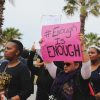
Femicide and Reproductive Violence Harm African Women, Girls
International African Women’s Day on July 31 recognizes the contribution of African women toward political, social, and economic freedom on the continent. But gender equality is still not a reality for most African women.
The Price Women Pay for Climate Change
Global warming, widely believed to be a universal crisis, will actually impact girls and women far more than boys and men. It is already known that we live in a patriarchal world, one in which men are afforded far greater opportunities for success while women generally hold less societal power and have access to fewer resources. This especially pertains to developing countries in which agriculture related work, usually delegated to females, depends on a variety of environmental factors and subsequently, significantly hurts their livelihoods.
Harris Is Best-Positioned to Lead the Way
Within the Democratic field, no potential candidate for president is better-positioned, at this juncture, to defeat Trump more skillfully and pointedly than Kamala Harris. She is writing a new chapter in American history that will chart a new national course impacting future generations.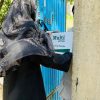
Left with Few Options: Afghan Women Turn to Risky Online Jobs Amid Taliban Ban
The Taliban's total ban on women’s employment in Afghanistan leaves few options for earning a living. Nevertheless, Afghan women are carving out niches in online business with sheer determination and perseverance.
Parliamentarians: Active Aging Enhanced By Using Artificial Intelligence
With projections that by 2060, over 1.2 billion people in Asia will be 65 or older, and by adopting technology, including artificial intelligence technologies, it is possible to plan for active and fulfilled aging, lawmakers attending a regional meeting on Aging Preparedness and Care Economy in Asia heard.
Zimbabwe Needs Awareness, Advanced Tech to Beat Cancer
Earlier this year, then 46-year-old Lydia Musundiwa, based in the Zimbabwean capital Harare, was diagnosed with colon cancer, which, already at an advanced stage, killed her in less than two months. Now, Landeni, her 49-year-old widower, has to contend with the burden of looking after their three children single-handedly.
Emergency Response: Building Resilient Education Systems in Haiti Amid Multiple Crises
Haiti is witnessing unprecedented levels of lawlessness and brutality from armed gangs, which target schools and hospitals. The groups have plunged the country into a crisis and apart from the gun violence accusations, disturbing reports of ruthless sexual violence, including gang rape. Millions of children are in harm's way; many are out of school and it is estimated that between 30 and 50 percent of armed group members are children.
How African Governments Can Lead the Way on Ending Child Marriage
Thandi*, a 14-year-old girl from Malawi, is both a child and a mother. After she and her siblings were orphaned, they were left in the care of their grandmother, who struggled to provide for them.
BRAZIL: ‘The Law Should Protect Women and Girls, Not Criminalise Them’
CIVICUS discusses abortion rights in Brazil with Guacira Oliveira, director of the Feminist Centre for Studies and Advice (CFEMEA). CFEMEA is an anti-racist feminist organisation that defends women’s rights, collective care and self-care and monitors developments in Brazil’s National Congress.

Silenced: Women’s Many Layered Struggles for Climate Justice in Nepal
A group aligned with the mayor of Chhayanath Rara Municipality in the Mugu district of Nepal’s Karnali Province physically attacked Aishwarya Malla for simply asking for a budgetary review of the local government. “As a deputy mayor, I have the right to know where the budget is allocated, but the mayor’s team attacked me,” Malla said. “They did it only because I’m a woman, but they forget I’m also an elected representative with a responsibility to serve people, especially women and marginalized sections of our society.”
Can Scientific Freedom Deliver Development for Africa?
Scientific research has led to social and economic gains worldwide, but the scientists who make it happen face significant challenges.
Decongesting Nigeria’s Prisons: All-Female Lawyers Take the Lead
Nyeche Uche, aged 60, got arrested by Nigeria's cybercrime fighter, the Economic and Financial Crimes Commission, for stealing. He spent 13 years and eight months in prison while awaiting trial. It took a church who went for prison outreach to refer his case to a legal firm for a pro-bono service over his case in March 2022.
From Trauma to Triumph: Kenyan Women’s Courageous Battle Against Female Genital Mutilation
In the heart of Empash village, a fragmented community nestled in Suswa, Narok County, some 62 miles northwest of Nairobi, Naomy Kolian's story unfolds like a gripping saga of pain, resilience, and unyielding determination. It was here, amidst the familiar surroundings of her home, that she was subjected to female genital mutilation (FGM), a brutal tradition that left her with physical and emotional scars. This hidden trauma would linger, haunting her well into adulthood.
HLPF 2024: Protecting Civic Space Critical for SDGs Success
Each year the international community comes together at the UN’s headquarters in New York to take stock of progress on sustainable development. This year’s High-Level Political Forum (HLPF) is being held between 8 and 18 July. Representatives from 36 countries, as per the UN HLPF website, will showcase their achievements on commitments outlined in the 2030 Agenda for Sustainable Development, presenting their Voluntary National Reviews (VNRs).
New Child Marriages, Cohabitation With a Child Law in Sierra Leone Lauded
“A person shall not contract marriage with a child,” Sierra Leone’s landmark Prohibition of Child Marriage Act 2024 says, outlawing, in no uncertain terms, child marriage, giving consent to and attempted child marriage, officiating, attending and promoting child marriage, and use of force or ill-treatment of a child.
AFGHANISTAN: ‘The Doha Meeting Has Raised Concerns the UN Is Indirectly Legitimising the Taliban’
CIVICUS discusses the exclusion of women from international talks on Afghanistan currently being held in Qatar with Sima Samar, former chairperson of the Afghan Independent Human Rights Commission (AIHRC). The AIHRC is the Afghan national institution devoted to the promotion, protection and monitoring of human rights. Its status is now a matter of contention: on returning to power, the Taliban decreed its dissolution, but the AIHRC refuses to abide by the decision due to the illegitimate nature of the Taliban regime.
Forced Deportations Leave Afghan Women in Dire Poverty
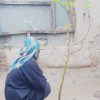
Sarai e Shamali camp in Kabul is a temporary refugee shelter. The camp receives on average 100 Afghans a day, forcibly returned from Pakistan and Iran where most had sought asylum when the Taliban took over power in Afghanistan three years ago.
Justice, not Impunity, for Sexually Assaulted Indigenous Girls in Peru
The main fear facing women leaders who have denounced the systematic rape of girls from the Awajún indigenous people in the northeastern Peruvian department of Amazonas is that, despite the media coverage and sanctions announced by the authorities, it will all come to nothing.
Namibia: LGBTQI+ Rights Victory amid Regression
In June, the Namibian High Court struck down two sections of the country’s Sexual Offences Act that criminalised consensual sexual relations between men, finding them unconstitutional. While hardly anyone has been convicted for decades, the fact that their relationships were criminalised forced gay men to live in fear, perpetuated stigma and denied them recognition as rights holders, enabling discrimination, harassment and abuse.
Women Take the Lead in Baloch Civil Resistance
A 30-year-old woman speaks before tens of thousands gathered in southern Pakistan. Men of all ages listen to her speech in almost reverential silence, many holding up her portrait and chanting her name: Mahrang Baloch.« Previous Page — Next Page »





Women make up half the world's population, but don't nearly share half of the world's wealth, well-being and opportunity. Two-thirds of the world poor are women, disproportionally exposing women to precarious living conditions, disease and unmitigated natural disasters. The media, meanwhile, remains a male-dominated sector in much of the world, contributing to women's voices lacking a crucial amplifier to put their concerns on political agendas and unleash the development potential of their ingenuity. Rather than then stereotypical victims of local and global forces, women are also organizer, innovators, conservators and community builders. These are some of their stories.

The Week with IPS

NEXT STOP - SDGs
Tracking global progress towards a sustainable world
Tracking global progress towards a sustainable world
