Languages
Wednesday, November 18, 2026



News and Views from the Global South
Gender
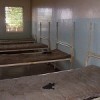
RIGHTS-KENYA: A Moment of Joy Turned to Ashes
Josephine, young and pregnant, had just felt her water break. She arrived at the doors of St. Mary's Hospital in Langata, Kenya ready to give birth to her first child. But the throbbing pain of delivery was just the start of her troubles.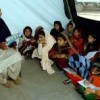
EDUCATION-PAKISTAN: Taliban Orders Girls Into Veils in Border Areas
Threatening letters sent by pro-Taliban rebels in a border area of the North West Frontier Province (NWFP) in Pakistan warning girls to wear a veil or keep away from school have had the desired results.RIGHTS-US: Congress Moves to Protect Native Women from Assaults
Acting in major part on a recent report by Amnesty International and Native American activists, the U.S. Congress is moving to provide additional funding to protect Native American women who suffer disproportionate levels of rape and other sexual abuse.LATIN AMERICA: Enterprising Women Network for Support and Success
Martha Elena González worked hard to make a success of her small family bakery, like many other women in Tegucigalpa, the capital of Honduras. But she only got the support she needed when she met another woman over the Internet, who was carrying out a project of her own thousands of kilometres to the south.CHILE: State Upholds Gender Discrimination Within Marriage
Discrimination against married women under the law providing for joint ownership of marital property led Sonia Arce Esparza to take the Chilean state to the Inter-American Commission on Human Rights (IACHR) in 2001. An amicable agreement reached in March this year has not been implemented.TURKEY: Islamic Party Wins in Landslide
Turkey's governing Justice and Development Party (AKP), with its roots in Islam but professing to be secular and conservative, won a landslide victory in general elections Sunday. What it does in coming days will determine how long it stays in office.POLITICS-MALI: Bracing for “Zero to Six” in Parliamentary Elections
A fear has been voiced that the number of women in Mali's parliament could be more than halved during legislative elections that wrapped up Sunday.PORTUGAL: Epidemic of Conscientious Objection to Performing Abortion
Pleading "conscientious objection," a significant proportion of doctors in Portugal are preventing women from making use of the law authorising abortions up to 10 weeks of gestation, which entered into force on Sunday.MIGRATION-GERMANY: New Hope Arises for Integration
A summit on integration of some 15 million migrants into German society has produced an ambitious new programme.DEVELOPMENT-TANZANIA: More Women Dying Preventable Deaths
"I began walking when I felt contractions. I delivered on the roadside five kilometres from the hospital," says the 22-year-old Veronica Joseph.
Q&A: Legislation Not Enough to Secure Women’s Rights
The women's movement over the last decade has revealed how legislative guarantees and policy reforms do not necessarily result in opening institutional spaces, and that participation does not necessarily translate into influence.IRAQ: Women Face Increased Violence in Kurdistan
Shawbo Rauf Ali, 19, clearly did not know that the picnic she was headed for would become a death trap. When she got there, her husband and several other men beat her to death on suspicion of extra-marital relations.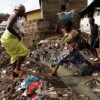
SIERRA LEONE: Caught Between Leaving the Kitchen and Putting Food on the Table
When Iyesha Josiah told people last year that after the August 2007 general elections, she would stand before them as a new member of parliament for Sierra Leone, they thought she was joking.CORRUPTION: World Bank Debars Indian Firms in Fraud Probe
The World Bank ended a several-year investigation Monday by debarring two Indian pharmaceutical companies, citing corrupt procurement practices in a controversial Bank-funded reproductive health programme.
DEVELOPMENT-WEST AFRICA: History Just Waiting to Repeat Itself
Two years ago, several West African states found themselves in the grip of severe food shortages - with some three million people affected in Niger alone. Children died, aid officials wrung their hands, people marched in Niger's capital, Niamey, to demand food...But were lessons learned - really learned - to ensure that the crisis does not recur?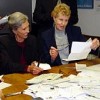
WORLD POPULATION DAY: U.S. Funding Continues to Stumble
As the United Nations commemorated World Population Day Wednesday, the United States remains the only major donor that continues to cut off funds to the only international agency focusing primarily on population: the U.N. Population Fund (UNFPA).
WORLD POPULATION DAY: Enlightened Men Prescribed for Maternal Health
What is a common factor in ensuring that women do not marry too young, do not have more children than they can cope with, do not die giving birth - and contract HIV in smaller numbers? Men.
RIGHTS-IRAN: Dark Days for Women
Judicial authorities in Iran have sentenced two women activists who participated in a peaceful protest against discriminatory laws in June 2006 to more than 30 months in jail and ten lashes.CHINA/JAPAN: Nanking the Film May Reopen Old Wounds
That ‘Nanking’, the powerful new United States documentary on the rape of the city of that name, has been approved for domestic screening in China reveals the fact that the ghosts of the gruesome events 70 years ago still haunt Sino-Japanese relations.
Q&A: Science Ignores AIDS in Women, Says Nobel Nominee
Science has yet to provide rigorous studies of how HIV/AIDS or the impacts of antiretroviral medications affect women's bodies in particular, Argentine activist Patricia Pérez, nominated for the 2007 Nobel Peace Prize, told Tierramérica.FINANCE: Development Banks Lag on Sexual Health – Report
Despite strong verbal commitments to reproductive and sexual health, the so-called multilateral development banks (MDBs) that lend to poor nations have spent relatively little money on such projects and, in some cases, have followed policies on the ground that in fact impeded women's empowerment and improved public health, a new study charges.« Previous Page — Next Page »


Women make up half the world's population, but don't nearly share half of the world's wealth, well-being and opportunity. Two-thirds of the world poor are women, disproportionally exposing women to precarious living conditions, disease and unmitigated natural disasters. The media, meanwhile, remains a male-dominated sector in much of the world, contributing to women's voices lacking a crucial amplifier to put their concerns on political agendas and unleash the development potential of their ingenuity. Rather than then stereotypical victims of local and global forces, women are also organizer, innovators, conservators and community builders. These are some of their stories.

The Week with IPS

NEXT STOP - SDGs
Tracking global progress towards a sustainable world
Tracking global progress towards a sustainable world
