Languages
Saturday, November 28, 2026



News and Views from the Global South
Global Governance
Economists, Activists Call for Major IMF Overhaul
Thirteen leading international economists and development specialists called here Tuesday for a major reform of the governing body of the International Monetary Fund (IMF) and the way it does business.U.N. Security Council, the Land Where Time Stands Still
At the U.N.'s annual weeklong cacophony of back-to-back speeches held to open its new General Assembly session, certain things can be counted on: the flouting of time limits, offensive rants (and subsequent walkouts by insulted parties) and, for longer than the last third of the world body's existence, the mention of Security Council reform.Tighter Budgets Threaten HIV/AIDS Gains
Although the world will miss the 2010 deadline for universal access to HIV treatment, some countries, notably in sub- Saharan Africa, have made real strides forward, three United Nations agencies reported Tuesday.
Q&A: “The Beer Industry Is a Leader in Self-Regulation”
Some two billion people around the world drink alcohol, a practice that has been around since time immemorial. Responsible drinking is only part of the picture; the WHO reports that the harmful use of alcohol affects tens of millions of people and kills two and a half million people every year, from causes ranging from illnesses to traffic accidents.
LATIN AMERICA: Peru Urges Regional Alliance Against Drug Trade
The nations of Latin America must ally themselves -- regardless of their roles as drug producers, consumers or transit routes -- in a full-force fight against drug trafficking, says Peru, which plans to lead the way.
COLOMBIA: Devastating Blow for FARC Rebels
The death of guerrilla commander Luis Suárez, aka Jorge Briceño or "Mono Jojoy", is a "devastating blow" for Colombia's FARC insurgents, military affairs analyst Ariel Ávila told IPS.
U.N. Faces Threat of Irrelevancy Amid Big Power Politics
The 192-member General Assembly began its 65th session under a perceived new threat: that the United Nations is being overshadowed by a more powerful body, the G20.DEVELOPMENT: Obama Lays Out Vision, Details Still Blurry
Following U.S. President Barack Obama's introduction of his long-awaited Global Development Policy at the United Nations on Wednesday, exactly one year after he told member states that he would return with a plan to make the Millennium Development Goals (MDGs) a reality, questions remain over how it will be executed.EAST TIMOR: For Fragile States, MDG Summit Outcome Off-target
Calls by fragile states for greater focus on addressing conflict and fragility have been largely ignored in the outcome document of the Millennium Development Goals (MDGs) Summit in New York, but critical donors are at least listening to the growing rumble of voices from developing nations.Rising Energy Demand Hits Water Scarcity ‘Choke Point’
Meeting the growing demand for energy in the U.S., even through sustainable means, could entail greater threats to the environment, new research shows.
$40 Billion for Women and Children, Millions of Lives at Stake
As a three-day anti-poverty talkfest drew to a close Wednesday, the United Nations shifted its focus from the poor and the hungry to two of the most vulnerable and disadvantaged groups in society: women and children.
Surfing the Web without Being Swept Away
City life and access to information technologies can open up a whole new arena of possibilities for young girls: better education, access to healthcare, new skills and a plethora of new ideas.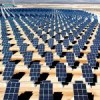
SPAIN: Renewable Energy a Remedy for Economic Crisis
One of the causes of Spain's deep economic crisis is the country's limited ability to export goods with high added value. But the pioneering renewable energy sector has the potential to fill that gap.CLIMATE CHANGE: Averting the Grimmest Scenarios
The catastrophic floods in Pakistan have added urgency to a high-level United Nations summit this week, with delegates from mostly South Asian nations convening Tuesday to call for increased technology transfer from richer countries and to compare strategies to avert the worst effects of climate change.DEATH PENALTY: Arab States Pushed Towards Abolition
Rights activists met in the Egyptian port city of Alexandria this week to discuss and adopt effective strategies to persuade Arab regimes to abolish the death penalty.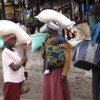
AFRICA: Women Traders Confronting Sexual Harassment at Borders
Harassment and sexual exploitation by border officials seeking bribes constitute the biggest obstacles for female informal cross-border traders in Africa, according to a United Nations Development Fund for Women (UNIFEM) research study.Biodiversity Talks Bog Down over Genetic Resources
While officials meeting in Montreal, Canada failed to finalise a key protocol to the Convention on Biological Diversity (CBD) Tuesday, biodiversity is scheduled to be at the top of Wednesday's agenda of the U.N. General Assembly in New York.
Climate Justice Treks from Cochabamba to Cancun
The "people's" climate agenda that the Bolivian government and civil society produced at an April conference in Cochabamba has made its way to the official United Nations negotiating table. But its inclusion in a binding climate treaty is unlikely, say activists.Price Spikes Raise Spectre of Another Food Crisis
While global food prices declined for the first half of this year, they have spiked in recent months, according to a new World Bank publication, and this volatility could in turn push up the local food prices of the world's poorest and most malnourished countries.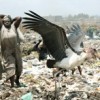
SOUTH AFRICA: Coal – A New Solution to Fuel Problems?
A new solution to power and fuel problems worldwide may be developed by using a resource long characterised as dirty and non-renewable: coal.
TRADE: South Africa Flexing its Muscles With Poor Neighbours
The beleaguered Southern African Customs Union (SACU) has to face up to serious challenges at its upcoming heads of state meeting in October, including the divergent interests of its member states and the lack of coordinated industrial policies in the union.« Previous Page — Next Page »


The Week with IPS

NEXT STOP - SDGs
Tracking global progress towards a sustainable world
