Languages
Friday, September 4, 2026



News and Views from the Global South
Africa

NDB Spotlight: The Lesotho Highlands Water Project – Who Benefits?
The Role of the New Development Bank in Monitoring Project Impacts on Communities The 15th BRICS Summit held in Johannesburg, South Africa this month has once again put the spotlight on the Lesotho Highlands Water Project (LHWP) as a shining example of multilateralism and the New Development Bank’s (NDB)commitment to financing sustainable development projects within BRICS countries and other developing countries. During the 2023 BRICS Summit, the New Development Bank and the Trans-Caledon Tunnel Authority (TCTA) signed a 3.2 billion Rands loan agreement for the implementation of Phase Two of the Lesotho Highlands Water Project (LHWP) in Lesotho. This funding complements contributions by other financiers, notably the African Development Bank (AfDB) and the Development Bank of Southern Africa (DBSA).
Toothless Global Financial Architecture Fuelling Africa’s Climate Crisis
As thousands convene in Kenya’s capital, Nairobi, for the Africa Climate Summit, the first time the African Union has summoned its leaders to solely discuss climate change under the theme ‘Driving Green Growth and Climate Finance Solutions for Africa and the World’, the backdrop is a country on the frontlines of a climate crisis.
Africa’s Potential: Leading Food System Transformation and Climate Resilience
When a continent with 65% of the world’s arable land struggles to feed its 1.4 billion people, we know something is wrong. The African and global food systems need a rethink. The urgent and pressing need to address a more productive, transparent, equitable food system, poverty and the far-reaching effects of climate change requires us to forge alliances among diverse stakeholders and sectors.
Invasive Species, Fast-Riding Horsemen Galloping the Biodiversity Apocalypse
Mango farmer Eufria Nyadome used to earn USD 60 from selling a 20-litre bucket of fresh mangoes and now can barely make USD 20 even though her mango trees are giving a good yield. She is throwing away buckets of rotten mangoes.
‘I am because you are’ – Climate Justice Through the Spirit of Ubuntu
The Africa Climate Summit 2023 is expected to start with renewed hope. In its 60+ years of post-independence history, Africa has contributed around 3% of Green House Emissions, accounts for approximately 2.6% of global trade, and less than 3% of the world’s GDP in 2021.
Africa Climate Summit: A Critical Opportunity for Collective Action on Climate Change
As an African, I have seen first-hand the devastating effects of climate change. I have met communities displaced by floods in Malawi, Mozambique and Zimbabwe. I have spoken to farmers from Northern Kenya who have lost their crops to drought. These experiences have made me acutely aware of how urgent it is to address the climate crisis.
What Niger’s Coup Says About US Security Assistance in the Sahel
In what has become an all too familiar phenomenon, U.S.-trained security personnel have been implicated in the July 26th coup that deposed Niger’s democratically elected president, Mohamed Bazoum.
Climate Justice Delayed, Is Justice Denied
The failure to tackle the climate change crisis is an injustice to the millions who have lost lives and livelihoods through floods, extreme weather, and wildfires, pointing to the urgency of adaptation and mitigation finance, experts say.
‘Investing’ Key to the Prevention of Military Coups – UN
The United Nations says increased investment in the Sahel region will assist in preventing military coups. This after military officers in Gabon announced a seizure of power from long-time President Ali Bongo Ondimba following the results of a disputed election in Gabon on Wednesday.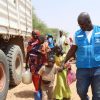
Want to Prevent Atrocities? Think Locally. Act Locally
When I first travelled to the Middle Belt of Nigeria, I listened to harrowing tales of murdered family members, physical injury, sexual violence, displacement, and hopelessness. In the years that have passed, these stories have only continued to stack up.
From Challenges to Solutions: Unleashing Africa’s Potential for Achieving SDGs
September 2023 marks the halfway point to the deadline for achieving the 2030 Agenda and the Sustainable Development Goals (SDGs). Yet, globally we are still far off-track, and Africa is only halfway towards achieving the SDGs, with nearly 600 million Africans still lacking access to electricity and 431 million people living in extreme poverty.
Digging Africa Deeper into Hunger
Annual Green Revolution Forum ignores widespread failure of its push for industrialized agriculture
As the adage goes, when you find yourself stuck in a hole, stop digging. As African leaders and their philanthropic and bilateral sponsors prepare for another glitzy African Green Revolution Forum, convening September 5-8 in Dar es Salaam, Tanzania, they are instead handing out new shovels to dig the continent deeper into a hunger crisis caused in part by their failing obsession with corporate-led industrialized agriculture.

Africa Climate Summit: Time for Tangible, Impactful, & Accountable Climate Action
African leaders, public officials, and private-sector executives will converge in Nairobi, September 4-6, at the Africa Climate Summit (ACS) – coinciding with the UN Africa Climate Week (ACW). In recent years, Africa has been the poster child for climate solutions, with carbon credit and offset projects gaining popularity among the public and private sectors alike.
Kenya’s Population Growth Decreases as More Women Embrace Modern Family Planning
According to a family planning brief, more than 370 million women in middle and low-income countries were finally embracing modern contraception to help curb unintended pregnancies. This statistic suggests that one in every three women from middle and low-income countries use contraceptives today.
World Bank Freezes Loans to Uganda Because of Anti-Gay Laws, but it Doesn’t Mean it’s Becoming a Human Rights Watchdog
Many people may be tempted to view the World Bank’s recent announcement that it will freeze new loans to Uganda because of the country’s vicious anti-LGBTIQ+ law as a harbinger of the Bank taking a more progressive approach to human rights issues.
International Systems Are Key for Ethiopia’s Security and Development Amidst Renewed War
Less than a year since warring parties in Ethiopia signed a peace agreement, the country is on the brink of renewed bloodshed following escalating hostilities between government forces and the Fano militia in the Amhara region.
Unlocking Africa’s Potential: Strengthening Partnerships for Sustainable Progress
At this year’s G7 summit in Japan, global leaders emphasized the importance of unity as the world navigates grave threats to multilateralism. The message was clear - trusted global platforms for dialogue and solutions are extremely crucial in current times.
Sexual Violence Survivors in Tigray Need Urgent Medical, Psychological and Economic Support
The war in Tigray, northern Ethiopian, led to sexual and gender-based violence against women, but when Hilina Berhanu Degefa, researcher, gender policy expert and co-founder of the Yellow Movement AAU, appeared before the UN Security Council Open Debate on Sexual Violence in Conflict last year, and catalogued the problems that the victims of the war faced, it didn’t shock the world.
Vaccine Equality Is as Vital for Livestock as for People
El Castellar - For 33-year-old mother-of-seven and poultry farmer Helena Kindole in Chanya village in Tanzania, one of the main barriers to growing her chicken business is a lack of access to health services. But not for herself or her family – for her animals.
Water Solutions for Women and Girls
 In the wake of harsh climate change and erratic weather conditions, women and girls are most affected. They often walk miles to collect fresh water which makes them vulnerable to rape and other crimes and infringement of their rights. This podcast is highlighting simple water solutions for women and girls.

Senegal: Democracy in the Balance?
Civic space is deteriorating in Senegal ahead of next February’s presidential election. Recent protests have been met with lethal violence and internet and social media restrictions. Senegal’s democracy will soon face a key test, and whether it passes will depend largely on whether civic space is respected.« Previous Page — Next Page » *#*

The Week with IPS

NEXT STOP - SDGs
Tracking global progress towards a sustainable world
Tracking global progress towards a sustainable world
