Languages
Wednesday, October 7, 2026



News and Views from the Global South
Aid
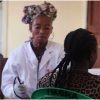
Women & Girls Up Front — the Humanitarian Response in Democratic Republic of Congo
Eleven-year-old “Anne” went to a health facility with her mother in the conflict-affected province of Ituri, in northeastern Democratic Republic of the Congo. At first, she could barely tell her story.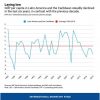
New Challenges to Growth in Latin America & the Caribbean
Economic activity in Latin America and the Caribbean stagnated in 2019, continuing with the weak growth momentum of the previous five years and adding more urgency and new challenges to reignite growth.
Bridging Africa’s Great Gender-Financing Divide
What stands between Soi Cate Chelang and her dream of turning her small pallet-making business into a major enterprise is capital.
Genuine Reform Culture Lacking in Zimbabwe
Zimbabwe needs urgent economic and political reforms to transform its economy amidst a growing national crisis, researchers say in a new study that urges swift policy changes and a sound financial framework to attract investment.
A tribute to a champion of the deprived
(The Daily Star) - I can think of few people who have done more for the world's deprived population than Fazle Hasan Abed. His contribution spans Bangladesh where BRAC, the organisation he founded in 1972, services close to 10 million of the country's underprivileged households. Through Abed's commitment to serve the world's deprived, BRAC has now extended its reach across the globe. It has invested its experience in rehabilitating the tsunami victims in Sri Lanka and the war-ravaged population in Afghanistan where two of its officials, working in high risk areas, were held hostage by the Taliban. BRAC is now reaching out on a large scale to serve the underprivileged populations in various regions of Africa. It has been actively engaged in Pakistan, Philippines, Tanzania, Uganda, South Sudan, Liberia and Sierra Leone. BRAC has even extended its reach across the Atlantic to Haiti.
Food Security Is Priority of Russian Sustainable Development Assistance
Food security holds a special place among Russia’s priorities in its efforts to achieve sustainable development globally. We believe that this task, which is reflected in Sustainable Development Goal 1, requires a comprehensive and multidimensional approach.
Madrid Talks End Without Agreement on How to Finance Recovery from Climate-Related Atrocities
Millions of people, particularly in Africa, who lose their property, homes, and even die due to climate-related disasters will have to wait at least another year for the international community to agree on a means of supporting them.
How to Recognise Nigeria’s Trafficked Kids
 What is human trafficking and child trafficking? IPS correspondent Tobore Ovuorie takes to the streets of Lagos to find out what Nigerians know about this crime. The answer was, surprisingly, very little. Ovuorie also speaks to experts about how to identify kids who have been trafficked and what ordinary citizens can do about it.

Haiti’s Cry for Help as Climate Change is Compared to an Act of Violence against the Island Nation
Haiti’s Environment Minister Joseph Jouthe has compared the climate emergency to a violent act and appealed to the international community for help to fight climate change.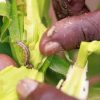
Coordinated Global Action Is the Best Way to Control the Fall Armyworm Pest
Dealing with transboundary pests is tricky at the best of times. Standards, practices, capacity levels and engagement vary across countries and regions, and responses are often ad hoc and ineffective. However, matters become even more complex when the pest in question flies over borders, threatens the food security and livelihoods of millions, and causes severe environmental and economic damage along the way. Fall Armyworm is such a pest.
Climate Financing Being Undermined by Rich Nations, NGOs Charge
The successful battle against climate change – which has triggered a rash of natural disasters, including floods, droughts and rising sea levels— will be predicated largely on the availability of financing.
Bangladesh Can Be Leprosy-Free by 2030 Says Leprosy Activist
Despite its efforts to eliminate leprosy as a public health threat, Bangladesh's leprosy burden ranks fourth-highest in the world. Four thousand new cases are detected annually – an average of 11 to 12 cases per day over the last 10 years.

Why Africa is Seeking Special Considerations on Climate Finance
As the 25th session of climate negotiations draw to an end this week, the African Group of Negotiators (AGN) have been calling on the world to consider the continent as a special case in terms of implementation of the Paris Agreement and climate finance.
The World had an ‘Unprecedented’ Number of People in Humanitarian Need this Year
The world had an unexpected number of people in crisis this year, which exceeded projected numbers the United Nations had expected, with climate change being one of the key crises that led to “needs to unprecedented levels” according to a new report.
Gains and Losses of Irregular Migration
While opening a newspaper or watching a TV program we are every day made aware of the plights of irregular migrants. Some recent examples among many – on 24 October, 39 Chinese nationals were found dead in a lorry trailer in Essex. They had apparently frozen to death within a refrigerator container with temperatures as low as -25C (-13F). This while tragedies occur almost daily on the Mediterranean Sea. On 26 November, a rescue vessel found a boat almost completely sunken. It had three dead bodies aboard. Fifty-five migrants were saved. Three of them were in a critical condition, and one died after reaching Melilla in Spain, where the migrants were brought in. Three children were among the survivors, though a further ten individuals were reported missing. Nowadays, such news items pass by almost imperceptibly. Every day, thousands of unfortunate human beings are trafficked all over the world to suffer underpaid, hazardous work, or prostitution.
Forced to Flee. Displaced with a Dream. Time for Action.
Genesis smiles and holds her hand up proudly to answer questions in class. She claps her hands in support of her classmates when they answer the teachers’ questions correctly. “I miss my cousins and aunts in Venezuela, she says.” Her smile fades and her lips tighten. She struggles to hold back her tears. “I can’t return. I want to stay here in my school, with my new friends.” Her smile returns, as she resolutely states: “I want to become a lawyer, so I can help solve problems.”
Government of Russia announces food aid for Kenya
The Government of Russia has announced a voluntary contribution of 1 million US Dollars to the World Food Programme of the United Nations for food assistance to Kenya. WFP will coordinate with the Kenyan authorities the distribution of food supplies to reach families most in need of assistance.
Africa’s Civil Society Calls for Action as COP25 Kicks off in Madrid
During the 25th round of climate change negotiations starting today in Madrid, Spain, African civil society organisations will call on governments from both developing and developed nations to play their promised roles in combating climate change.
When African Women are Financially Included, an Entire Continent Wins
When Rwandan-born, Senegalese-raised entrepreneur and businesswoman Kristine Ngiriye was 18 she had a brilliant idea that she wanted to translate into a business. But when she went to her local bank for a loan they told her to rather get married, because “ a woman must be married instead of venturing into business”, Ngiriye tells IPS.
Statistics and Stories – Time to Change the Refugee Narrative?
Statistics and stories. When aid agencies appeal for funding to tackle the latest refugee crisis and journalists do their reporting, then these are the two narratives most chosen -- one impersonal and the other upfront and individual. The sheer numbers can feel overwhelming. The UN refugee agency UNHCR says more than 70 million people are currently displaced by conflict, the most since the Second World War. Among them are nearly 26 million who have fled their countries (over half under the age of 18) and 3.5 million more are registered as asylum seekers.
More Austerity for Developing Countries: It’s Bad News, and It’s Avoidable
After years of austerity, a number of Eurozone countries are now considering expansionary fiscal policies. And in the UK, government spending is set to return to levels last seen in the 1970s. But austerity abounds elsewhere in the world, including in some of the poorest countries.« Previous Page — Next Page »





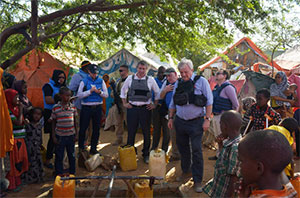 UN Emergency Relief Coordinator Visits Somalia. Credit: UN Photo/Tobin Jones
In recent years, conflicts have broken out across the world with no sign of slowing down or stopping. In times like this, millions of people globally are in dire need of humanitarian aid. Famine, warfare, natural disasters, and economic decline plague a host of nations, including Palestine, Sudan, Chad, Lebanon, and Haiti, to name a few. Humanitarian aid provides millions of people with critical services including healthcare, food, clean drinking water, psychosocial support, housing, and access to education. UN agencies such as the UNDP, UNICEF, the World Food Programme (WFP), UNHCR, UNRWA, and UNEP work with the UN Office for the Coordination of Humanitarian Aid (OCHA) and local organizations to come up with the best possible strategies to support affected communities. At the same time, humanitarian aid and those working on the frontlines are consistently threatened by both actors directly involved in conflict as well as those who are meant to contribute to the international humanitarian regime at large. The near-collapse of United States international aid structures in 2025, including the termination of 83% of USAID’s 6,300 global initiatives, has left millions of people without access to vital humanitarian assistance. 98 million people in 2025, only 65% of people targeted for humanitarian assistance, received the help they needed. In contrast, 123 million people received some form of humanitarian assistance in 2024, and OCHA’s 2026 Global Humanitarian Overview estimates that 239 million people are in need of assistance in 2026. IPS is well-positioned to discuss current initiatives to provide aid and relief through in-depth reporting and opinion content.

The Week with IPS

NEXT STOP - SDGs
Tracking global progress towards a sustainable world
Tracking global progress towards a sustainable world
