Languages
Saturday, November 28, 2026



News and Views from the Global South
Asia-Pacific
BURMA: EU Takes Some Firm, But Small, Steps
Import of gemstones, timber and metal from Burma have been banned by the European Union in protest against the violent suppression of protests by Buddhist monks in Rangoon.POLITICS: UN, ASEAN Lock Hands on Burma
Launching his latest diplomatic mission in South-east Asia, the United Nations special envoy for Burma has thrown his weight behind a view that governments in this region have to play a lead role in defusing the crisis in the military-ruled country.AUSTRALIA: Activists Slam Neo-Colonialism in the Pacific
Activists attending an international solidarity forum in Melbourne have been speaking out against what they regard as neo-colonial practices in the South Pacific region.AFGHANISTAN: Battling the Taliban With Soviet-Era Weapons
In the dry Afghan heat a small band of hopeful soldiers, vying to become elite commandos, swiftly falls into line as drill instructor Lt. Abdul Hussein barks orders during a physical fitness exam.HEALTH-ASIA: Nutrition Is Key to AIDS Treatment Say Experts
People living with HIV and AIDS in two corners of Asia may benefit from a campaign that seeks to broaden public policy responses to the syndrome. Central to this new drive is to make nutrition programmes a part of treatment, say experts.CHINA: Communist Congress to Reaffirm One-Party Rule
The Chinese Communist Party may have toyed with the idea of experimenting with Nordic-style democratic socialism but next week’s key 17th party congress is expected to steer the country firmly towards a future of one-party rule.ENERGY-MALAYSIA: Subsidising Gas to Private Power – State Utility Pays
A staggering 27.6 billion ringgit (8.2 billion US dollars); that's the amount the Malaysian public has incurred through gas subsidies given out over the years to private power producers by national petroleum corporation Petronas.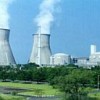
INDIA/US: Nuke Deal on Pause
Stiff opposition from coalition partners in the ruling United Progressive Alliance, as well as hesitation within its own ranks, has compelled India’s Congress party to put on hold negotiations for completing the controversial nuclear cooperation deal with the United States.GERMANY: Doubts Rise over Afghan Intervention
German non-governmental organisations operating in Afghanistan are urging the government to reduce its military focus in favour of development and civil cooperation.
ENVIRONMENT-CHINA: Three Gorges Dam May Displace Millions More
As a trickle of environmental problems emerging from the Three Gorges dam area steadily grows into a deluge, Chinese authorities have begun weighing plans to relocate several million people to avert an ecological catastrophe.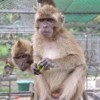
MAURITIUS: ‘‘Exporting Monkeys for Research Helps Conservation’’
Some 10,000 macaque monkeys, considered a nuisance in Mauritius, were exported last year to the United States, the United Kingdom and Japan to be used in medical research.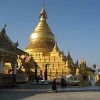
RIGHTS-BURMA: Buddha's Peace Prevailed in Mandalay
When Burma’s military regime mounted an attack on unarmed Buddhist monks and civilian protestors in Rangoon, the residents of this ancient city feared similar treatment.SRI LANKA: Women Battered Despite Domestic Violence Law
Sri Lankan women battered by their spouses have been seeking refuge in a law enacted two years ago to tackle domestic violence, but activists say they need far closer protection.MEDIA-PAKISTAN: New Musharraf Term Less Liberal?
Journalists are divided on whether attacks on the media will cease, against the backdrop of what looks like another five-year presidential term for Gen Pervez Musharraf.GREECE: Justice Sought for Abducted Pakistanis
On Sep. 16, when the latest election was being held, Tzaved Aslam's younger brother was arrested in Pakistan for the second time in a year. Formally he is again accused of trafficking but the real reason, Aslam told IPS, "is another attempt to force me to pull out from the case of the Pakistanis kidnap that took place in Athens in July 2005."RIGHTS-SRI LANKA: Arbour’s Visit a Guided Tour – Critics
United Nations Human Rights Commissioner Louise Arbour’s five-day tour of this strife-torn country is already circumscribed by the fact that she will not be allowed to visit areas in the Jaffna peninsula controlled by the Liberation Tigers of Tamil Eelam (LTTE).HEALTH-AFGHANISTAN: US Army Medics Win Some Hearts and Minds
Colourfully-clad Afghan villagers with dirty, barefoot children sit outside a makeshift coalition clinic in a tiny village in Kandahar province, impatiently awaiting their turn to see the medics.ECONOMY-FIJI: 'Smart Sanctions Worse Than Bomb Scares'
Fiji's interim government, already hit by Western smart sanctions, sees as motivated an Australian advisory hinting at impending violence in the capital and at possible 'bomb attacks'.
DEVELOPMENT-PAKISTAN: Monster Banner Against Poverty Coming Up
When Shareefan Bibi, who works as a labourer at a brick kiln in this town 70 km from Lahore city, heard of the monster banner against poverty being put together she wanted to sign on it.INDIA: Tribals Get an Education – Through Their Children
"I’d like to be a teacher to help educate our people," says Neeta Kantha, a 14-year-old student at the Gram Vikas (Village Development) high school here for adivasi (tribal) children. "I too want to be a teacher,’’ chimes in her classmate Vijayalakshmi.Q&A: ''We Plan to Handle and Control the Army''
Of the 60 years that Pakistan has existed, a total of 40 have been under the direct or indirect rule of the army. Each round of martial law has left the army with even greater power and influence. The current cycle - that began with army chief Pervez Musharraf seizing power in 1999 - has been no different.« Previous Page — Next Page »


The Week with IPS

NEXT STOP - SDGs
Tracking global progress towards a sustainable world
