Languages
Wednesday, October 28, 2026



News and Views from the Global South
Biodiversity
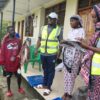
From Nets to Numbers: How Kenya’s Small-Scale Fishers Use Data to Save Their Ocean
As the afternoon sun casts a golden glow over Mukwiro village on Wasini Island on Kenya’s Indian Ocean South Coast, Mwanasiti Mwalola, 26 and Mzungu Mohammed Dhossa, 45, stand at the community fish landing site, carefully receiving baskets of freshly caught fish from returning fishers. A weighing scale hangs before them, with a pen and notebook in their hands; the two have one duty: to collect data on the stock being delivered by artisanal fishers.
Our Ocean Conference: After Mombasa – Will Africa and the World Make Ocean Promises Real?
« James Alix Michel warns that without real finance and precaution, ocean pledges risk remaining only on paper. » Now that the lights have dimmed in Mombasa and the delegations have gone home, a simple but necessary question remains: did the first Our Ocean Conference on African soil truly move the world from promises to protection? The conference was indeed the first held in Africa, under the theme “Our Ocean, Our Heritage, Our Future,” with a stated focus on culture, communities, livelihoods, marine protection, climate resilience and sustainable blue economies.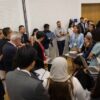
‘We Came for Action, Not Promises’: Developing Nations Voice Frustration as Bonn Talks Conclude
The United Nations June Climate Meetings (SB64) ended in Bonn with sharp disagreements between developed and developing countries over climate finance, adaptation support and emissions reductions, leaving negotiators with significant unresolved issues ahead of the COP31 climate summit in Antalya, Türkiye.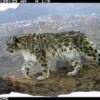
In Sikkim, Snow Leopards and Communities Share the High Mountains
The tea arrives before the conversation starts. Jayanta Mukhia sets two cups on the wooden table and pulls up a chair across from the couple who arrived that afternoon with trekking poles and rucksacks. They have come to walk the Goechala trail into the heart of Khangchendzonga National Park in India. They will leave in two days. Before they go, she has something to tell them.
From Victoria to Mombasa: Will Africa’s Ocean Voice Be Heard?
Tomorrow, Africa hosts the Our Ocean Conference on its own shores for the first time, in Mombasa. This is more than a diplomatic milestone. It is a test of whether we, as Africans, are prepared to safeguard our ocean as a shared heritage and a pillar of our future prosperity.
Central Asia Bets on a New Water–Land Pact to Survive Environmental Degradation
As ministers, diplomats and development officials assembled in Samarkand Congress Centre for a ceremonial family photograph, the mood carried unusual symbolism. Behind the smiles and formalities stood a region confronting a harder reality: rivers are shrinking, soils are tiring, temperatures are rising, and the old ways of managing land and water are no longer working.
Billions Lost as Secret Financial Networks Fuel Forest Destruction in Brazil and Cameroon
A new report has found that billions of dollars linked to illegal deforestation are flowing through global supply chains, with secrecy around land ownership and company records helping timber, soy, and beef products enter international markets unchecked.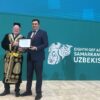
Make Last Sprint Towards 2030 a ‘Turning Point’ for Nature Finance, Eighth GEF Assembly Told
"While pressures on public budgets are growing and geopolitical tensions rising, it can be tempting to see environmental finance as optional. It is not,” GEF Interim CEO and Chair Claude Gascon told the closing plenary of the Eighth GEF Assembly in Samarkand, Uzbekistan, today.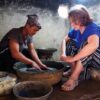
As Global Demand for Gold Grows, UN Mercury Head Warns Toxic Fumes Put Women in a Motherhood Dilemma
Ask any woman miner in the Katoro goldfield in Tanzania’s northern Geita region, and she will tell you that she touches toxic mercury with her bare hands when extracting gold from crushed ore.
Tanzanians Seek Stronger GEF Support to Cushion Vulnerable Communities
In the opulent conference halls of Samarkand, far from the drought-hit fields of East Africa, Tanzanian delegates have warned that unless global climate finance is directed to rural communities, environmental destruction will only accelerate, deepening the vulnerability of those least responsible for the crisis.
At GEF’s Eighth Assembly, Uzbekistan Signals New Role as Donor
In a significant policy shift symbolising rising environmental ambition, Uzbekistan on Thursday announced that it will become a donor of international environmental funding to the Global Environment Facility (GEF), as the Eighth GEF Assembly opened in the historic city of Samarkand.
From War Zones to Global Environment Talks, Communities Seek Faster Green Finance
For three decades, Iffat Rachid Edriss walked Lebanon's coastline with a clear purpose: protecting the sea she loves.
GEF Pushes Innovation, Blended Finance Ahead of the Eighth Assembly
As the Global Environment Facility (GEF) steps into the starting blocks of its next financial cycle, the Interim CEO Claude Gascon reflects on what he termed a “moment of transition and delivery".
Filipino Indigenous Leader Takes Ancient Wisdom to the Global Stage
Every year, when dark clouds gather above the dense forests of the Philippines, 56-year-old Mini Baeyens, of the Aplay Kankanaey tribe, vigilantly watches the sky.
GEF Approves Adaptation Funds Strengthening Resilience in Vulnerable Countries
Bangladesh, the Democratic Republic of Congo, Guinea-Bissau, Niue, Senegal, Solomon Islands, Sudan, and Togo will receive over USD 67 million in new funding to help strengthen resilience.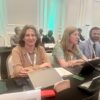
As Three COPs Converge, Leaders at GEF Council Call for Unified Global Action
On day 2 of the Global Environment Facility’s 71st Council Meeting, which focused on process and procedure, a clear message emerged: global environmental governance cannot afford fragmentation.
Delegates Push for Greater Accountability, Community Inclusion as GEF Crosses Major Environmental Milestones
While the Global Environment Facility (GEF) said its eighth replenishment cycle (GEF-8) was about to exceed environmental targets for biodiversity protection, marine conservation, ecosystem restoration, and reducing greenhouse gas emissions, governments and civil society groups called for stronger safeguards to ensure that local communities, Indigenous Peoples, and smaller implementing agencies are not left behind as funding mechanisms become more complex.
GEF Council Welcomes New Green Pledges, Highlights Old Access Barriers
The 71st Council meeting of the Global Environment Facility (GEF) opened today amid a sharp divide, with donor nations urging broader and increased funding commitments, while developing countries called for more equitable and accessible pathways to environmental finance.
India’s LED Story Highlights How Blended Finance Powers Environmental Action
Ahead of the Eighth Global Environment Facility (GEF) Assembly in Samarkand, governments and development institutions are grappling with a familiar challenge: How to finance environmental action at the scale required to meet rapidly growing needs.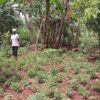
From Seed to Canopy: How a GEF-Funded Smallholder Project is Restoring the Environment, Building Livelihoods
As 52-year-old Alice Onyango walks through her farm in Siaya county, Kenya, you can tell she is proud of her trees, as some tower over her, providing her with shade, while others seem ready to provide her with fruit for the market.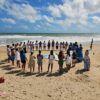
Brazil’s Indigenous Communities Receive $9M in GEF Funding to Protect Lands, Traditions Under Threat
On Brazil’s northeastern coast, the Indigenous community, Tremembé da Barra do Mundaú, lives on a preserved stretch of land shaped by mangroves, dunes, and deserted beaches. The group of around 160 families is led by women and depends on the 3,500-hectare territory for fishing and subsistence farming.« Previous Page — Next Page »





The world's diverse flora and fauna are facing urgent threats due to pollution, climate change, commercialization of nature and other forms of harmful human intervention. The widespread loss of biodiversity is worrying not simply because of the disappearance of exotic species which deserve saving, but because tampering with nature's equilibrium means that the loss of one form of life is a threat to another. IPS taps into its own diverse network of correspondents around the world to report on continuing and emerging dangers to nature's riches - and the struggle to protect them.

The Week with IPS

NEXT STOP - SDGs
Tracking global progress towards a sustainable world
Tracking global progress towards a sustainable world
