Languages
Saturday, November 14, 2026



News and Views from the Global South
Biodiversity

San Fight Land Grab in Namibian Park
Pensioner Makena Makanga slowly savours a piece of manketti fruit unaware that the tree it came from will soon be chopped down and mulched along with the rest of her forest to make way for a massive agribusiness project.
Ecosystem in Peril after Gulf Oil Spill
With engineers giving a best-case scenario of "weeks" before the catastrophic oil leak in the Gulf of Mexico is sealed, some scientists are warning that the region's ecosystem could face major long-term damage.BIODIVERSITY: Oil Spill Will Devastate the North Sea Warn Experts
If an oil spill similar to that in the Gulf of Mexico were to happen in the North Sea, it would devastate the Wattenmeer, one of the most fragile and important biodiversity hotspots in northern Europe.
BIODIVERSITY: Developers Stalk the Carpathians
When the Slovakian government moved to open Tatra National Park to developers, last month, it did not consult experts or the public. Other protected sites across Central and Eastern Europe are said to be equally vulnerable.
BIODIVERSITY: Prized Bluefin Tuna Adrift in a Sea of Conflicting Interests
Mounting international criticism against Japan’s Atlantic bluefin tuna imports linked closely to the extinction of the species has turned the spotlight, once again, on the lack of a viable means of protecting most of the world’s fast- depleting natural resources.
BIODIVERSITY: We Can Live Without Oil, But Not Without Flora and Fauna
The policies and deals that contributed to the massive oil spill under way in the Gulf of Mexico are also jeopardising the Earth's vital biological infrastructure, according to the Global Biodiversity Outlook 3, published Monday.
BIODIVERSITY: Odds Stacked Against San Harvesters of Devil’s Claw
Nguni Diyasen gently loosens the earth with a hoe and then widens the hole with her bare hands. Fifty centimetres down she uncovers the light brown root of a devil's claw. Used to treat arthritis and rheumatism, the plant also constitutes her only income.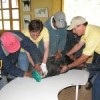
ECUADOR: Saving the Condor – A Mission Possible
Indiscriminate hunting and ecological changes in the Andean highlands have dramatically reduced the condor population in Ecuador. Experts say there are likely no more than 50 of these large birds of prey in this country. A century ago their numbers were in the thousands.MALI: Farmers Restore Forests
Villagers in the interior delta of the Niger River, already experiencing the harsh impacts of climate change, have a good understanding of the need to restore forests decimated by drought. Where forest cover has been rehabilitated, it is already reshaping the surrounding environment - and economy.ENVIRONMENT: Small Islands Urge Action at UN Oceans Meet
Faced with rising sea levels, dying coral reefs and decreasing fish stocks, small island developing states (SIDS) are feeling the effects of ocean decline, and they want wealthier countries to do more to ensure the survival of the world’s seas and other waterways.
Q&A: World’s Fastest Cat on Its Ninth Life
Over the last century, 90 percent of the cheetah population in the world has been killed, and it is now the most endangered animal in Africa.
ENVIRONMENT: Oil Spill Gives Urgency to UN Oceans Meet
The disastrous oil spill in the Gulf of Mexico has given increased urgency to the fifth Global Oceans Conference taking place here at the United Nations Educational, Scientific and Cultural Organisation (UNESCO).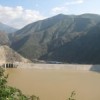
PERU: Murky Waters Cut Through Andes
The Olmos megaproject, which will divert water from the Huancabamba River through a trans-Andean tunnel to a desert area along Peru's northern coast, is being touted as a catalyst for development, but disputes are heating up over land, crops and water.COSTA RICA: Holiday Homes, Hotels Endangering Ecotourism
The boom in construction projects on the Pacific coast of Costa Rica is threatening biodiversity and compromising the future of the country's widely promoted ecological tourism, says a study by Costa Rican and U.S. scientists.2010 – International Year of Biodiversity Loss?
In 2002, world leaders committed to reduce the rate of global biodiversity loss by 2010, but the date has come and gone for these commitments to be fulfilled.
Citizen Scientists on the Trail of Disappearing Bees
It's the world's worst-kept secret: bees are in a state of crisis. One of nature's most benign pollinators is dying in record numbers, much to the alarm of beekeepers and gardeners.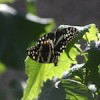
KENYA: Farming Butterflies Puts Food on the Table
For 10 years, Roselyne Shikami, sold boiled eggs at the bus station just outside the densely wooded Kakamega Forest in western Kenya, near the border with Uganda. Now she is selling butterflies.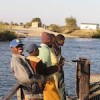
SOUTHERN AFRICA: Sharing the Okavango
Each January, a giant pulse of water from heavy summer rains over the south of Angola enters the Okavango River system and begins a five-month journey through Namibia to a richly biodiverse swamp in Botswana's Kalahari desert. The river is a rarity, scarcely disturbed by human development along its 1,100 kilometre length: shaping its future is the delicate task of the Okavango River Basin Commission.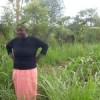
EAST AFRICA: Green Agriculture Growing in Leaps and Bounds
Organic agriculture using natural farming methods rather than fertilisers and pesticides has made significant gains in African countries – not just among farmers but among consumers too.Crunch Time for Ecuador’s Biological Treasure Trove
These are decisive days for the Yasuní National Park, one of the world's most biodiverse areas, because of the danger that its wealth of underground oil poses to this unique and fragile ecosystem in Ecuador's Amazon jungle region.
ENVIRONMENT: Giant Bacteria Colonise the Oceans
A mat the size of Uruguay composed of giant bacteria has been discovered in the mid-depths of the ocean off the coasts of Chile and Peru, report scientists who are working on a series of studies of the ocean's smallest life forms.« Previous Page — Next Page »


The world's diverse flora and fauna are facing urgent threats due to pollution, climate change, commercialization of nature and other forms of harmful human intervention. The widespread loss of biodiversity is worrying not simply because of the disappearance of exotic species which deserve saving, but because tampering with nature's equilibrium means that the loss of one form of life is a threat to another. IPS taps into its own diverse network of correspondents around the world to report on continuing and emerging dangers to nature's riches - and the struggle to protect them.

The Week with IPS

NEXT STOP - SDGs
Tracking global progress towards a sustainable world
Tracking global progress towards a sustainable world
