Languages
Friday, October 9, 2026



News and Views from the Global South
Crime & Justice
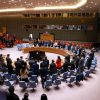
UN Warns of an Imminent Collapse in Haiti
As gang violence in Haiti continues to target civilians and critical infrastructures, humanitarian organizations and the Haitian National Police (HNP) have found it increasingly difficult to manage the growing scale of needs. The United Nations (UN) and its partners fear that Haiti will approach a nationwide collapse due to numerous shortfalls in funding, a widespread lack of essential resources, and rampant insecurity.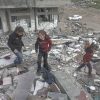
Children at the Center
Creativity and innovation are essential to finding extraordinary solutions to abnormal problems. Now more than ever we must continue finding creative solutions to protect the world’s most vulnerable children from the excruciating pain of war, dispossession and destruction of their last hope: a quality education. The current humanitarian and development funding levels are falling. However, with creativity we can prevent further deterioration and instead turn towards an upward direction.
Essential Supplies Run Critically Low in Gaza While Displacement Soars
Since the deterioration of the ceasefire agreement between Israel and Hamas in March, the Israeli Defense Forces (IDF) have issued numerous evacuation orders and bombardments on the Gaza Strip, resulting in exacerbated rates of displacement and a significant amount of civilian casualties. Roughly two million Palestinians within the enclave struggle to stay alive amid repeated blockages of humanitarian aid.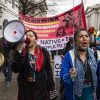
Standing Firm: Civil Society at the Forefront of the Climate Resistance
The recent US court case that ordered three Greenpeace organisations to pay damages of over US$660 million to an oil and gas company was a stunning blow against civil society’s efforts to stop runaway climate change and environmental degradation. The verdict, following a trial independent witnesses assessed to be grossly unfair, came in reaction to Indigenous-led anti-pipeline protests. It’s vital for any prospects of tackling the climate crisis that Greenpeace’s appeal succeeds, because without civil society pressure, there’s simply no hope of governments and corporations taking the action required.
Turkey’s Democratic Uprising: A Generation Takes a Stand
In the heart of Istanbul, a remarkable transformation is underway. What began as student protests following the politically motivated arrest of Mayor Ekrem İmamoğlu has evolved into Turkey’s most significant pro-democracy mobilisation in years. The streets that once pulsed with the routine of daily life now throb with the energy of millions demanding a return to democratic governance.
Netanyahu Refuses Calls to End the Gaza War as Palestinians Struggle to Survive
Since the breakdown of the ceasefire agreement between Israel and Hamas, the Gaza Strip has been subjected to significant bombardment and blockages of humanitarian aid. With aid deliveries having been halted from entering the Gaza Strip for over one month, roughly two million Palestinians have been relying on dwindling resources, facing heightened risks of malnutrition and disease.
Rohingya Refugees Are Not Safe in Bangladesh or Myanmar
On April 4, it was confirmed by Myanmar authorities that there were approximately 180,000 Rohingya refugees residing in Bangladesh that are eligible to return. Following numerous cuts in funding as a result of President Donald Trump’s reduction of USAID, as well as the increasingly volatile humanitarian crisis in Myanmar, it is uncertain if repatriation will best serve Rohingya refugee communities.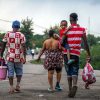
The Current Plight of Haitians: Interview with a Mason in the Dominican Republic
On March 18, the first plane with deportees from the US landed in Cap-Haïtien. Of the 46 passengers, 25 were convicted felons. Taking effect on April 24 the US Department of Homeland Security will revoke the temporary legal status of more than 210,000 Haitians. They had by the Biden administration been granted a safe haven, but all these Haitians are now expected to be deported back to a country immersed in a humanitarian crisis.
Digital Democracy at a Crossroads. Key Takeaways from RigthsCon2025
In an increasingly digital world, democratic practices are evolving to encompass new forms of participation. Digital democracy – the use of technology to enhance civic action, movement building and access to information – has become a crucial force in shaping local and global political landscapes.
‘Energy Transfer’s Lawsuit Against Greenpeace Is an Attempt to Drain Our Resources and Silence Dissent’
CIVICUS speaks with Daniel Simons, Senior Legal Counsel Strategic Defence for Greenpeace International, about the lawsuit brought by an oil and gas company against Greenpeace and its broader implications for civil society. Greenpeace is a global network of environmental organisations campaigning on issues such as climate change, disarmament, forests, organic farming and peace.
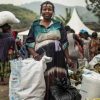
DR Congo: Millions Facing Destitution as Violence Forces People to Flee Multiple Times
The Norwegian Refugee Council (NRC) warns that 100,000s of people in eastern Democratic Republic of Congo (DRC) have been pushed into desperate conditions by the escalation of violent conflict in 2025.
Hunger and Heightened Insecurity Pushes Sudan to the Brink of Collapse
After nearly two years of extended warfare and protracted crises as a result of the Sudanese Civil War, Sudan remains the world’s biggest internal displacement crisis. According to the United Nations High Commissioner for Refugees (UNHCR), heightened insecurity, widespread famine, economic strife, and climate shocks threaten the lives of approximately 25.6 million people.
Forest Guards Risking Their Lives To Keep Malawi’s Forests Standing
In Malawi, being a forest guard isn’t a glamorous, sought-after job. And it has often been quiet, enjoying almost no publicity – until recently amid the worsening crashing down of the country’s forests, which is making the occupation increasingly perilous. In 2024 alone, a total of eight forest rangers got killed in separate incidents while in the line of duty, according to the Ministry of Natural Resources, which is responsible for the management of 88 forest reserves and 11 plantations across the country.
‘Student Protests Have Sparked Solidarity, Empathy and a Renewed Belief in Collective Action’
CIVICUS discusses recent protests in Serbia with Alma Mustajbašić, researcher at Civic Initiatives, a Serbian civil society organisation that advocates for democracy, human rights and citizen engagement.

How to Turn the Tide: Resisting the Global Assault on Gender Rights
This year’s session of the United Nations Commission on the Status of Women (CSW69), the world’s leading forum for advancing gender equality, confronted unprecedented challenges. With Saudi Arabia in the chair and anti-rights voices growing increasingly influential in the forum, the struggle to hold onto international commitments on gender equality intensified dramatically. On 8 March, International Women’s Day mobilisations also took on added urgency, with demonstrations from Istanbul to Buenos Aires focusing on resisting the multiple manifestations of gender rights regression being felt in communities worldwide.
African Diaspora Exhibition Showcases Transformative Solidarity and the Legacy of Slavery
Ahead of the International Day of Remembrance of the Victims of Slavery and the Transatlantic Slave Trade on March 24, the United Nations (UN) unveiled a new exhibition examining the themes of equality and transformative solidarity in the context of the African diaspora.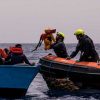
A Test of Humanity: Migrants’ Rights in a World Turning Inward
The United Nations Refugee Agency faces devastating cuts that may eliminate 5,000 to 6,000 jobs, with potentially catastrophic consequences for millions of people fleeing war, repression, hunger and climate disasters. This 75-year-old institution, established to help Europeans displaced by the Second World War, now confronts an unprecedented financial crisis, primarily due to the US foreign aid freeze – and the timing couldn’t be worse.
The Toll of Mental Health in Conflict Areas
Over the past two decades, conversations surrounding mental wellness have entered the cultural consciousness in the western world. Despite this, these topics receive far less media exposure in the Global South, particularly in areas that have been entrenched in warfare, where the onset of harmful mental health conditions are prevalent.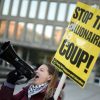
Civil Society: The Last Line of Defence in a World of Cascading Crises
In a world of overlapping crises, from brutal conflicts and democratic regression to climate breakdown and astronomic levels of economic inequality, one vital force stands as a shield and solution: civil society. This is the sobering but ultimately hopeful message of CIVICUS’s 14th annual State of Civil Society Report, which provides a wide-ranging civil society perspective on the state of the world as it stands in early 2025.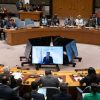
Israel Ends Ceasefire in Gaza as Strikes Resume
On March 18, the Israeli Defense Forces (IDF) launched an attack on the Gaza Strip, effectively terminating the Israel-Hamas ceasefire agreement. This comes after a pause in ceasefire operations when Israel continued its blockade on humanitarian aid in the enclave and demanded the release of additional hostages.
Why “Pro-Israel, Pro-Peace” Advocates Cling to Genocide Denial
Israel’s renewed assault on Gaza comes several months after both Amnesty International and Human Rights Watch issued reports concluding without equivocation that Israel was engaged in genocide. But very few members of Congress dare to acknowledge that reality, while their silence and denials scream out complicity.« Previous Page — Next Page »





Issues of crime and justice are as pertinent to development as they have ever been. The struggle for abolition of the death penalty is not over, and penal reform is desperately needed in many countries around the world. From violence to religious persecution, white-collar crime to police brutality, we keep you updated with reports from around the world. IPS correspondents focus on the causes of crime, attempts to prevent it, and the process of bringing those who commit crimes to justice. We also cover the campaign against capital punishment, and for legal and prison reforms that would give prisoners the right to life, and also to justice and decency.

The Week with IPS

NEXT STOP - SDGs
Tracking global progress towards a sustainable world
Tracking global progress towards a sustainable world
