Languages
Monday, November 9, 2026



News and Views from the Global South
Featured
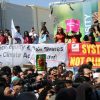
COP27: Historic Loss and Damage Fund Takes COP27 to the Edge
After a tense impasse and many hours of negotiations, almost 200 countries struck a deal to set up a loss and damage fund to assist nations worst hit by climate change – a demand considered not-negotiable by the developing countries.
COP27: The Pacific Region is Under Threat: We Must Act Now to Mobilise Climate Finance
The Pacific Island Countries (PICs) – 14 small island developing nations in the Pacific Ocean - comprise one of the most exposed and vulnerable regions to climate change and natural calamities. The region did not cause this climate crisis; the crisis stemmed from heavy carbon emissions by developed countries. Yet paradoxically, the countries in the region are also the least resourced to adapt to climate change.
Peruvian Women Still Denied Their Right to Abortion
No woman in Peru should have to die, have her physical or mental health affected, be treated as a criminal or have an unwanted pregnancy because she does not have access to abortion, said Dr. Rocío Gutiérrez, an obstetrician who is the deputy director of the Manuela Ramos Movement, a non-governmental feminist center that works for gender rights in this South American country.
Food Systems Crucial for Pacific Islands at COP27
Food is everything to the culture and identity of the Pacific island countries. Climate change impacts of rising sea levels and higher temperatures threaten islanders’ food security, which is largely dependent on fisheries and subsistence agriculture. Almost 70 percent of islanders rely on agriculture for their livelihood.
G20 Summit, a Missed Opportunity to Tackle Global Cost of Living Crisis
G20 leaders met in Indonesia in the midst of multiple crises, with 85 percent of the world population expected to face austerity measures and severe budget cuts next year that will impact the most vulnerable compounded by an insufficient response to the Covid-19 pandemic, with only 38 percent of relief funds going to social protection in global South countries.
Act on Loss and Damage Finance Now, UN Sec Gen Tells COP27 Negotiators
UN Secretary-General António Guterres told the negotiators at COP27 that time for talking about loss, and damage finance is over.
COP27: Africa’s Agri-food Systems Losses Ignored in Global Climate Negotiations
At a time when sustainable farming approaches such as agroecology have been removed from the text at ongoing global climate negotiation (COP27) taking place in Sharm El Sheikh, Egypt, activists are urging African governments to explore new steps to integrate agriculture into the UN climate agreement.
COP27: Climate Change’s Dire Consequences in the World’s Most Water-Scarce Region
The Middle East and North Africa are the world’s most water-scarce regions – with 11 of the 17 water-stressed countries on the globe. According to UNICEF, nine out of 10 children live in areas with high or very high-water stress, resulting in significant consequences for their health, cognitive development, and future livelihoods.
The Innovation Imperative for Small States
Small states take the path less travelled. They face challenges unfamiliar to many: scarce resources, smaller economies and the real impact of climate change.
Will the Global Energy Crisis Accelerate the Energy Transition? The Big Question at COP27
COP27 is unlikely to produce new commitments to reduce emissions of climate-changing gases, but the global energy crisis will eventually prompt more action by countries to move away from fossil fuels. That is the positive feeling that many observers are taking away from the annual climate summit being held in Egypt.
COP27: Climate Change Exacerbates Vicious Loop of Human Rights Inequity
Climate change is worsening injustice globally, and the poor and vulnerable communities are the most affected. It is time the world acted on fulfilling human rights and building a liveable planet, says Yamide Dagnet, director for Climate Justice at Open Society Foundations.
Launch of EBRD Climate Adaptation Action Plan at COP27
As it moves to increase its climate adaptation finance, the European Bank for Reconstruction and Development (EBRD) has launched the EBRD Climate Adaptation Action Plan (CAAP) at COP27, the global climate summit taking place in Sharm el-Sheikh, Egypt.
As the World’s Population Hits 8 Billion People, UN Calls for Solidarity in Advancing Sustainable Development for All
The global population is projected to reach 8 billion on 15 November 2022, signalling major improvements in public health that have lowered the risk of dying and increased life expectancy. But the moment is also a clarion call for humanity to look beyond the numbers and meet its shared responsibility to protect people and the planet, starting with the most vulnerable.
Climate Change is No ‘Future Scenario’ for Pacific Island Nations; Climate Change is ‘Real’
Pacific island countries are highly vulnerable to climate change, and several have disappeared – and more could sink under the sea owing to a rise in water levels.
Three Truths to Address Sexual Exploitation, Abuse & Harassment in the UN
The U.S. Government has recently published 'Engagement Principles' on Protection from Sexual Exploitation Abuse & Sexual Harassment within International Organizations', and while any involvement from Member States is to be encouraged, these principles do not address the fundamental need for either deterrence or for accountability.
COP27: Cyclone Nearly Washed Away All My Dreams, says Vanuatu Youth Activist
The only thing Taren Chilia remembers about Cyclone Pam was that it flattened his school in Vanuatu, washing away books, equipment, and – well, almost his dreams too.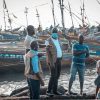
Why COP27 Matters to Sierra Leone
Sierra Leone is among the 10 percent of countries in the world that are most vulnerable to the adverse consequences of climate change, and presently one of the least able to cope with the effects.
COP27: Climate Justice: Where do the Religiously Marginalised Fit in?
Climate change reductionism – assuming the causes and the redress for those suffering the worst impacts of extreme weather lies with climate change alone - undermines the rights of religiously marginalised persons, but broadening whose rights are being advocated for in climate change can offer redress.
Indigenous Peoples Have Their Own Agenda at COP27, Demand Direct Financing
Indigenous peoples are no longer content just to attend as observers and to be seen as victims of the impacts of the current development model, at the 27th Conference of the Parties (COP27) on Climate Change. That is why they came to the summit in Egypt with an agenda of their own, including the demand that their communities directly receive funding for climate action.
Academics’ Strike Puts Spotlight on Nigeria’s Brain Drain
For eight months, the halls of Nigeria's universities and colleges remained silent – the result of a lecturers' strike brought upon by a wage and conditions of service dispute.
A World of 8 Billion: Population Growth Will Continue But it’s Slowing Down
Global population is about to reach 8 billion, a mere 11 years after it reached 7 billion. The official Day of 8 Billion is observed by the UN November 15, though it's hard to pinpoint exactly when we pass the actual milestone.« Previous Page — Next Page »





The Week with IPS

NEXT STOP - SDGs
Tracking global progress towards a sustainable world
Tracking global progress towards a sustainable world
