Languages
Monday, November 9, 2026



News and Views from the Global South
Featured

Putting Nature on a Quantifiable, Ambitious Path to Recovery
Up to 1 million species are threatened with extinction – many within decades – this includes nearly one-third of reef-forming corals, shark relatives, and marine mammals. Half of agricultural expansion occurs at the expense of forests, and 85% of wetlands that were present at the beginning of the 18th century had been lost by the year 2000, with the loss of wetlands considered to be happening three times faster, in percentage terms, than forest loss.
Vaccine Refusal, Floods Impact Polio Drive in Pakistan
Vaccine refusal is impacting the eradication of polio in Pakistan. Pakistan has vaccinated about 35 million children during its door-to-door campaign, but about 500,000 remained unvaccinated due to refusal by their parents, Jawad Khan Polio officer in Khyber Pakhtunkhwa, recorded in 2022 so far.
UN Assessed Contributions Needed to Generate Core Funding for Climate Loss & Damage
For decades, there have been non-conclusive deliberations regarding how the international community could support poor and vulnerable countries in their efforts to cope with and recover from the havoc wreaked on their territory by the ill-effects of global warming such as severe droughts, floods, storms, or rising sea levels.
Digital Human Rights Need to be Enshrined in Law
The upcoming consultation on the Global Digital Compact presents a unique opportunity to ensure that human rights in the digital world are protected in international common standards.
UN Deploys Unarmed Weapon in Humanitarian & Peacekeeping Operations
A sign outside the United Nations reads, perhaps half-seriously, that it is a “No Drone Zone”—and “launching, landing or operating Unmanned or Remote-Controlled aircraft in this area is prohibited”. The “warning” comes even as Unmanned Aerial Vehicles (UAVs) – or drones – are some of the new weapons of war deployed mostly by the US, and more recently, by Iran, Ukraine and Russia in ongoing military conflicts.
Push Forward – Act Now to End Violence Against Women and Girls
Five years ago, the global #MeToo movement brought new urgency and visibility to the extent of violence against women and girls. Millions of survivors came forward to share their experience. They forced the world to recognise a reality that shames every one of us. Their courage and voice led to a powerful collective activism and a sea-change in awareness.
LGBTI in Iraq: Defending Identity in the Face of Harassment, Stigma and Death
It's mostly people in their twenties sitting on a terrace in the shade of a beautiful grove of trees: black clothes, piercings, tattoos and some purple streaks in their hair.
Cattle Turn Into New Currency Amid Inflation in Zimbabwe
In 2007 as inflation walloped the Zimbabwean currency, rendering it valueless, then 54-year-old Langton Musaigwa of Mataruse village west of Zimbabwe in Mberengwa district switched to cattle as his currency.
The World Cup of Opportunity
The sun is shining, and the temperature sits at an idyllic 28 degrees Celsius. The Uber driver taking me to work is from Pakistan and devastated about the recent loss to England in the T20 Cricket World Cup final in Australia.
For this Caribbean Island, Ozone Protection is a Year-Round Mission
For countries across the globe, September 16th is a day to reflect on progress in protecting the ozone layer. The United Nations designated day for the preservation of the ozone layer is marked by speeches, and educational and social media campaigns.
Asia: the Power of Connections and their Consequences
In our recent book, “The Connections World: The Future of Asia”, published by Cambridge University Press in October 2022, we argue that mutually beneficial links between dynastic business houses and political elites have been important drivers behind Asia’s extraordinary renaissance. Yet, these close ties now threaten future economic growth.
Pandemic Aggravated Violence against Women in Latin America
Violence against women has failed to decline in the Latin American region after the sharp rise recorded during the COVID-19 pandemic, while preventing the causes of such violence remains a major challenge.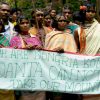
Lessons from Niyamgiri Movement’s Success to Protect an Indigenous Sacred Mountain
The Dongria Kondhs say they are the descendants of Niramraja, a mythical god-king who is believed to have created the Niyamgiri range of hills in Odisha, an eastern Indian state on the Bay of Bengal.
Ending Violence against Women: from Rhetoric to Action
Violence against women is a global crisis, prevalent in every community and society around the world. Globally, estimates published by WHO indicate that about 1 in 3 (30%) of women worldwide have been subjected to either physical and/or sexual intimate partner violence or non-partner sexual violence in their lifetime. Yet, there is limited coordination and insufficient funding to truly address the scale of the issue.
Ugandan Women Tackle Domestic Violence with Green Solutions
Constance Okollet Achom, a Ugandan woman from Tororo, a rural village located in Eastern Uganda, has helped several dozens of her peers affected by domestic violence to address the issue by equipping victims with skillsets to manufacture eco-friendly biofuels from agro-forestry waste.
Pan-African Approach Needed to Tackle Food Insecurity Arising from Conflict and Climate Shocks
Upheaval on the global stage, the war in Ukraine, conflict in the Horn of Africa, severe climatic shocks, high international inflation, increasing global commodity prices, high prices of agricultural inputs and low intra-continental trade are fuelling food insecurity across Africa.
COP27: Landmark Win on Loss and Damage Fund
COP 27 delivered on what was the ‘litmus test’ for its success – consensus on the establishment of a fund on loss and damage. What seemed impossible was made possible, largely due to the unity of the G77 and China and the role of the Egyptian Presidency. Also important were efforts by civil society groups who put pressure on the United States, the main blocker to having the fund.
Arbitrary Arrests in El Salvador Hit the LGBTI Community
Police raids against gang members in El Salvador, under a state of emergency in which some civil rights have been suspended, have also affected members of the LGBTI community, and everything points to arrests motivated by hatred of their sexual identity.
A Looming Debt Crisis is Threatening Global Health Security. It is time to Drop the Debt
In this moment of profound challenge in international relations, it was understandable that the conclusion of the G20 meeting left leaders feeling relieved that the meeting took place without a breakdown. Leaders were justifiably proud too of important steps forward they made including the launch of the new pandemics fund.
US to Fight Sexual Abuse in International Organizations
The United States, which recently laid down a set of guidelines to monitor sexual exploitation and abuse (SEA) by US citizens in international organizations, including the United Nations and its agencies worldwide, has implicitly accused the UN of faltering on a high-profile case last month.
Loss and Damage Fund Saves COP27 from the Abyss
They were on the brink of shipwreck and did not leave happy, but did feel satisfied that they got the best they could. The countries of the global South achieved something decisive at COP27: the creation of a special fund to address the damage and loss caused by climate change in the most vulnerable nations.« Previous Page — Next Page »





The Week with IPS

NEXT STOP - SDGs
Tracking global progress towards a sustainable world
Tracking global progress towards a sustainable world
