Languages
Thursday, November 26, 2026



News and Views from the Global South
Global
Success of “The Pill” Overshadowed by Family Planning Gaps
The birth control pill, currently used by an estimated 100 million women worldwide, commemorated its 50th anniversary last week - but remains controversial in some quarters.ARGENTINA: Adding More Coal to the Fire
Bucking recommendations to build up renewable energy sources, Argentina is forging ahead with a plan that will increase its dependence on coal, regarded as the most polluting fossil fuel.Human Rights Council Candidates Run Unopposed
When the U.N. General Assembly meets later this week to elect 14 new members for the Geneva-based Human Rights Council (HRC), the election results will be highly predictable for one reason: all candidates are running unopposed as nominees of their respective geographical regions.
BIODIVERSITY: We Can Live Without Oil, But Not Without Flora and Fauna
The policies and deals that contributed to the massive oil spill under way in the Gulf of Mexico are also jeopardising the Earth's vital biological infrastructure, according to the Global Biodiversity Outlook 3, published Monday.Nuclear Power Nearly as Dangerous as Weapons, Critics Say
The quest for nuclear disarmament is likely to fail if governments and corporations continue to promote nuclear technologies as a solution to the world's energy needs, say independent experts.ENVIRONMENT: Small Islands Urge Action at UN Oceans Meet
Faced with rising sea levels, dying coral reefs and decreasing fish stocks, small island developing states (SIDS) are feeling the effects of ocean decline, and they want wealthier countries to do more to ensure the survival of the world’s seas and other waterways.
Q&A: World’s Fastest Cat on Its Ninth Life
Over the last century, 90 percent of the cheetah population in the world has been killed, and it is now the most endangered animal in Africa.
Q&A: “I Feel Duty-Bound to Push for a Nuclear-Free World”
Emerging from a U.N. conference addressing the role that the world's mayors can play on nuclear issues, Hiroshima's Mayor Tadatoshi Akiba continues to call for a rapid end to nuclear weapons.LATIN AMERICA: Foreign Investment on the Rise, But Still “Low-Quality”
Foreign direct investment (FDI) flows to Latin America and the Caribbean, which fell 42 percent in 2009 due to the global economic crisis, will grow 40 to 50 percent this year, says a new report released by ECLAC Wednesday.Will Mideast Tug-Of-War Wreck Anti-Nuke Meet?
When the last review conference on the Nuclear Non-Proliferation Treaty (NPT) ended inconclusively - after four long weeks of protracted negotiations - the meeting was described as having accomplished "very little" with no substantive agreement.MIDEAST: Hope Amidst Grim Prospects for Peace
Proximity peace talks between Israelis and Palestinians, due to begin shortly after months of delay due to Israel’s continued settlement building on occupied Palestinian land, appear to have little chance of making a breakthrough.
ENVIRONMENT: Oil Spill Gives Urgency to UN Oceans Meet
The disastrous oil spill in the Gulf of Mexico has given increased urgency to the fifth Global Oceans Conference taking place here at the United Nations Educational, Scientific and Cultural Organisation (UNESCO).
Israel, Iran Targeted at Nuke Non-Proliferation Meet
A month-long Review Conference on the Nuclear Non-Proliferation Treaty (NPT) began Monday with a predictable target: Israel.NPT Meet Draws Thousands of Anti-Nukes Activists
Japanese women in kimonos carrying signs urging "No More Hiroshima", an 80-year-old grandmother, and 18 mayors from around the world were just some of the almost 15,000 people who marched in New York City Sunday to rally for the abolition of nuclear weapons.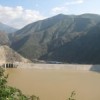
PERU: Murky Waters Cut Through Andes
The Olmos megaproject, which will divert water from the Huancabamba River through a trans-Andean tunnel to a desert area along Peru's northern coast, is being touted as a catalyst for development, but disputes are heating up over land, crops and water.Indigenous Forum Closes on Note of Hope, and Caution
Friday marked the last day of the two-week Ninth Session of the United Nations Permanent Forum on Indigenous Issues, with attendees expressing optimism but also concern about the ongoing encroachment of industrial and development projects into native lands.Security Council Faulted for Gender Hypocrisy
Ten years after a United Nations Security Council resolution aimed at re-evaluating women's roles in U.N.-brokered peacekeeping efforts, women are still underrepresented in the peacekeeping process.Poor Communities Struggle to Attend U.N. Indigenous Meet
"You will never suffer from fatal diseases like cancer and ulcer if you drink mare's milk," says Anna Postnikova, who is currently attending a major U.N. meeting on indigenous issues.
Q&A: Nuclear Non-Proliferation Regime Has Triple Standards
The abolition of nuclear weapons - and a halt to the spread of the deadly armaments - will be a major talking point at the month-long Review Conference on the Nuclear Non-Proliferation Treaty (NPT), scheduled to take place at the United Nations beginning next week.U.N. Chief Decries Killing of Journalists
Last year, at least 77 journalists were killed simply for doing their jobs. So far this year, the number is 17 - and rising - with three of them killed last Saturday.2010 – International Year of Biodiversity Loss?
In 2002, world leaders committed to reduce the rate of global biodiversity loss by 2010, but the date has come and gone for these commitments to be fulfilled.« Previous Page — Next Page »


The Week with IPS

NEXT STOP - SDGs
Tracking global progress towards a sustainable world
