Languages
Wednesday, November 11, 2026



News and Views from the Global South
Migration & Refugees

Kerry Brings Promise of 45 Million Dollars for Kenya’s Massive Refugee Camp
At a meeting with Kenyan President Uhuru Kenyatta, U.S. Secretary of State John Kerry this week pledged an extra 45 million dollars for the U.N. which is sheltering over a half million refugees fleeing civil unrest, terrorism and violence in Somalia and South Sudan.
Urban Slums a Death Trap for Poor Children
It’s called the urban survival gap – fuelled by the growing inequality between rich and poor in both developing and developed countries – and it literally determines whether millions of infants will live or die before their fifth birthday.
Families in Quake-Hit Nepal Desperate to Get on With Their Lives
Just over a week after a dreadful 7.8 magnitude earthquake rocked Nepal, displaced families are gradually – but cautiously – resuming their normal lives, though most are still badly shaken by the disaster and the proceeding aftershocks that devastated the country.Popular Nigerian Writer Headlines at Blockbuster World Voices Fest
Prize-winning writer Chimamanda Ngozi Adichie is hoping to break down some stereotypes at the upcoming World Voices Festival sponsored by the PEN America free expression group.
Opinion: The West and Its Self-Assumed Right to Intervene
The ‘West’ is a concept that flourished during the Cold War. Then it was West against East in the form of the Soviet empire. The East was evil against which all democratic countries – read West – were called on to fight.Anti-Foreigner Discrimination ‘Fostered in South African Schools’
A practice of denying admission to South African public schools of children without visas or whose parents are refugees from other African countries is creating a foundation for the current rash of xenophobia, critics of the practice say.Backlash Follows South Africa’s Xenophobic Attacks on Africans
Shocking images of South Africans beating foreign-born residents residing in Durban, Johannesburg and other parts stunned the continent which had taken a message of brotherhood from former president Nelson Mandela.In One Terrible Weekend, ISIL Beheads Christians and Hundreds Drown in a ‘Mass Grave’
As Europeans debated their policies towards the leaky flotillas steaming out of Libya, carrying most to a certain death at sea, members of ISIL were streaming a video of captured Ethiopian Christians on a beach.
U.N. Helpless as Crises Rage in 10 Critical Hot Spots
The United Nations is fighting a losing battle against a rash of political and humanitarian crises in 10 of the world’s critical “hot spots.”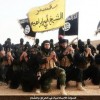
Foreign Fighter Recruits: Why the U.S. Fares Better than Others
More than 25,000 fighters seeking to wage “jihad” or an Islamic holy war have left home to join terrorist networks abroad.
U.N. Struggles to Cope with New Humanitarian Crisis in Yemen
The United Nations, which is providing humanitarian aid to over 50 million refugees worldwide, is struggling to cope with a new crisis in hand: death and destruction in Yemen.Sexual Violence in Conflict “The Contemporary Moral Issue” Says United Nations
Impunity for perpetrators of sexual violence in war must end, said Zainab Hawa Bangura, the Special representative of the United Nations Secretary-General on sexual violence in conflict, who presented to the U.N. Security Council the Secretary-General's 2015 report on the issue on April 15.
EU Inaction Accused of Costing Lives in the Mediterranean
“The unbearable number of lives lost at sea will only grow if the European Union does not act now to ensure search-and-rescue operations across the Mediterranean,” Human Rights Watch warned Apr. 15.Kenya Orders Somali Refugee Camp Sheltering Thousands to Move
The United Nations, which is sheltering over 600,000 refugees from war-torn Somalia, has been ordered by Kenyan authorities to relocate the camp in three months.U.N. Secretary-General Calls for International Unity on Yemen and Syria
"Political negotiations, not military intervention, are the solution" said United Nations Secretary-General, Ban Ki-moon, on the rapidly deteriorating conflict situation in Yemen and recent developments in Syria at the Yarmouk refugee camp.At Least 18 Already Killed in Yarmouk Attacks: Amnesty International
At least 18 civilians have already been killed in the attack on the Syrian refugee camp of Yarmouk, according to Amnesty International.
Impunity Fuels Abuse in Immigrant Detention Centres in Spain
“They mistreat you, they don’t respect you. I’ve seen beatings, suffering, and you can’t defend yourself. When you’re locked in there it’s as if you were in another world,” Salif Sy, a Senegalese man who in 2011 spent eight days in an immigrant detention centre (CIE) in Madrid, told IPS.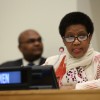
CSW 59 Wraps up as Delegates Look Towards 2016
The Commission on the Status of Women, one of the biggest events on the calendar for United Nations headquarters in New York City, is over for another year.Guards at Australian-Managed Refugee Detention Centre on Nauru Traded Marijuana for Sexual Favours
Guards at a Nauru refugee detention centre managed by the Australian government traded marijuana for sexual favours from detainees, according to the latest damning report into the Australia’s beleaguered refugee policy.
UNDP Unveils Blueprint for Swift, Unified Crisis Response
The United Nations Development Programme (UNDP) has announced a new 10-year global plan to support country efforts to reduce the risk of disasters that kill people and destroy livelihoods. The plan was unveiled at the Third World Conference on Disaster Risk Reduction which ended on Mar. 18.
In Thrall to the Mall Crawl and Urban Sprawl
There's little argument about the basic facts: It's ugly (think strip malls and big box stores). It's not very convenient (hours spent behind the wheel to get to work). And it wreaks havoc on the natural environment (lost farmland and compromised watersheds).« Previous Page — Next Page »





Human migration is a matter of global concern. Flows of migrants and refugees influence and change the social, economic and political dynamics of their destinations -- and the places they have left behind. IPS covers crucial issues such as migrant and refugee rights, irregular or undocumented migration, human trafficking, remittances, displaced persons and forced labour. And the positive: in many cases migration creates a new dialogue among civilisations. Migrants themselves become the building blocks of bridges connecting different cultures.

The Week with IPS

NEXT STOP - SDGs
Tracking global progress towards a sustainable world
Tracking global progress towards a sustainable world
